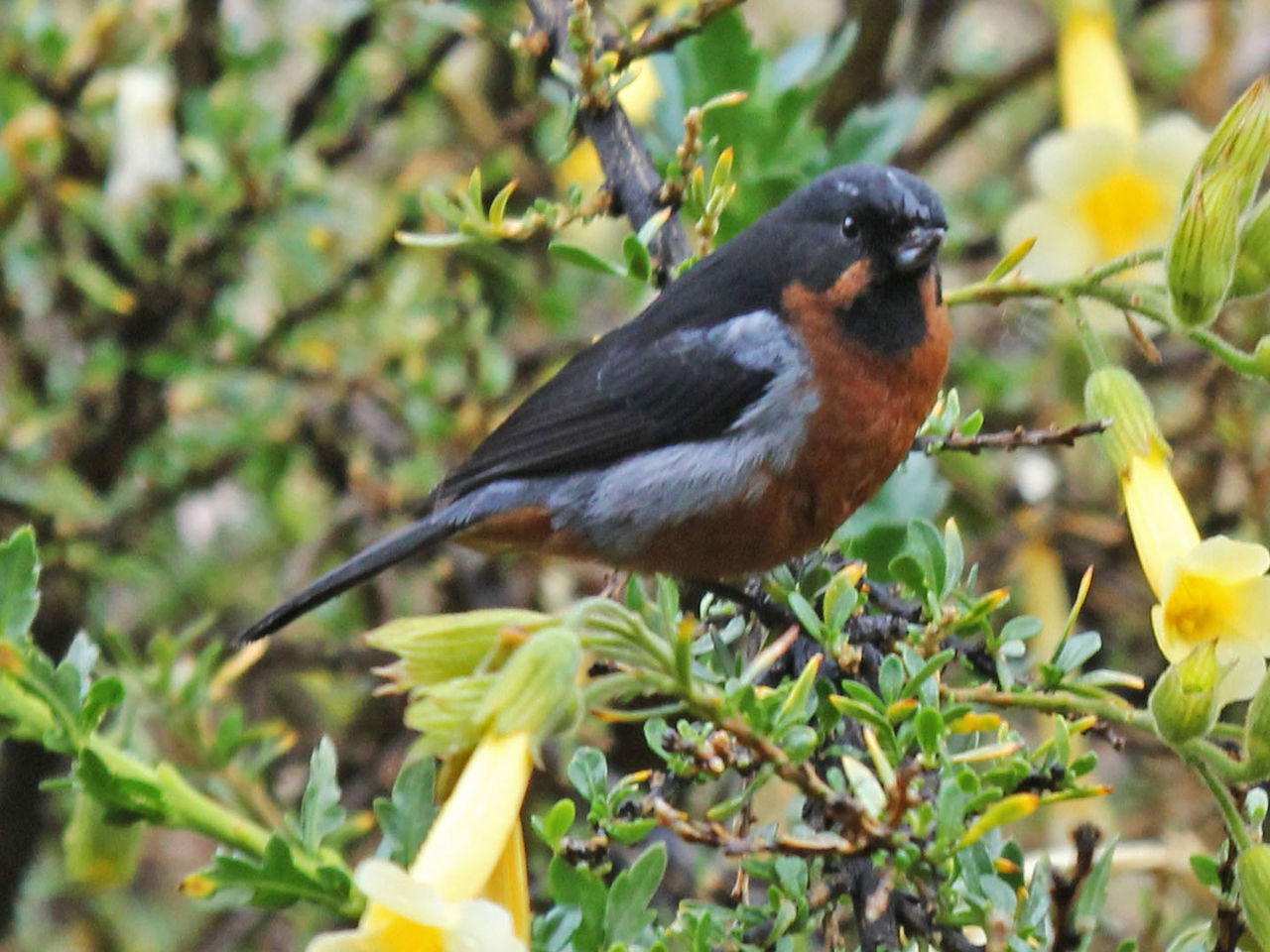
The black-throated brilliant is a species of hummingbird in tribe Heliantheini of subfamily Lesbiinae. It lives in Brazil, Colombia, Ecuador and Peru.
Region
Western and central Amazon Basin
Typical Environment
Occurs in lowland rainforest of Brazil (western Amazon), southeastern Colombia, eastern Ecuador, and northern and eastern Peru. It favors terra firme and seasonally flooded (várzea) forest, forest borders, and tall secondary growth. Often forages along rivers, light gaps, and semi-open understory where flowering plants are abundant. It is generally uncommon to fairly common but can be locally frequent where favorite nectar sources bloom.
Altitude Range
0–1200 m
Climate Zone
Tropical
Ease of Keeping
Beginner friendly: 1/5
This large Amazonian hummingbird is named for the male’s velvety black throat, which contrasts with its glittering green body. It frequents the shaded understory and edges of humid lowland forest and often visits Heliconia and other tubular flowers. Like many hummingbirds, it may enter short bouts of torpor to conserve energy during cool or resource-poor periods.


Temperament
solitary and territorial
Flight Pattern
strong flier with agile hovering and short rapid wingbeats
Social Behavior
Typically forages alone and males defend rich flower patches against other hummingbirds. Courtship involves rapid chases and display flights. The nest is a small cup of plant fibers and moss bound with spider silk, usually placed on a sheltered horizontal support; clutch size is two eggs.
Migratory Pattern
Resident
Song Description
Vocalizations are thin, high-pitched chips and tseet notes, delivered singly or in short series while foraging. Males may add buzzy trills during aggressive encounters around nectar sources.
Plumage
Iridescent green to bronzy-green upperparts with a contrasting, velvety black throat in males; underparts otherwise glittering green. Females show a grayish to whitish throat with green spotting and less extensive dark coloration. Both sexes have a slightly forked tail with dusky to bronzy tones and pale edging.
Diet
Primarily consumes nectar from a variety of tubular flowers, including Heliconia, Inga, and epiphytes. Supplements nectar with small arthropods, gleaned from foliage or hawked in short sallies to meet protein needs. Will visit flowering trees along rivers and light gaps, tracking blooms seasonally. At rich resources it may chase away intruders to maintain access.
Preferred Environment
Feeds in the shaded understory and forest edges, along streams, and in tall secondary growth where nectar plants are abundant. Also forages at forest gaps and river margins that provide continuous flower availability.