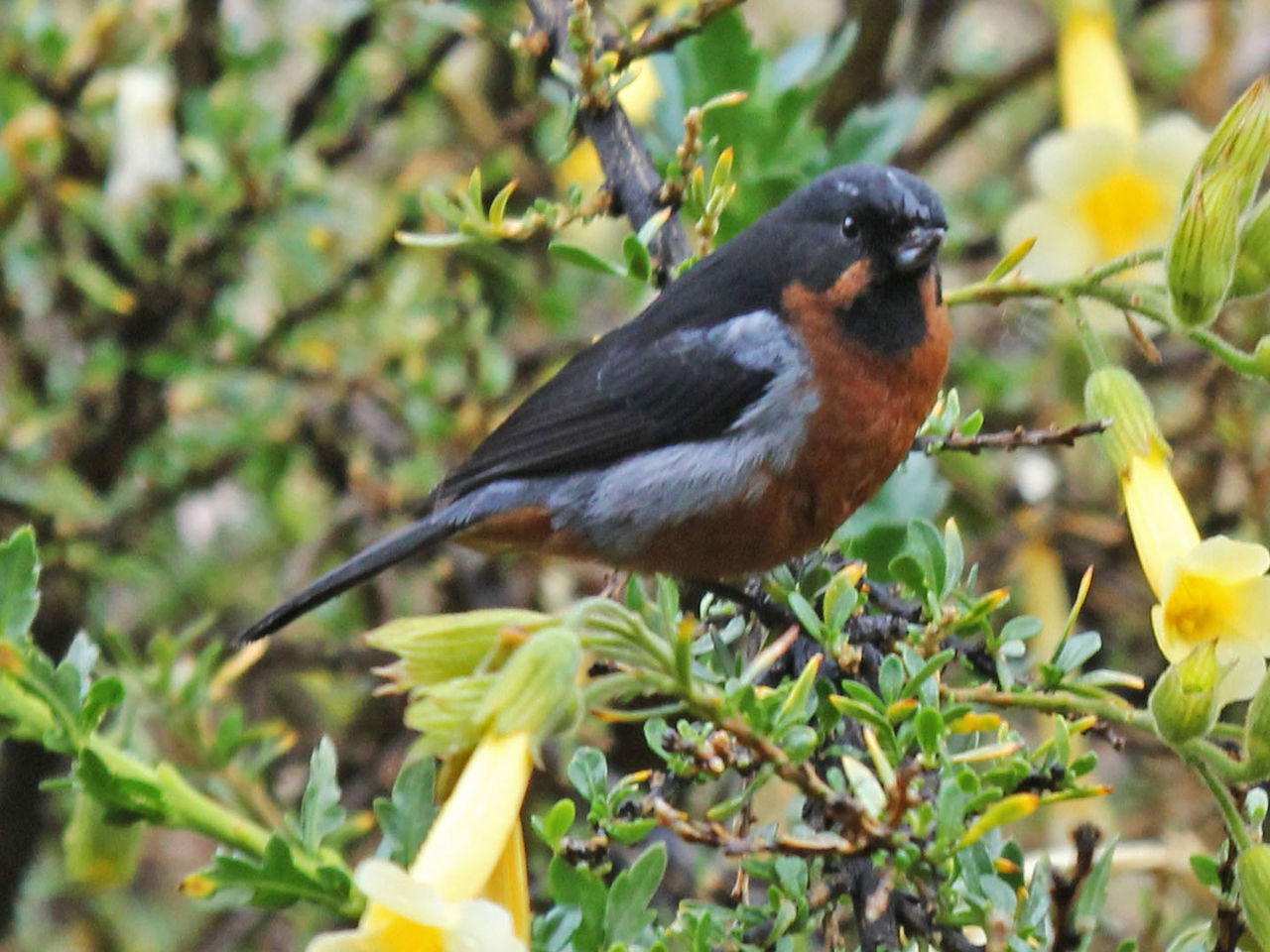
The black-throated canary, also known as the black-throated seedeater, is a species of finch in the family Fringillidae.
Region
Southern Africa
Typical Environment
Occurs widely across dry savannas, thornveld, and open shrublands, including anthropogenic edges such as fields and village gardens. It favors areas with scattered bushes and seed-rich grasses, often near water sources. The species tolerates semi-arid conditions and can be locally common where grasses set seed after rains. It also uses lightly wooded habitats and field margins.
Altitude Range
Sea level to 2500 m
Climate Zone
Subtropical
Ease of Keeping
Beginner friendly: 2/5
Also called the black-throated seedeater, this finch is part of the African canary group and was moved from Serinus to Crithagra after genetic studies. The male’s contrasting black throat patch is a key field mark. Flocks often wander locally after rains to exploit fresh seed, sometimes mixing with other small finches.

Temperament
social and active
Flight Pattern
undulating with short rapid wingbeats
Social Behavior
Often in small to medium flocks outside the breeding season and may join mixed finch flocks. Breeding pairs are territorial, placing a small cup nest in shrubs or low trees. They roost communally in dense bushes and move locally in response to food availability.
Migratory Pattern
Partial migrant
Song Description
A bright, tinkling series of trills and twitters delivered from exposed perches. Calls include thin tseep notes and rapid chattering during flock movements.
Plumage
Streaked brown to grey-brown upperparts with paler, lightly streaked underparts; males show a distinct black throat bib. The face is subtle with a pale eyebrow and dusky ear coverts; wings and tail are dusky with narrow pale edging.
Diet
Primarily eats grass and weed seeds, including those of forbs and agricultural plants. Will also take buds and small fruits when available. Insects and other small invertebrates are consumed opportunistically, especially during the breeding season to feed nestlings.
Preferred Environment
Forages on the ground and low vegetation in open savanna, stubble fields, and along bushy edges. Frequently visits seeding grasses after rains and may feed near waterholes or farmsteads.