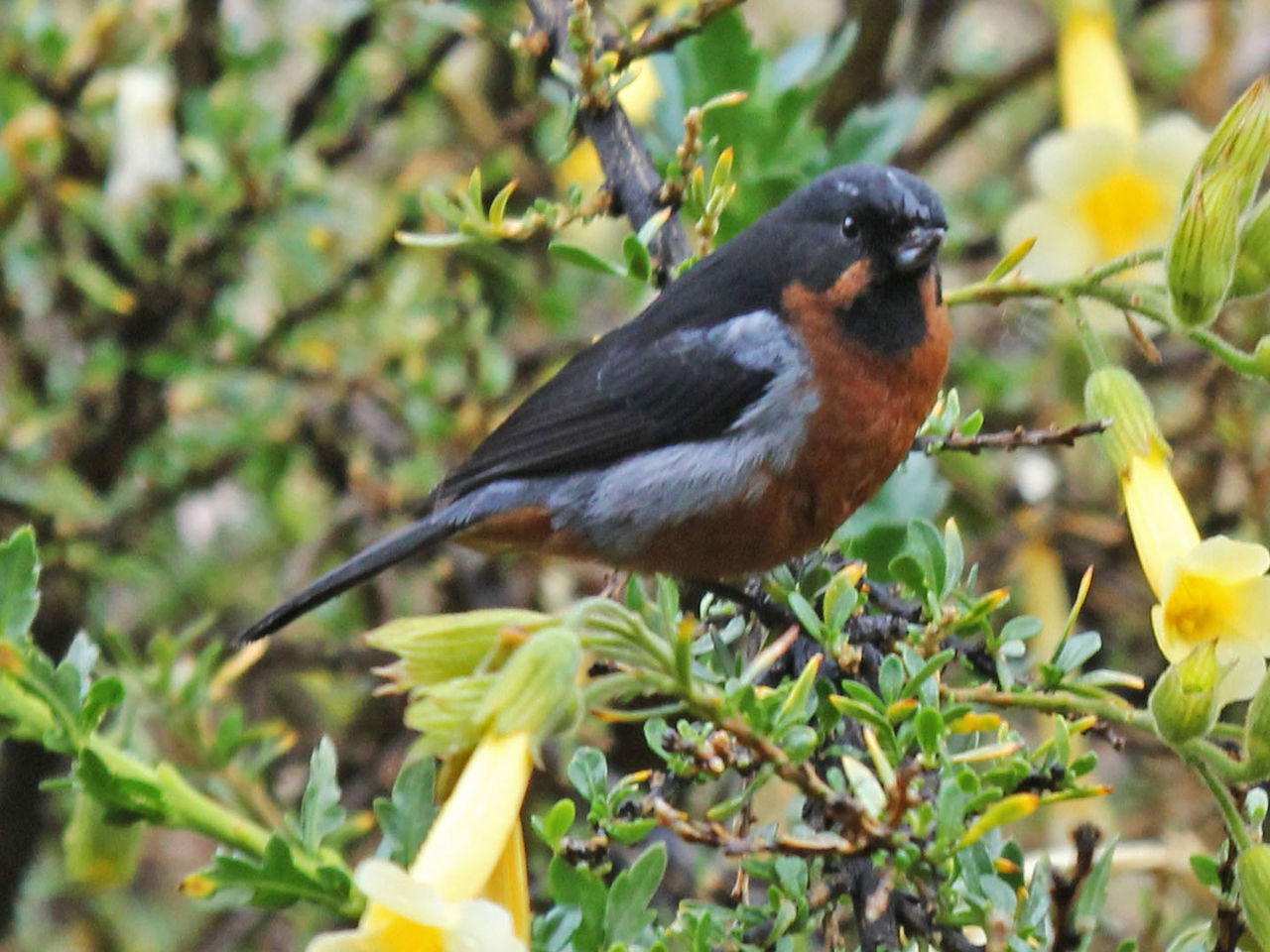
The black-throated finch, or parson finch, is a species of estrildid finch found in grassy woodlands throughout north-east Australia from Cape York Peninsula to central Queensland. The southern black-throated finch is endangered, with a population in decline and its habitat is threatened by development, and has become extinct in New South Wales, while the northern black-throated finch is not listed as threatened at this point.
Region
Northeastern Australia
Typical Environment
Occurs in grassy open woodlands and savanna from Cape York Peninsula south into central Queensland, with former range extending into northern New South Wales where it is now extinct. It favors lightly timbered eucalypt or acacia country with a dense native grass understorey. Reliable water nearby is important, and birds often commute to permanent or seasonal waterholes. Habitat fragmentation, heavy grazing, and land clearing have contracted its southern distribution. Northern populations persist in suitable savanna and pastoral landscapes with intact grass assemblages.
Altitude Range
Sea level to 800 m
Climate Zone
Tropical
Ease of Keeping
Beginner friendly: 2/5
Also called the parson finch, it is named for its neat black throat 'bib.' Two subspecies are recognized: the southern black-throated finch, which has suffered severe declines, and the northern, which remains more widespread. The species depends on seeding native grasses and regular access to water, making it sensitive to habitat degradation from overgrazing, development, and mining. Conservation in central and north Queensland has become a high-profile issue due to habitat planning and land-use changes.


A captive individual of the white-rumped subspecies, P. c. atropygialis
Temperament
social and active
Flight Pattern
short rapid wingbeats with low, direct flights
Social Behavior
Often found in small flocks outside the breeding season, feeding and drinking together. Pairs form during breeding, with courtship displays that include soft calls and bowing. They build domed grass nests in shrubs or trees, sometimes reusing old nests. Both parents share incubation and chick-feeding duties.
Migratory Pattern
Resident
Song Description
Soft, tinkling trills and twittering contact calls, often given while perched or in flight. The song is modest and musical rather than loud, with gentle repeated phrases.
Plumage
Compact finch with a clean black throat bib, smooth grey head and nape, warm brown upperparts, and buff to fawn underparts with paler belly.
Diet
Primarily granivorous, taking seeds of native grasses such as Panicum, Urochloa, and other seeding ground-cover species. Birds often pick fallen seeds from the ground but will also take seed heads directly from stems. During breeding they supplement with small insects and other invertebrates for added protein. They require frequent access to water and visit waterholes daily, especially in the dry season.
Preferred Environment
Feeds in open grassy understories, along track edges, pasture with retained native grasses, and the margins of waterholes. Uses lightly grazed or recently burnt areas where grasses are seeding. Often forages on the ground in small groups, moving to nearby shrubs for cover.