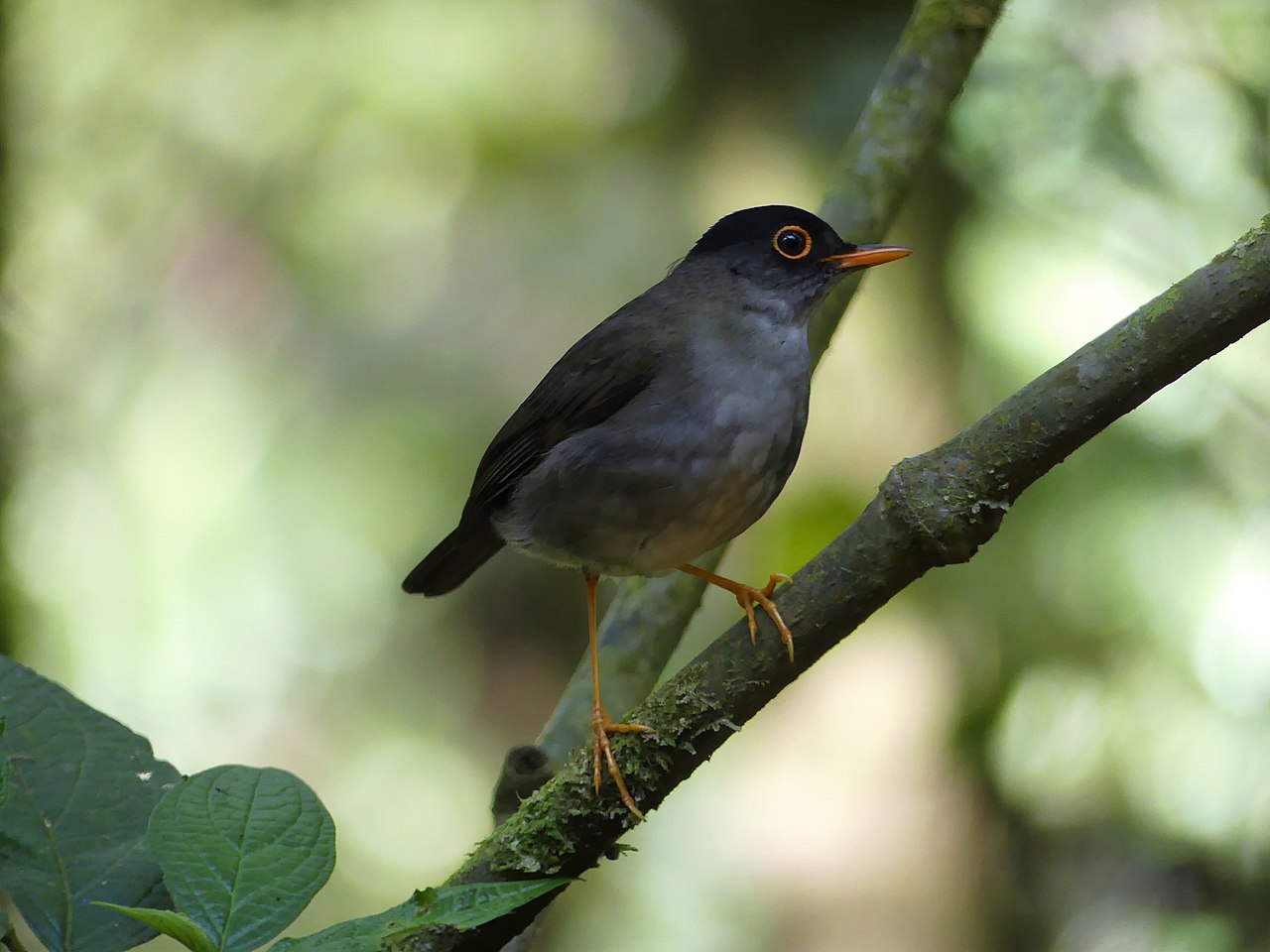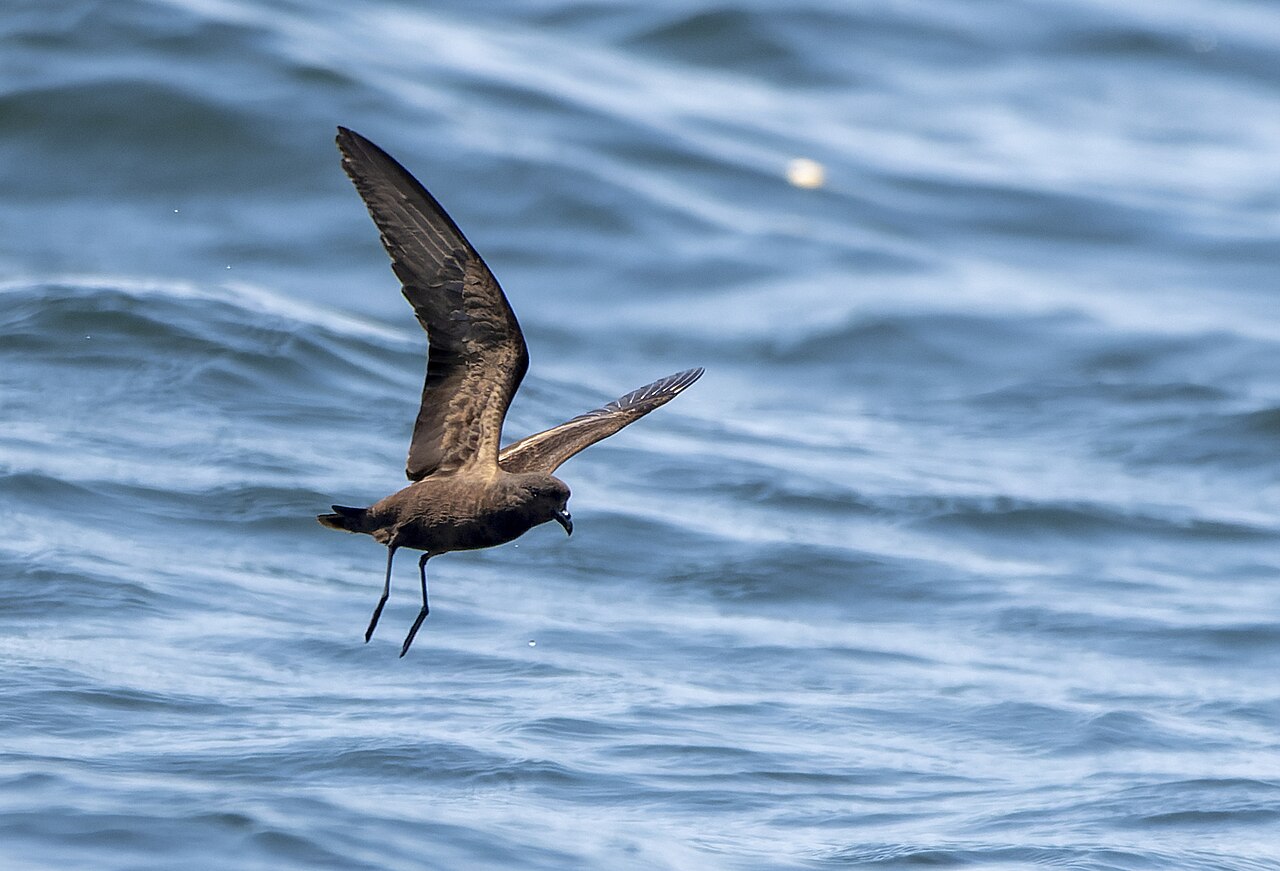
The black storm petrel is a small seabird of the storm petrel family Hydrobatidae. It is 23 cm in length, with a wingspan of 46–51 cm.
Region
Eastern Pacific Ocean
Typical Environment
Breeds on offshore islets from southern California through Baja California and disperses widely over the tropical to subtropical eastern Pacific, often ranging south to Central America and beyond. At sea it occurs far from shore over deep water but can concentrate over productive upwelling zones and along shelf edges. It is strictly pelagic outside the breeding season and rarely approaches land. Breeding sites are on rocky islands with crevices, talus, or burrows, and it attends colonies only at night for safety.
Altitude Range
Sea level to 100 m
Climate Zone
Subtropical
Ease of Keeping
Beginner friendly: 1/5
The black storm petrel is one of the larger storm-petrels of the eastern Pacific and is strictly pelagic, coming to land only to breed. It nests in rock crevices or burrows and visits colonies at night to avoid predators. Like other tubenoses, it can eject stomach oil as a defense and to feed its chick over long intervals.


Group off the coast of Northern California
Temperament
pelagic and wary
Flight Pattern
buoyant with short rapid wingbeats interspersed with glides
Social Behavior
A colonial nester, it breeds in loose to dense colonies on offshore islands, laying a single egg in a crevice or burrow. Adults are largely nocturnal at colonies and show strong site fidelity, often returning to the same nest each year. Pairs are typically monogamous and share incubation and chick-rearing duties.
Migratory Pattern
Seasonal migrant
Song Description
Mostly silent at sea, but at colonies it gives low, chattering trills and purrs delivered at night from within crevices. Calls are soft and carry poorly, aiding in predator avoidance.
Plumage
Mostly uniform sooty-black to dark brown with slightly paler upperwing coverts forming a subtle panel; feathers are sleek and unpatterned overall.
Diet
Feeds on small marine prey taken at or just below the surface, including euphausiid krill, copepods, fish eggs and larvae, and small squid. It will also scavenge oily scraps and occasionally follows ships or dolphins to exploit disturbed prey. Captures food by dipping, pattering with its feet on the surface, and snatching items in flight.
Preferred Environment
Most often forages over deep offshore waters and along productive fronts, slicks, and upwelling zones. It may aggregate where prey is concentrated by currents or where nocturnal prey rise toward the surface.