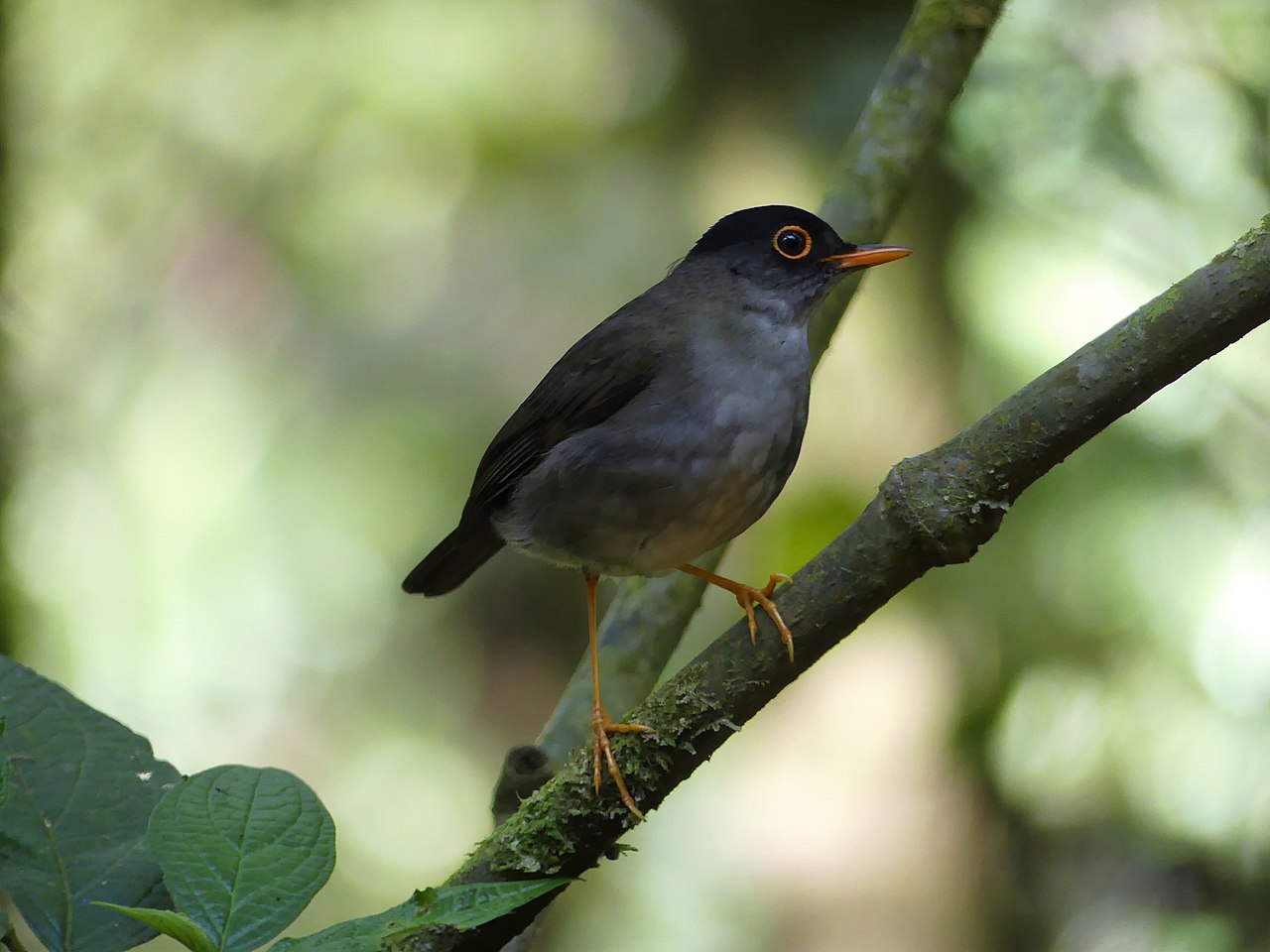
The black tern is a small tern generally found in or near inland water that breeds in Europe, Western Asia and North America. In winter the birds migrate to coastal areas of Africa and South America.
Region
Europe, Western Asia, and North America
Typical Environment
Breeds in inland freshwater marshes with emergent vegetation such as cattails and sedges, typically around shallow lakes and ponds. During migration it uses large lakes, reservoirs, and river corridors. In winter it frequents coastal lagoons, estuaries, sheltered bays, and nearshore waters. Prefers areas with abundant floating vegetation or debris that can support nest platforms.
Altitude Range
Sea level to 2000 m
Climate Zone
Other
Ease of Keeping
Beginner friendly: 1/5
Unlike many terns, black terns seldom plunge-dive; they mostly catch flying insects or pick prey from the water’s surface. They nest on floating mats of vegetation in shallow freshwater marshes, making them vulnerable to water-level fluctuations. Breeding adults turn a striking sooty-black, but in nonbreeding season they look much paler with a dark ear patch. They often form loose colonies and feed in flocks, especially during migration.


ID composite


Temperament
social and active
Flight Pattern
buoyant and agile with quick, shallow wingbeats
Social Behavior
Typically breeds in loose colonies on floating or low vegetation, with both parents sharing incubation and chick rearing. Adults aggressively defend nests against intruders. Outside breeding, they often forage and roost in flocks, sometimes mixed with other terns and gulls.
Migratory Pattern
Seasonal migrant
Song Description
Vocalizations are sharp, chattering calls and high ‘kik’ or ‘kik-ik’ notes, especially over colonies. During displays, calls become more rapid and scolding. Overall song is simple and functional rather than musical.
Plumage
Breeding adults are sooty-black on head, neck, and underparts with dark gray upperwings and a white undertail; nonbreeding birds are largely pale gray and white with a distinctive dark ear patch and dusky shoulder.
Diet
Feeds primarily on flying insects such as dragonflies, beetles, and flies, often caught on the wing. Also picks aquatic insects and larvae from the surface and occasionally takes small fish and crustaceans. Opportunistic during migration and winter, focusing on whatever small prey is abundant.
Preferred Environment
Forages over freshwater marshes, lakes, and slow rivers during breeding. In migration and winter, works over estuaries, lagoons, and nearshore coastal waters, often near calm surfaces where prey concentrates.