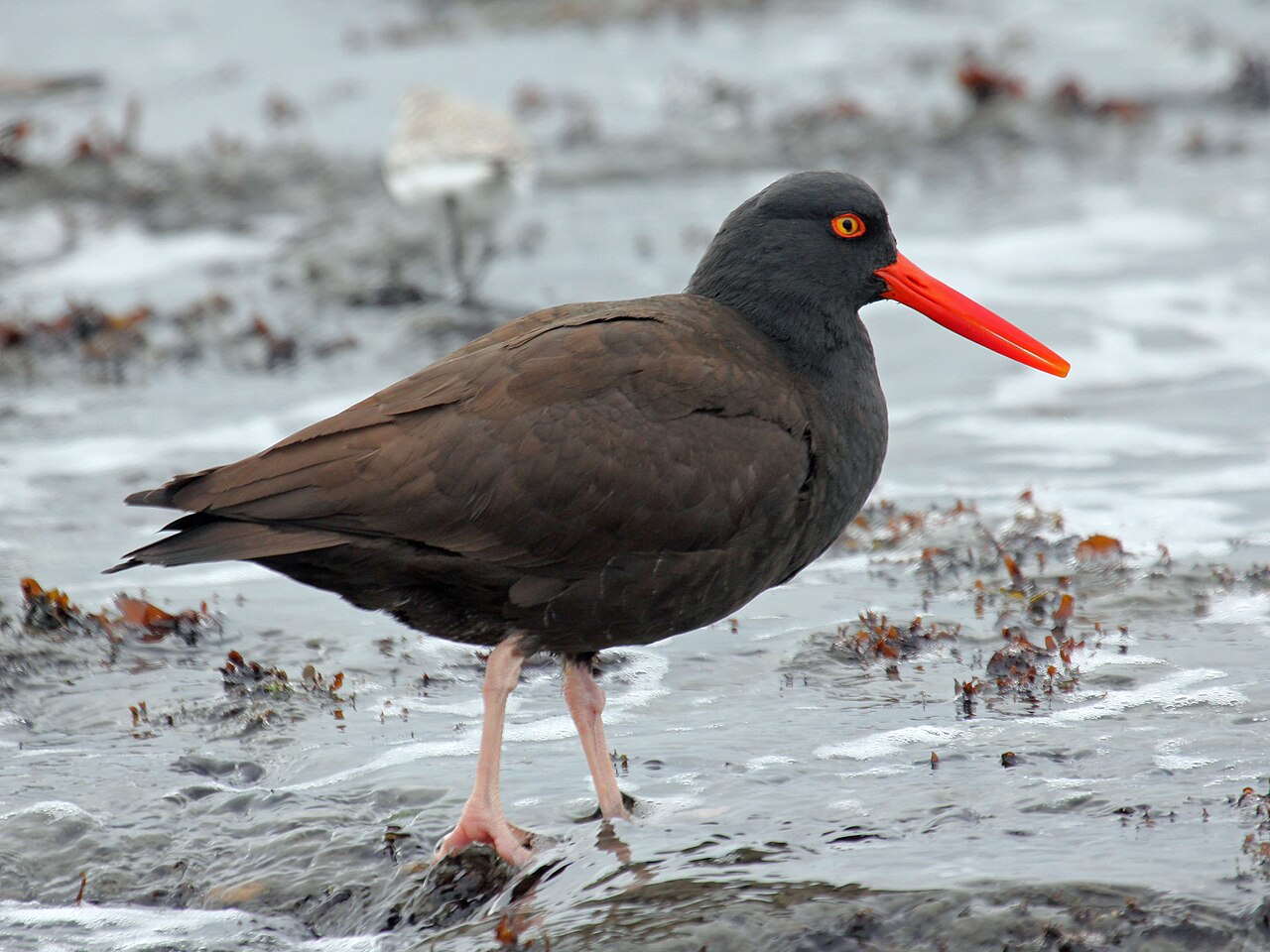
The black metaltail is a species of hummingbird in the "coquettes", tribe Lesbiini of subfamily Lesbiinae. It is endemic to Peru.
Region
Andes Mountains
Typical Environment
Endemic to the Pacific-facing slopes and intermontane valleys of the Peruvian Andes. It inhabits arid to semi-arid montane scrub with cacti and shrubs, rocky ravines, and open woodland edges. The species also uses hedgerows and highland gardens where nectar plants are available. It is most frequently recorded from central and southern Peru but can be locally common where flowering resources are concentrated.
Altitude Range
1500–4200 m
Climate Zone
Highland
Ease of Keeping
Beginner friendly: 1/5
The Black Metaltail is a small hummingbird found only in Peru, where it favors arid and semi-arid Andean slopes. Males appear almost sooty overall but flash a striking metallic, purplish-bronze tail in good light. It is fiercely territorial around nectar sources and will chase larger birds from favored flowers. The species readily visits flowering shrubs in villages and gardens at high elevations.


Temperament
solitary and territorial
Flight Pattern
short rapid wingbeats with agile hovering
Social Behavior
Typically solitary outside the breeding season and strongly defends flower-rich patches against intruders. Males hold small feeding territories and perform rapid chases. Nests are small cups placed on protected ledges or shrubs, often near a reliable nectar source.
Migratory Pattern
Resident
Song Description
Vocalizations are high, thin chips and short trills, often given while perched between foraging bouts. Males may produce rapid, high-pitched series during aggressive encounters or brief display flights.
Plumage
Male is mostly sooty to blackish with a conspicuously iridescent, metallic bronzy-purple tail; upperparts can show a subtle dark green sheen. Female has bronzy-green upperparts, grayish underparts with pale mottling on the throat, and a less vividly metallic tail. Both sexes have a short, straight slender bill and a slightly notched tail.
Diet
Primarily feeds on nectar from flowering shrubs and herbs, including Andean scrub plants and cacti. It supplements its diet with small arthropods, which provide essential proteins. Insects are taken by hover-gleaning from foliage or by short sallies into the air. It will exploit both native and cultivated nectar sources in human-altered landscapes.
Preferred Environment
Feeds along scrubby slopes, rocky ravines, and woodland edges where tubular flowers are abundant. Frequently visits hedgerows and high-elevation gardens, moving methodically between favored blooms.