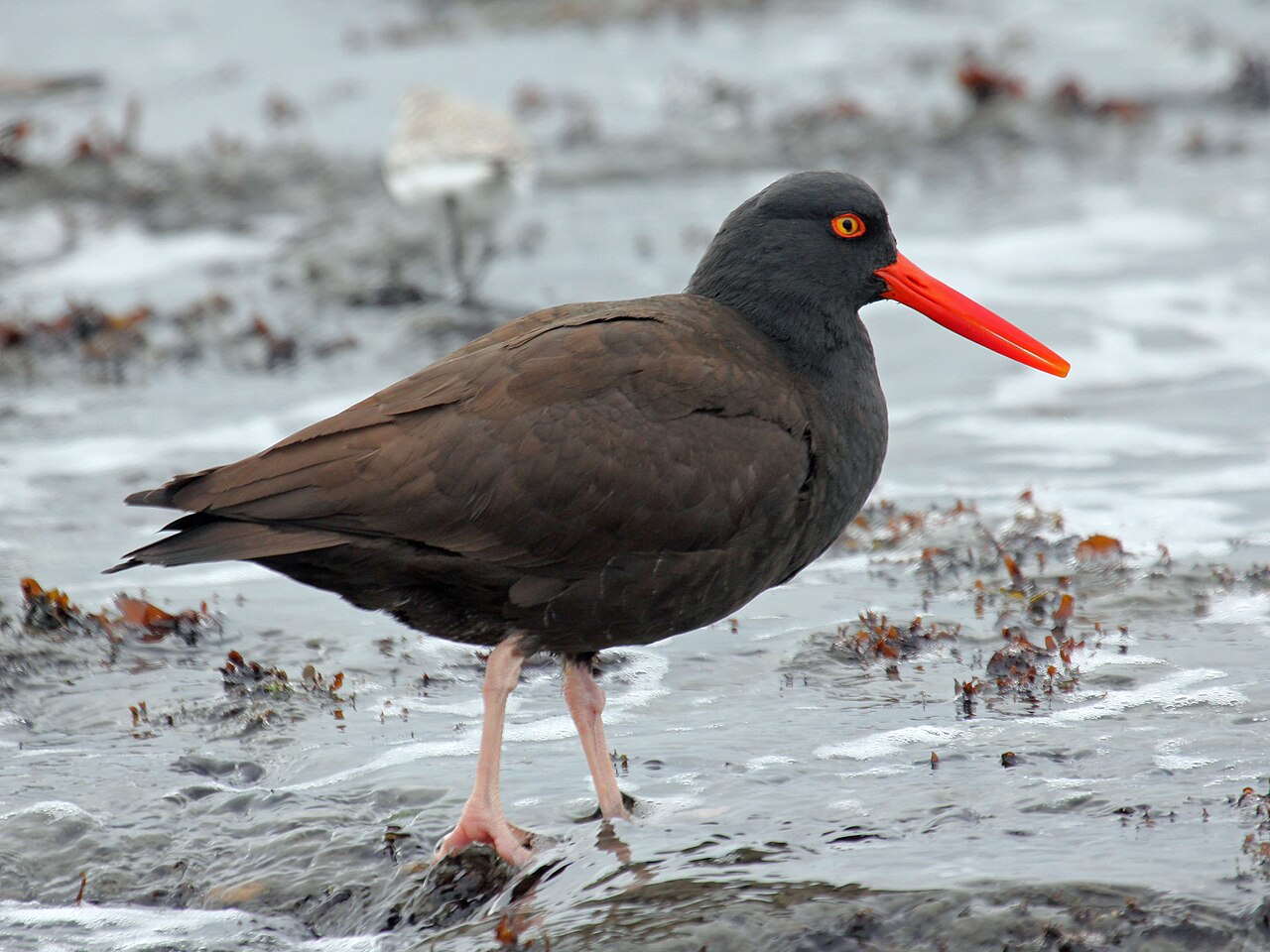
The black nunbird is a species of near-passerine bird in the family Bucconidae, the puffbirds, nunlets, and nunbirds. It is found in Brazil, French Guiana, Guyana, Suriname, and Venezuela.
Region
The Guianas and northern Amazon Basin
Typical Environment
Occurs across the Guianan Shield in French Guiana, Suriname, Guyana, southern Venezuela, and adjacent northern Brazil. Prefers lowland tropical rainforest, especially forest edges, light gaps, secondary growth, and riverine corridors. Uses both terra firme and seasonally flooded forests and is frequently seen near clearings and along tracks or streams. Typically forages from 1–6 m above ground, moving between shaded perches. It generally avoids very open country and dense interior canopy.
Altitude Range
Sea level to 700 m
Climate Zone
Tropical
Ease of Keeping
Beginner friendly: 1/5
The black nunbird is a puffbird of the Guianan region that spends long periods perched quietly before sallying out to snatch prey. It often hunts from low to mid-level perches along forest edges and river margins and may attend army-ant swarms. Like many puffbirds, it nests in burrows excavated in earthen banks or flat ground. Its uniform dark plumage and heavy, slightly hooked bill give it a distinctive, shadowy profile in the understory.


Temperament
solitary and territorial
Flight Pattern
short rapid wingbeats between perches
Social Behavior
Usually seen alone or in pairs, occasionally in small family groups. Perches quietly for extended periods, then sallies to take prey before returning to a perch. Nests in burrows excavated in earthen banks or flat ground, where both parents participate in incubation and care. May loosely associate with mixed-species flocks along edges.
Migratory Pattern
Resident
Song Description
Gives clear, whistled notes in short series, often mellow and slightly descending. Calls can include plaintive, flute-like whistles repeated from a shaded perch. Vocalizations carry well through low, dense woodland.
Plumage
Uniform sooty-black to black plumage with a slight satin gloss; feathers appear smooth and dense.
Diet
Feeds primarily on large insects such as grasshoppers, beetles, cicadas, and katydids; also takes spiders and occasionally small vertebrates like lizards or small frogs. Hunts by sallying from low to mid-level perches to snatch prey in flight or from foliage. Will sometimes follow army-ant swarms to capture flushed arthropods.
Preferred Environment
Forages along forest edges, rivers, and in light gaps or secondary growth where visibility from perches is good. Often selects shaded perches a few meters above ground with clear launch paths.