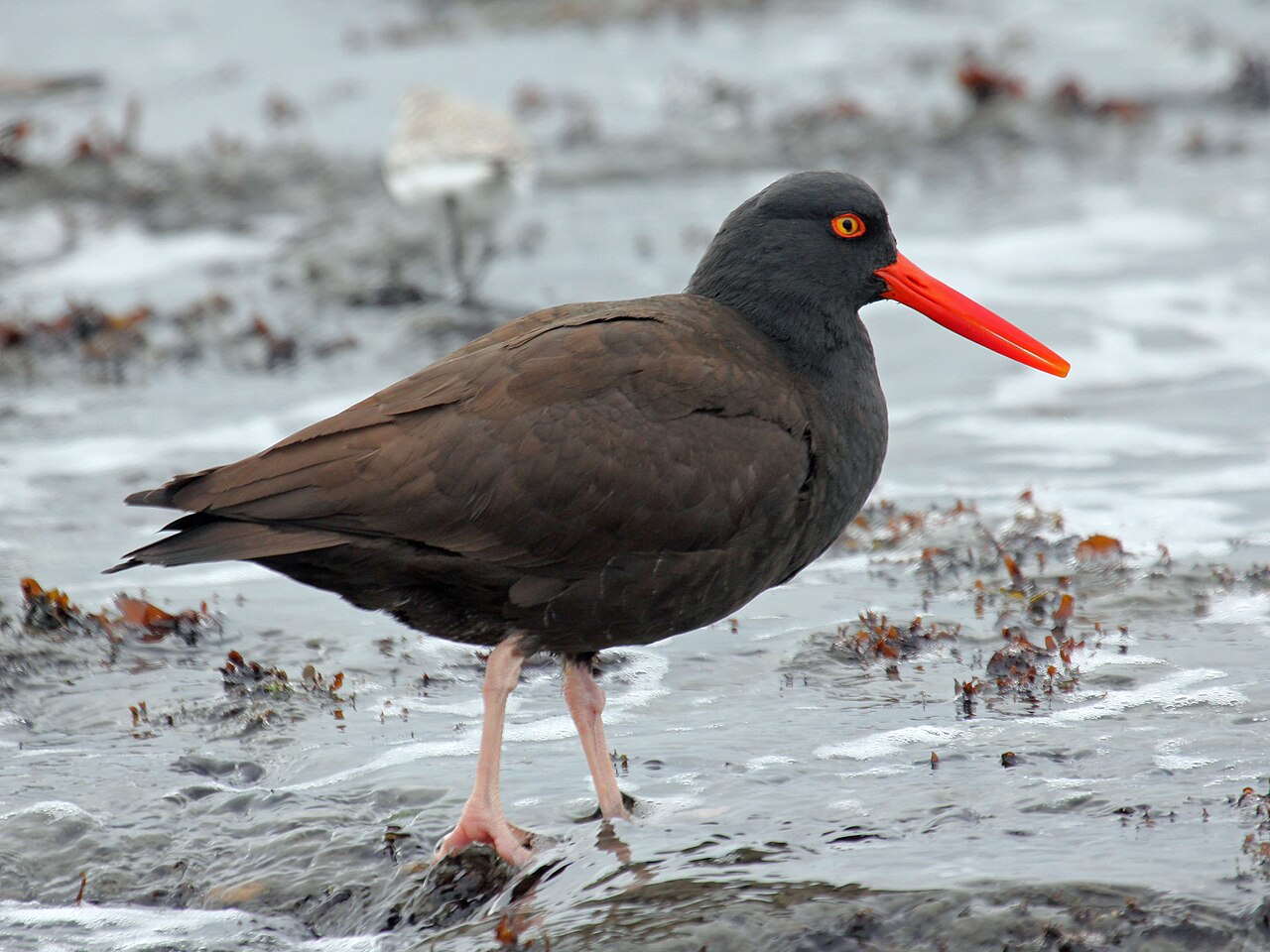
The black oropendola is a species of bird in the family Icteridae. It is found in Colombia and Panama. Its natural habitat is subtropical or tropical moist lowland forests.
Region
Chocó–Darién (Panama and northwestern Colombia)
Typical Environment
Occupies humid lowland rainforests, especially in the Chocó biogeographic region. Favors tall primary forest but also uses edges, river corridors, and selectively logged areas with remaining emergent trees. Often nests in exposed canopy trees above water or open clearings, forming conspicuous colonies. Typically forages in the mid to upper canopy and occasionally ventures into adjacent second-growth.
Altitude Range
Sea level to 900 m
Climate Zone
Tropical
Ease of Keeping
Beginner friendly: 1/5
Black oropendolas are colonial nesters that weave long, pendulous basket nests high in emergent trees, often near rivers or forest edges. Males perform dramatic bowing displays accompanied by bubbling, gurgling songs to attract females. They play an important role in seed dispersal through fruit consumption and also help control insects in the canopy.


Temperament
social and active
Flight Pattern
strong flier with direct, rapid wingbeats
Social Behavior
Forms noisy colonies that build dozens of pendulous nests in a single canopy tree. Polygynous mating system with dominant males displaying through exaggerated bowing and vocal performances. Nests are suspended high off the ground to deter predators, and colonies are often placed near water.
Migratory Pattern
Resident
Song Description
Song is a series of liquid, gurgling, and bubbling notes that may be accompanied by wing-fluttering displays. Calls include chatter, clacks, and metallic notes that carry far through the canopy.
Plumage
Mostly glossy black with contrasting rich rufous to chestnut rump and tail; long, tapered tail and sleek body.
Diet
Consumes a variety of fruits (including figs), large insects, and other arthropods, and occasionally small vertebrates. Will take nectar and probe flowers, contributing to pollination. Acts as a seed disperser by swallowing fruit and moving across the forest. Forages deliberately, gleaning and picking items from foliage and fruiting clusters.
Preferred Environment
Primarily feeds in the mid and upper canopy of humid lowland forest. Frequently visits fruiting trees along edges, rivers, and gaps, and may exploit second-growth where tall trees remain.