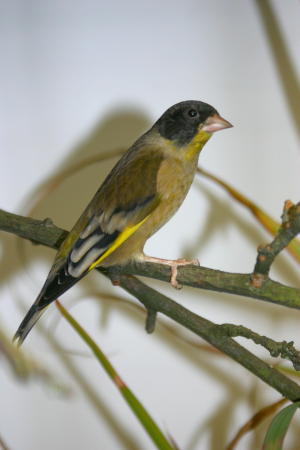
The black-headed bulbul is a member of the bulbul family, Pycnonotidae. It is found in forests in south-eastern Asia.
Region
Southeast Asia
Typical Environment
Occurs from the Thai–Malay Peninsula through Peninsular Malaysia and into the Greater Sundas, including Sumatra and Borneo. It frequents lowland to lower montane evergreen and semi-evergreen forests, as well as well-wooded secondary growth and forest edges. The species is most common in intact or lightly disturbed forest but can persist in selectively logged areas where fruiting trees remain. It moves through the midstory to canopy and is often detected at fruiting figs. Local abundance may fluctuate with fruit availability.
Altitude Range
Sea level to 1500 m
Climate Zone
Tropical
Ease of Keeping
Beginner friendly: 2/5
This bulbul is instantly recognizable by its glossy black head and bright blue orbital skin. It often joins mixed-species flocks in the forest canopy and is a key disperser of seeds from small fruits. Its presence around fruiting trees can signal rich foraging for many other birds.


Temperament
social and active
Flight Pattern
short rapid wingbeats with agile, direct dashes between trees
Social Behavior
Typically travels in small groups and frequently joins mixed-species flocks in the canopy. Builds a small cup nest in shrubs or low trees; both parents participate in care. Displays short chases and soft contact calls while foraging. Pairs maintain small breeding territories within larger foraging areas.
Migratory Pattern
Resident
Song Description
Delivers a series of clear, ringing whistles mixed with bubbling notes and chattering phrases. Calls are sharp, metallic chips used to keep contact within flocks.
Plumage
Glossy black head and throat with olive-green upperparts and yellow-olive underparts; plumage appears smooth and sleek with a subtle sheen on the hood.
Diet
Feeds primarily on small fruits and berries, especially figs and other soft, pulpy fruits. Supplements diet with insects such as beetles, caterpillars, and other arthropods gleaned from foliage and twigs. Occasionally sallies to catch flying insects and may swallow small seeds with fruit.
Preferred Environment
Forages in the midstory and canopy at fruiting trees within forest and along edges. Also uses clearings and secondary growth where native fruiting plants are abundant.