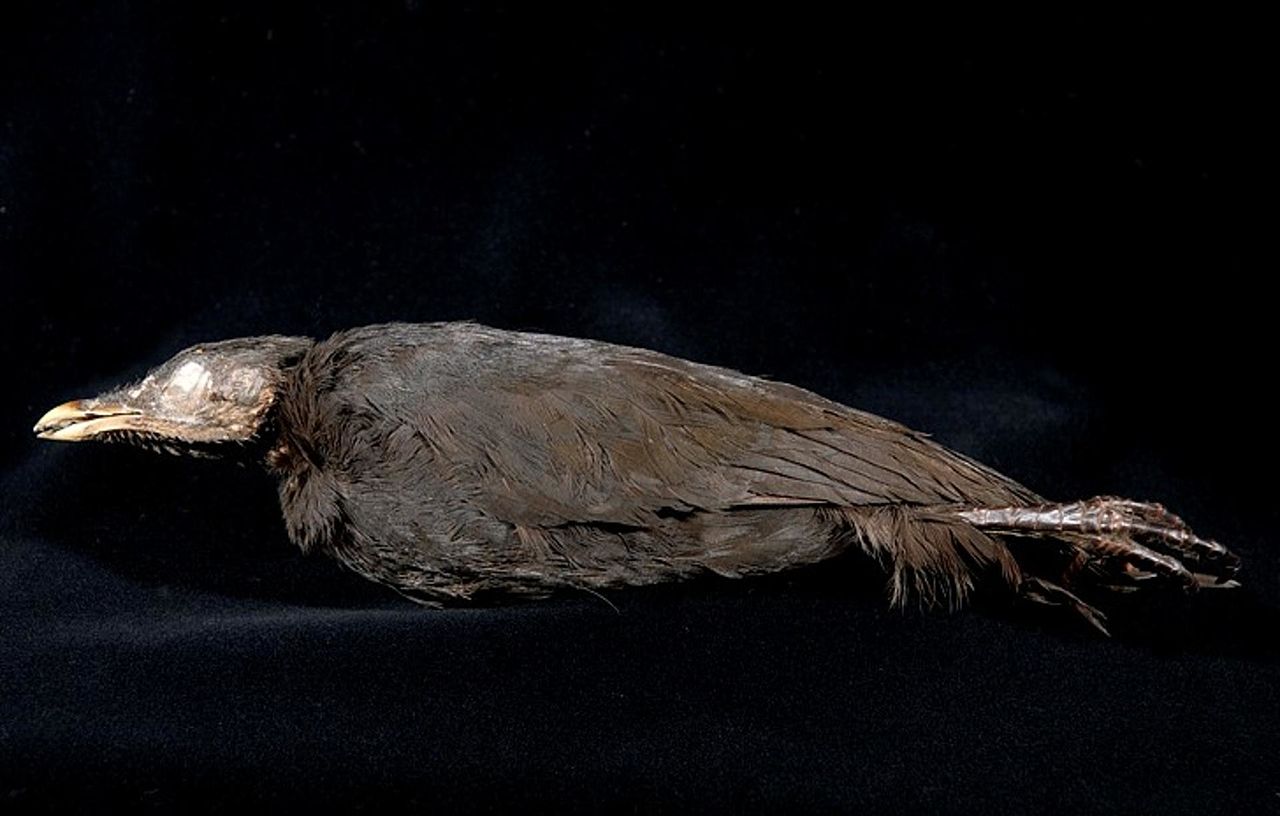
The Biak monarch, or Biak monarch flycatcher, is a species of bird in the family Monarchidae. It is endemic to Biak Island, Indonesia.
Region
Papuan Islands (Cenderawasih Bay)
Typical Environment
This species is confined to primary and mature secondary lowland rainforest on Biak Island, using edges, interior forest, and occasionally well-wooded gardens near forest margins. It moves through the midstory and subcanopy, gleaning from foliage and making short sallies to catch prey. While most common in intact forest, it can persist in selectively logged tracts if sufficient canopy structure remains. It is absent from open, heavily degraded areas.
Altitude Range
Sea level to 600 m
Climate Zone
Tropical
Ease of Keeping
Beginner friendly: 1/5
The Biak monarch is a small monarch flycatcher found only on Biak Island in Indonesia’s Cenderawasih Bay. It forages actively through the forest midstory and canopy, often sallying out to snatch insects in flight. Habitat loss from logging and land conversion is the principal threat to this range-restricted species.

Temperament
active and moderately territorial
Flight Pattern
short rapid wingbeats with quick sallies between perches
Social Behavior
Typically encountered as pairs or small family groups maintaining territories within suitable forest. Builds a neat cup nest suspended in a fork, using fine fibers and moss. Clutch size is small, and both parents participate in incubation and chick rearing. It may join mixed-species foraging flocks when food is abundant.
Migratory Pattern
Resident
Song Description
A series of clear, sweet whistles interspersed with short rattles and chips. Calls include dry ticks and sharp contact notes given while foraging. Vocalizations carry well through the midstory.
Plumage
Clean, contrasting monarch-flycatcher with dark upperparts and paler underparts; neat, sleek feathers with a smooth finish. Shows a sharp division between darker head/upper breast and whitish belly, with a subtle wing patch. Tail and wings appear dusky with narrow pale edging.
Diet
Primarily hunts small flying and leaf-dwelling insects such as flies, beetles, moths, and caterpillars. It employs perch-gleaning and short aerial sallies to capture prey, often returning to the same vantage point. Occasional consumption of small spiders or other arthropods is likely.
Preferred Environment
Forages in the midstory and subcanopy of humid lowland forest, especially along edges, gaps, and light wells. Will use secondary growth and selectively logged forest where structural complexity remains. Rarely feeds in open farmland away from cover.