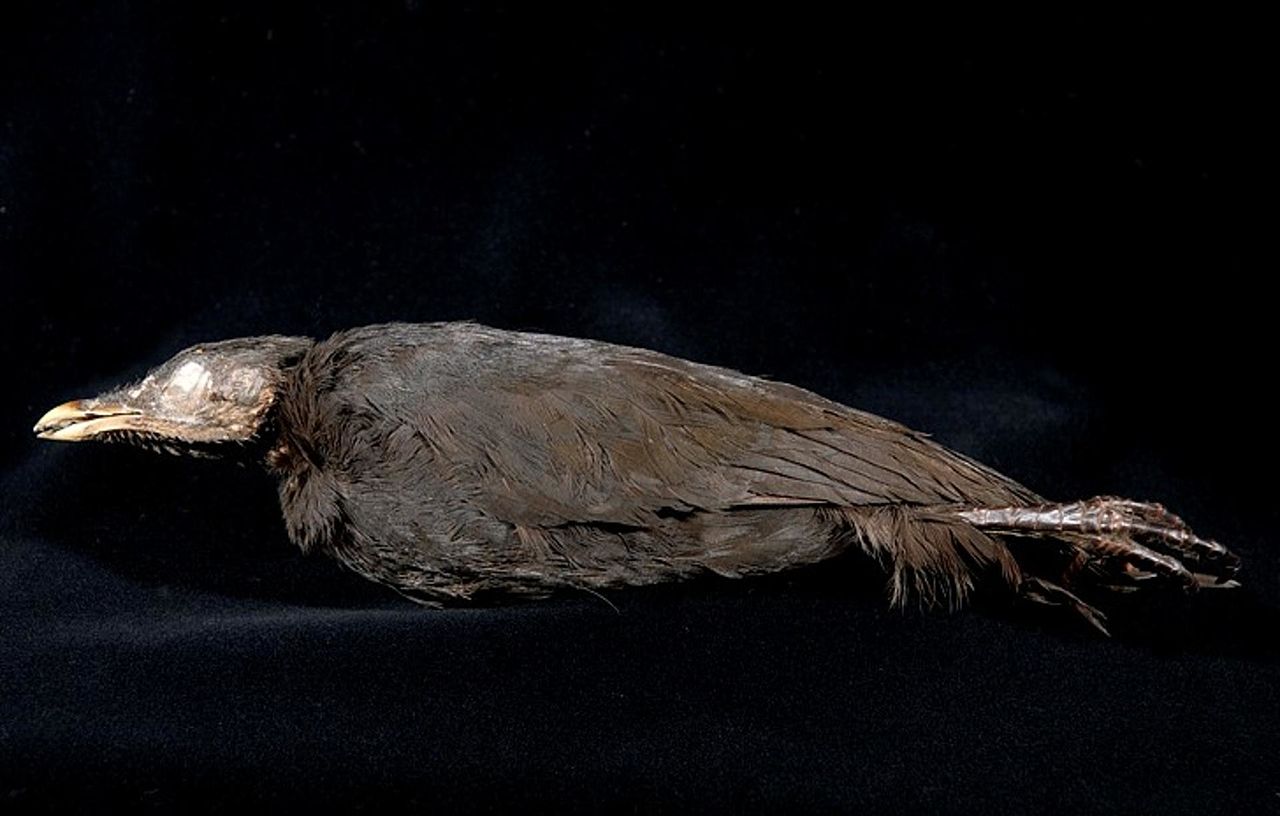
The Biak paradise kingfisher is a tree kingfisher that is endemic to the Indonesian island of Biak which is one of a small group of islands located in Cenderawasih Bay near the northern coast of Papua. This bird has a turquoise-blue back with a white belly and tail streamers and a reddish beak. Its natural habitat is forests and the IUCN has assessed its conservation status as being "near-threatened".
Region
Cenderawasih Bay Islands, Papua region, Indonesia
Typical Environment
Endemic to the island of Biak, where it inhabits primary and older secondary lowland rainforest. It favors dense understory and shaded interior forest, often near streams or clearings with ample perches. The species can persist in selectively logged forest if sufficient canopy and large trees remain, but it avoids open agricultural areas. It rarely crosses large gaps and is considered a forest interior specialist.
Altitude Range
Sea level to 300 m
Climate Zone
Tropical
Ease of Keeping
Beginner friendly: 1/5
The Biak paradise kingfisher is a striking forest specialist known for its long white tail streamers and vivid turquoise-blue upperparts. It is shy and usually stays within dense lowland rainforest, where it hunts quietly from low perches. The species is sensitive to forest degradation and fragmentation. Its ringing, whistled calls often reveal its presence before it is seen.

Temperament
solitary and territorial
Flight Pattern
short rapid wingbeats through understory, direct but low
Social Behavior
Usually seen alone or in pairs, maintaining territories within forest interior. Pairs are likely monogamous and defend nesting areas during the breeding season. They excavate nest chambers in arboreal termite nests or soft, decayed wood and provide biparental care.
Migratory Pattern
Resident
Song Description
A series of clear, ringing whistles that carry through the forest, often delivered at dawn. Calls may include repeated, descending notes and sharp contact whistles used between pair members.
Plumage
Glossy turquoise-blue mantle and back with clean white underparts and elongated white tail streamers; head largely dark with contrasting pale areas on the throat and nape.
Diet
Primarily hunts large insects such as beetles, grasshoppers, and caterpillars, as well as spiders. It may also take small lizards or frogs when available. Prey is typically seized during short sallies from a low perch, then beaten before swallowing.
Preferred Environment
Feeds within shaded forest understory and along edges of small clearings or trails, using low to mid-level perches. Often hunts near fallen logs, vine tangles, and termite mounds where prey is abundant.