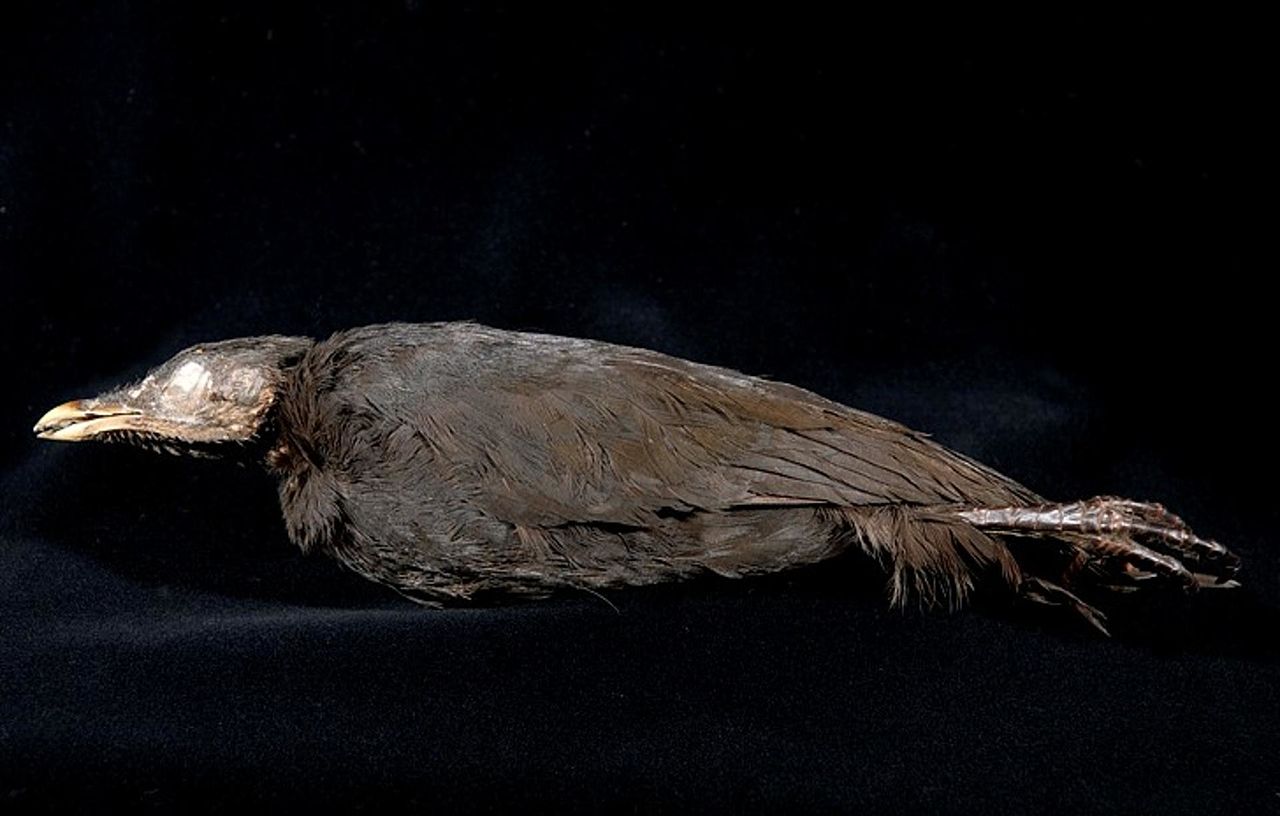
The Biak scops owl is a species of owl endemic to the twin islands of Biak-Supiori in Cenderawasih Bay, Papua, Indonesia.
Region
West Papuan Islands, Indonesia
Typical Environment
Occurs only on Biak and Supiori islands, where it inhabits lowland and foothill tropical forests, secondary growth, and forest edges. It tolerates some disturbance and may forage near gardens and village clearings at night. Daytime roosts are usually in dense foliage or vine tangles. Breeding territories are centered on wooded areas with suitable tree cavities for nesting.
Altitude Range
Sea level to 800 m
Climate Zone
Tropical
Ease of Keeping
Beginner friendly: 1/5
The Biak scops owl is confined to the twin islands of Biak and Supiori in Cenderawasih Bay, Indonesia. Like many scops owls, it is most reliably identified by its voice, which differs from mainland relatives. Habitat loss on these small islands poses the main threat to the species. It likely plays an important role controlling nocturnal insects around forest edges and villages.

Temperament
solitary and territorial
Flight Pattern
short rapid wingbeats with silent, maneuverable flight
Social Behavior
Typically encountered as single birds or pairs, especially during the breeding season. Pairs are presumed monogamous and defend small territories. Nests are believed to be in natural tree cavities or old woodpecker holes, with the female incubating while the male provides food.
Migratory Pattern
Resident
Song Description
Gives a series of mellow, evenly spaced hoots or whistles, often in repeated phrases with brief pauses. Territorial songs carry well through forest at night, and pairs may duet.
Plumage
Compact scops owl with fine mottling and streaking; shows typical ear tufts. Two main morphs occur: a grey-brown morph with intricate barring and a warmer rufous morph with heavier rufous tones and paler streaks. The facial disk is buff to grey with a darker rim; scapulars often show small pale spots.
Diet
Primarily feeds on large insects such as beetles, moths, katydids, and crickets. It will also take spiders and other arthropods, and occasionally small lizards or frogs when available. Hunting is usually from a low to mid-level perch, with short sallies to snatch prey from foliage or the ground.
Preferred Environment
Forages along forest edges, clearings, and secondary woodland where insect activity is high. It also hunts along tracks and near village gardens after dark.