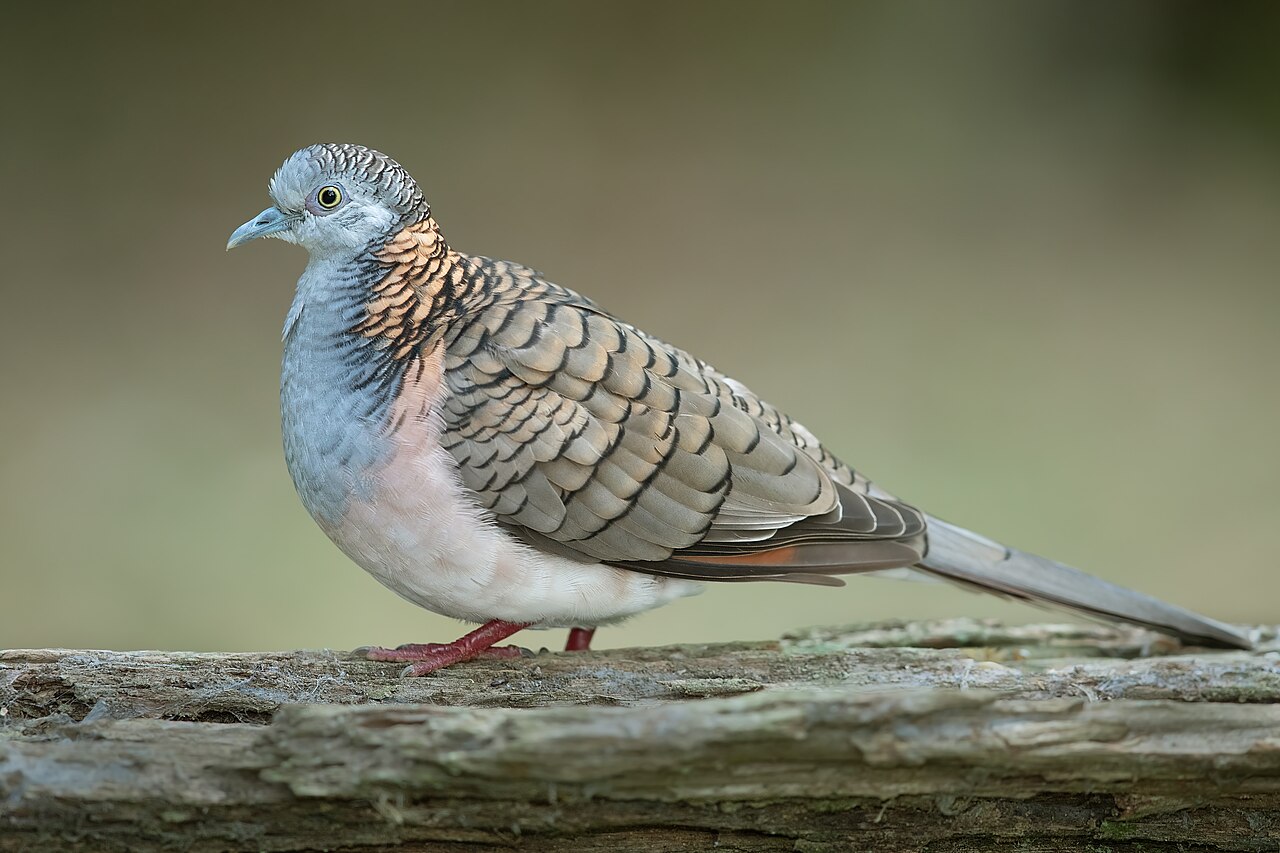
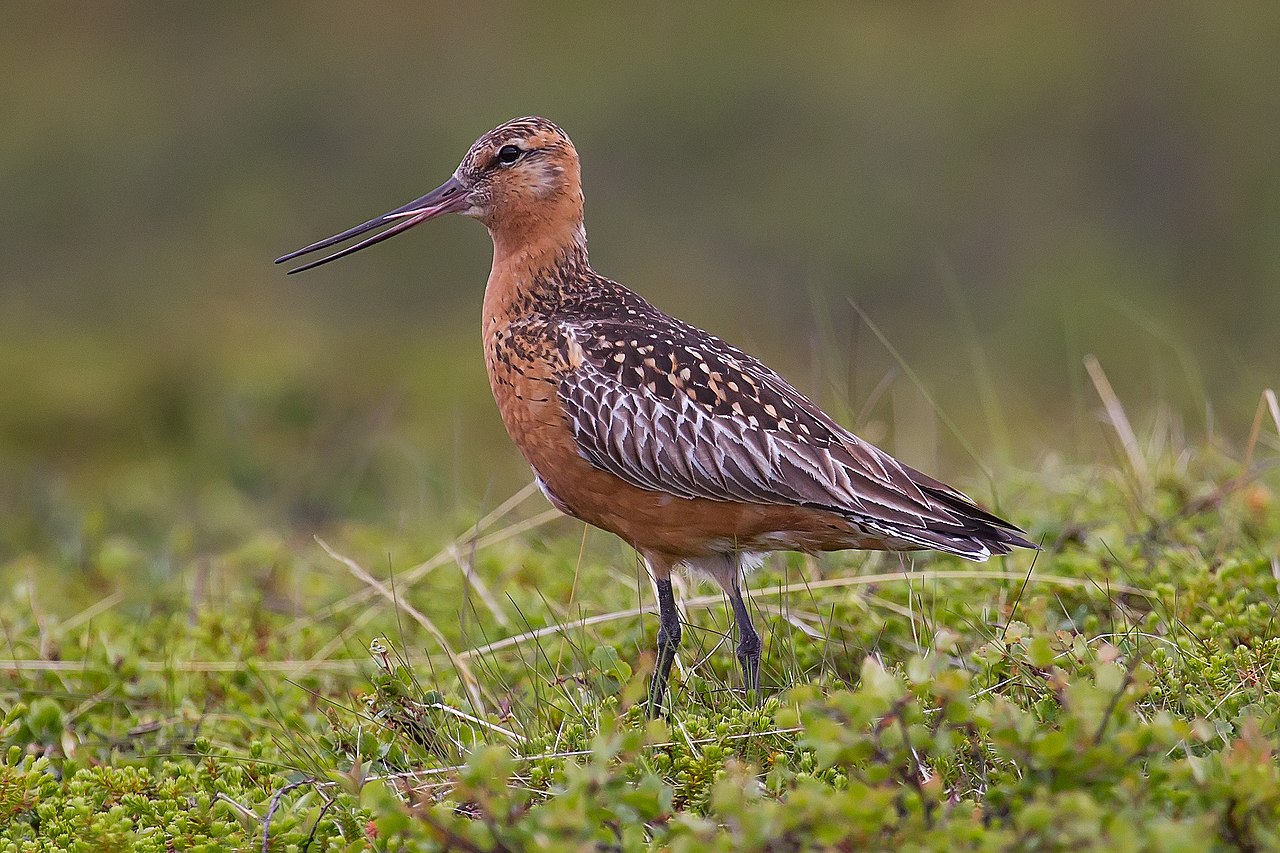
The bar-breasted firefinch is a common species of estrildid finch found in western and central Africa. It has an estimated global extent of occurrence of 2,900,000 km².
Region
West and Central Africa
Typical Environment
Found widely from the savanna belt of West Africa east into parts of Central Africa. Occupies open woodland, grassland with scattered shrubs, farm edges, fallows, and village gardens. Frequently stays close to dense low cover where it retreats when disturbed. Tolerant of habitat mosaics created by small-scale agriculture and grazing.
Altitude Range
0–1600 m
Climate Zone
Tropical
Ease of Keeping
Beginner friendly: 3/5
The bar-breasted firefinch is a small estrildid finch common across West and Central Africa, often frequenting villages, farms, and grassy edges. Males show finer and bolder barring on the breast than females. They build neat, domed grass nests low in dense cover and typically occur in pairs or small groups. Their adaptability to human-modified landscapes helps keep populations stable.

Temperament
social and active
Flight Pattern
short rapid wingbeats
Social Behavior
Usually seen in pairs or small family groups, sometimes joining mixed-species finch flocks at feeding sites. Nests are domed structures of dry grass placed low in dense vegetation. Pairs maintain small territories during breeding but are tolerant of neighbors.
Migratory Pattern
Resident
Song Description
A soft, high-pitched series of thin trills and tinkling notes. Calls include sharp contact chips and gentle twittering used to keep in touch while foraging.
Plumage
Compact finch with fine dark barring across a buff to pinkish breast, contrasting with a paler belly and warmer brown upperparts. The face and rump show crimson tones, more vivid in males; females are duller with less distinct barring.
Diet
Primarily takes small grass and weed seeds, especially those of seeding grasses in disturbed areas. Supplements diet with small insects such as termites and other invertebrates, particularly during the breeding season to feed nestlings. Often picks food from the ground or low seed heads.
Preferred Environment
Feeds along paths, field margins, and open grassy patches near cover. Also visits village gardens and fallows where grasses are seeding.