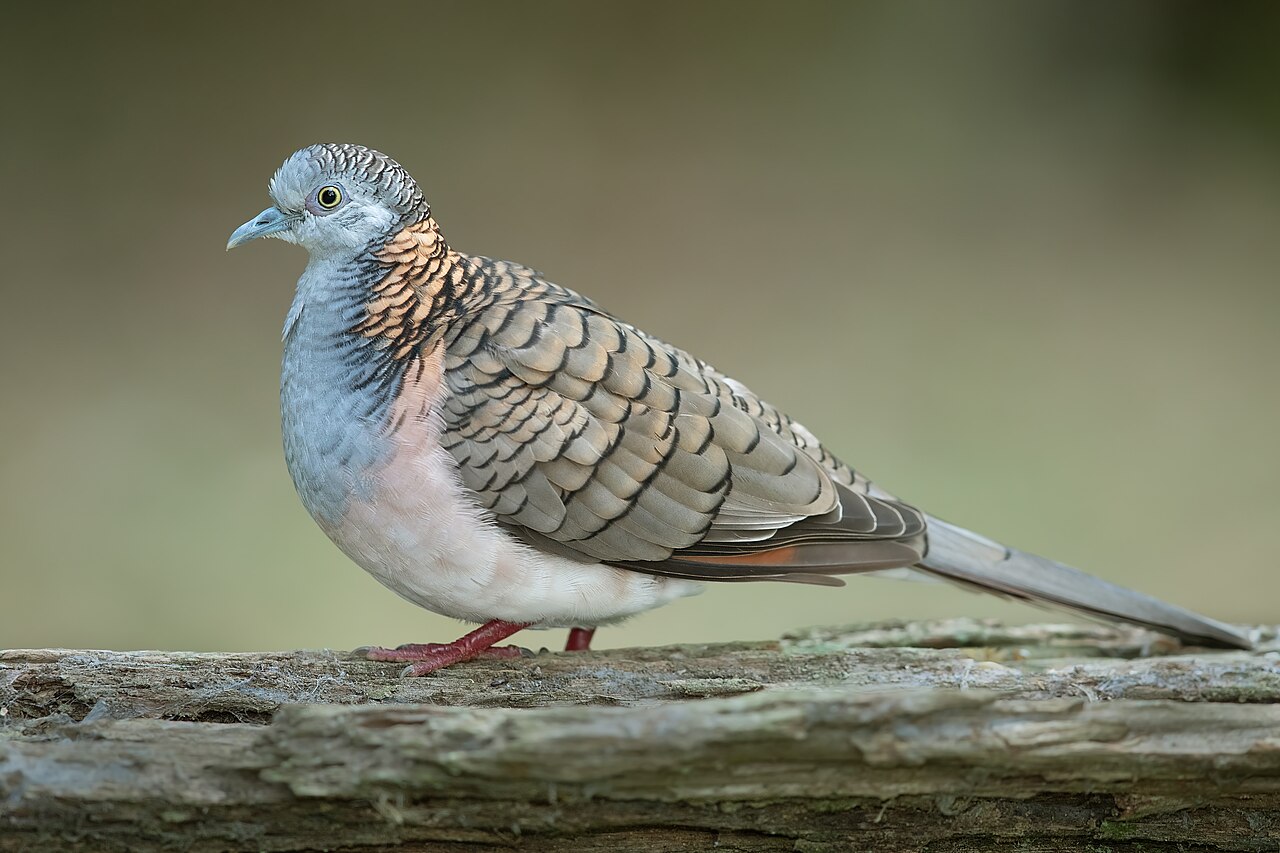
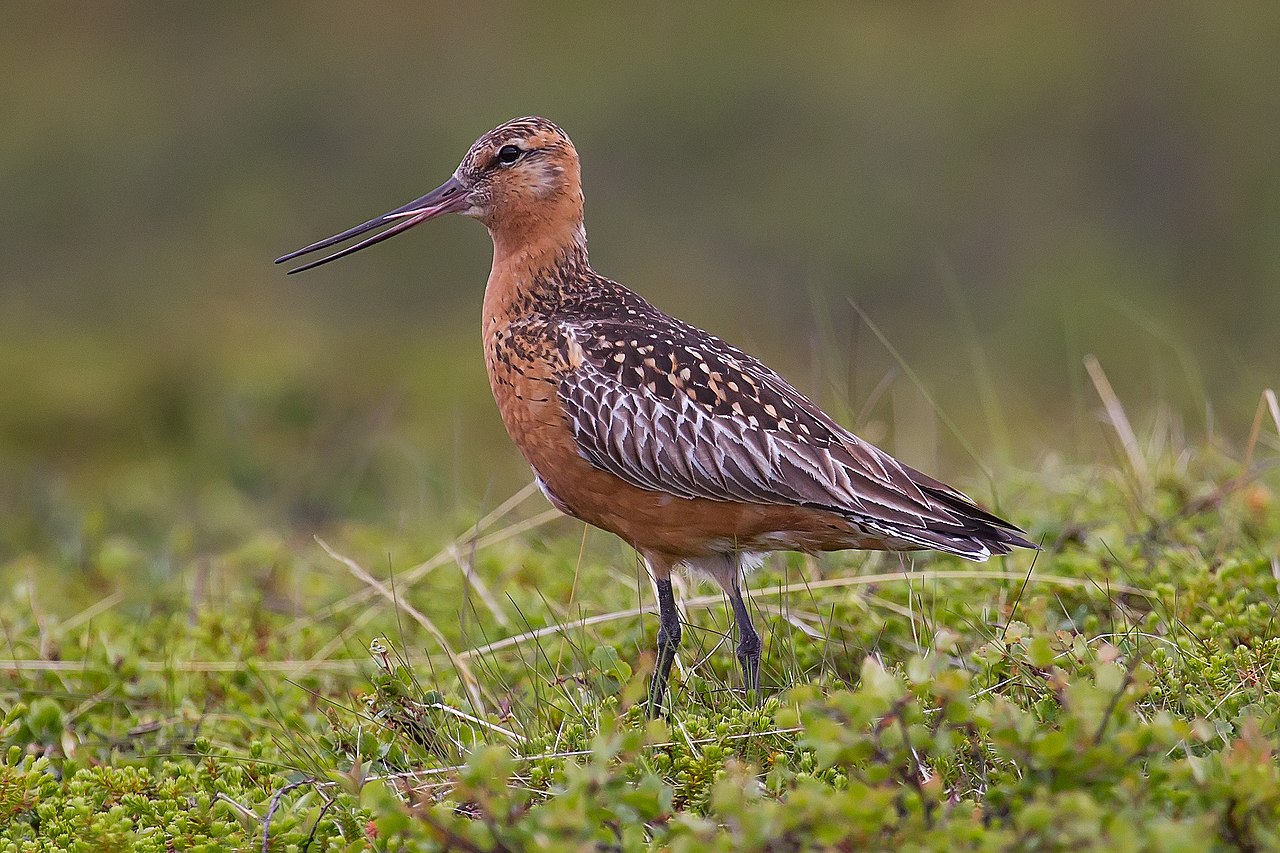
The bar-breasted honeyeater is a species of bird in the family Meliphagidae. It is endemic to northern Australia, with a breeding season from late spring to winter. It feeds primarily on nectar and invertebrates. The bird is also known as White-breasted honeyeater according Birds of Australia vol 11 by Gregory Mathews
Region
Northern Australia
Typical Environment
Occurs from the Kimberley of Western Australia across the Top End of the Northern Territory to the Gulf Country and far northwestern Queensland. Prefers tropical savanna woodlands, paperbark (Melaleuca) swamps, riparian corridors, and the edges of mangroves. Often found near permanent or seasonal water where flowering shrubs and trees are abundant. Uses pandanus stands and open woodland edges and will move locally following blooms.
Altitude Range
Sea level to 600 m
Climate Zone
Tropical
Ease of Keeping
Beginner friendly: 1/5
Also called the White-breasted Honeyeater in older literature, this species is a small, active member of the Australian honeyeater family. It breeds mainly from late spring into winter in the tropical north. Nests are neat, suspended cups often placed in paperbarks or pandanus near water. It frequently tracks flowering melaleucas and eucalypts, shifting locally as nectar supplies change.

Temperament
active and agile
Flight Pattern
short rapid wingbeats
Social Behavior
Usually seen singly, in pairs, or small family groups, and may join mixed-species foraging flocks in flowering trees. Territorial at rich nectar sources, with quick chases to exclude intruders. The nest is a suspended cup woven from plant fibers and bark strips, typically sited over or near water. Both parents contribute to feeding the young.
Migratory Pattern
Partial migrant
Song Description
Gives sharp, thin chipping calls and soft, musical twitters. Song phrases are brief and repeated, often delivered from mid-canopy while foraging. Contact calls carry well through paperbark and riparian vegetation.
Plumage
Olive-brown upperparts with clean whitish underparts densely barred with fine brown to blackish lines across the breast and flanks. The throat is paler, and the face shows subtle contrast with a faint dark eye-line. Feathers are sleek and close-fitting, giving a neat, compact appearance.
Diet
Feeds primarily on nectar from melaleucas, eucalypts, and grevilleas, supplemented by small insects and spiders. Gleans arthropods from foliage and bark and occasionally hawks short distances to snatch flying insects. Will take sugary lerps and honeydew when available, and may sip from flowers at multiple heights within the canopy.
Preferred Environment
Forages in flowering trees and shrubs along waterways, paperbark swamps, and open woodland edges. Frequently uses mid to upper canopy but will descend to lower shrubs when in bloom.