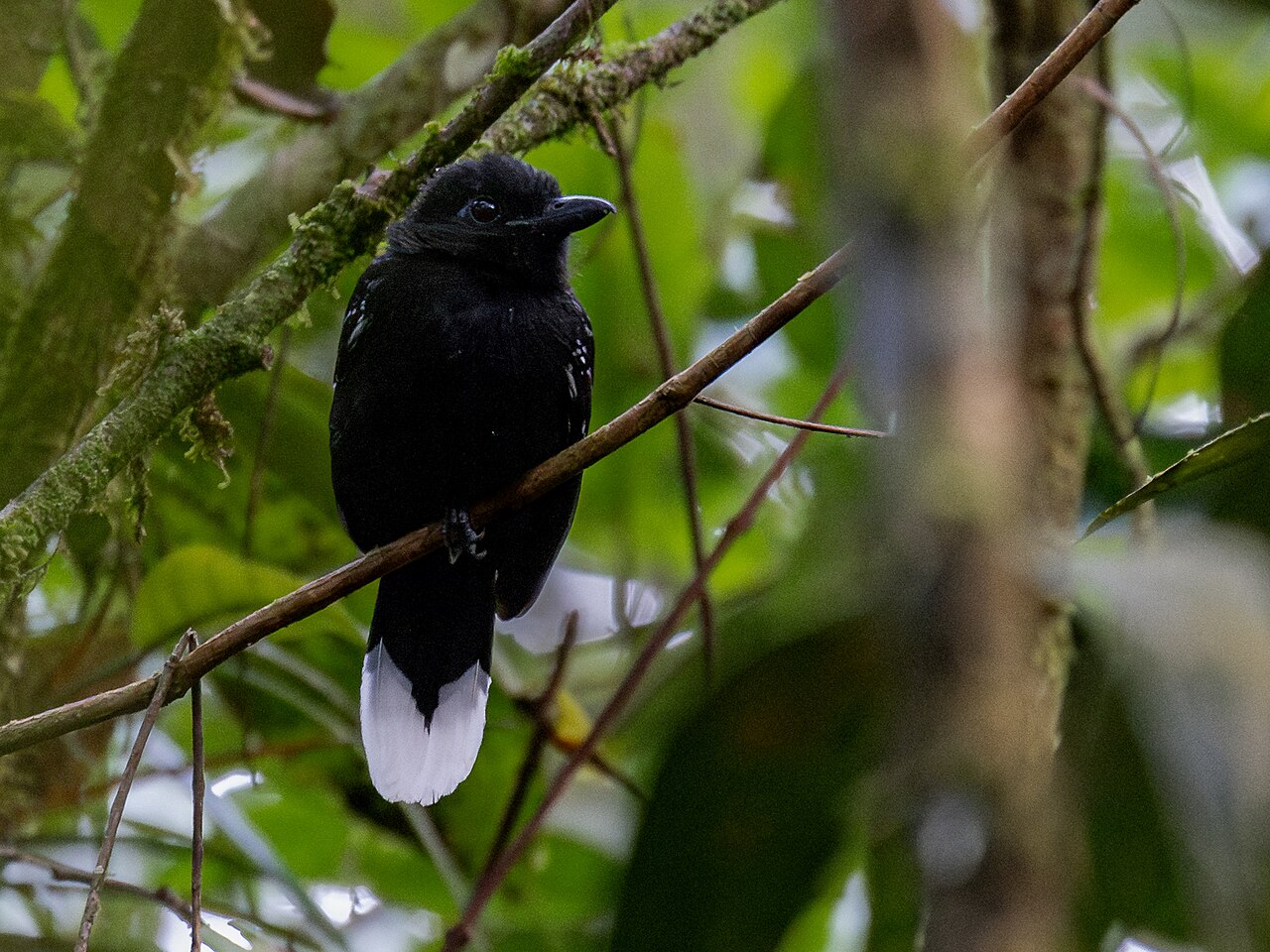
The band-bellied crake is a species of bird in the family Rallidae. It breeds in Manchuria, eastern China and northern Korea ; it winters throughout Southeast Asia.
Region
East and Southeast Asia
Typical Environment
Breeds in northeastern China and northern Korea, favoring lowland marshes, reedy margins, and wet meadows. During migration and winter it disperses widely across Southeast Asia, using rice paddies, flooded grasslands, drainage ditches, and shallow freshwater marshes. It keeps close to dense cover and may also appear in mangrove edges and coastal marshes during passage. The species is patchy and easily overlooked due to its skulking habits.
Altitude Range
0–1500 m
Climate Zone
Other
Ease of Keeping
Beginner friendly: 1/5
A small, very secretive rail, the band-bellied crake is far more often heard than seen as it slips through dense marsh cover. It breeds in northeastern East Asia and migrates south to winter across mainland Southeast Asia. It is closely tied to shallow wetlands and rice paddies, where habitat loss and drainage pose ongoing threats.

Temperament
secretive and skulking
Flight Pattern
short rapid wingbeats; reluctant flier
Social Behavior
Typically solitary or in pairs during the breeding season, maintaining small territories within dense wetland vegetation. Nests are well-concealed cups or platforms of grasses near water. Likely seasonally monogamous, with both parents involved in chick care.
Migratory Pattern
Seasonal migrant
Song Description
Vocalizations include sharp, repeated ticks and grating trills delivered from cover, especially at dusk and night. Calls can accelerate into short rattles that carry across marshes.
Plumage
Olive-brown upperparts with a greyer face and throat, rufous to cinnamon breast, and boldly barred black-and-white belly and flanks. Undertail often whitish, contrasting with barred lower underparts.
Diet
Takes small invertebrates such as insects, aquatic larvae, worms, and small snails. Also consumes seeds and tender plant matter, including rice grains when available. Forages by picking and probing along the edges of shallow water and mud.
Preferred Environment
Feeds in dense emergent vegetation, reedbeds, and grassy margins of wetlands. Frequently uses rice paddies, ditches, and seasonally flooded fields where cover and shallow water coincide.