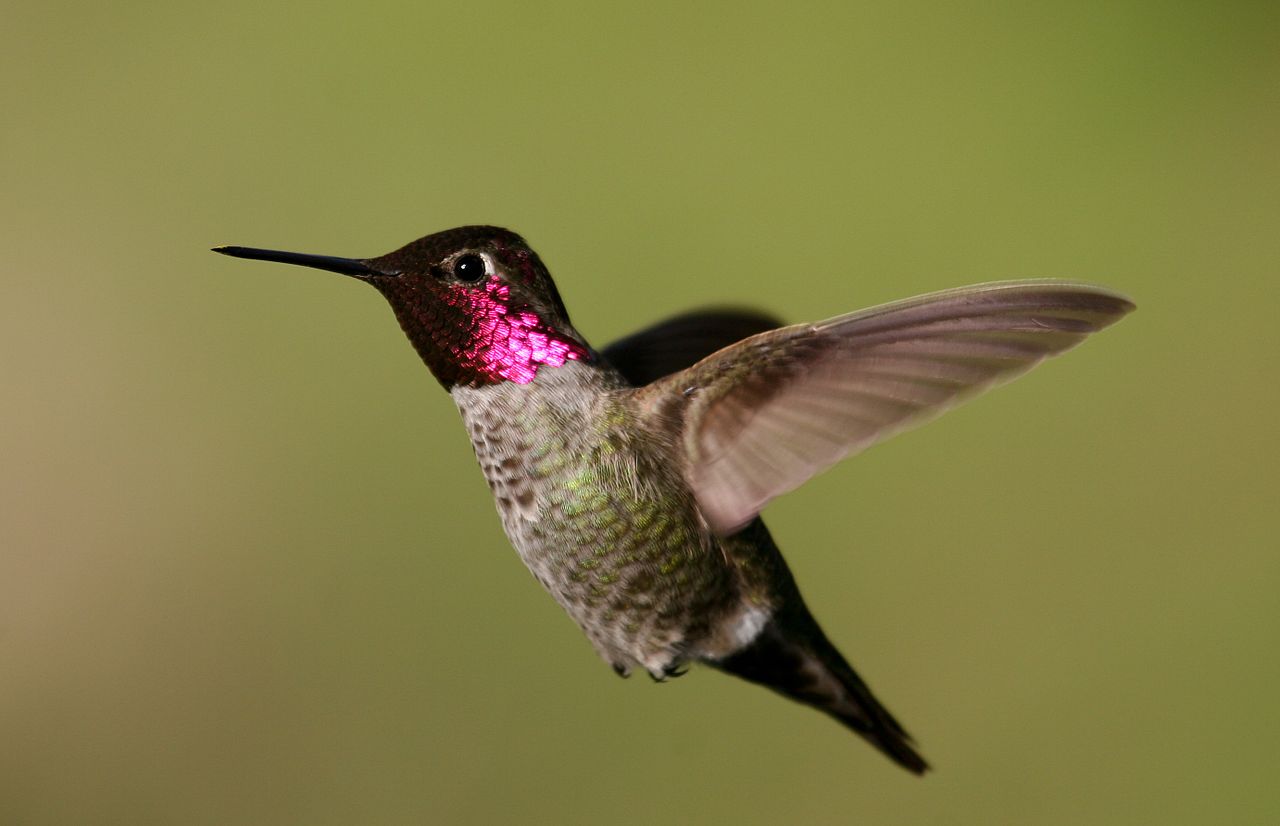
The Angola white-eye, is a small passerine bird in the white-eye family Zosteropidae. It is found from central Democratic Republic of the Congo to northern and central Angola. It was formerly considered to be conspecific with the northern yellow white-eye.
Region
Central Africa
Typical Environment
Occurs from northern and central Angola into adjacent central Democratic Republic of the Congo. It favors miombo and other dry woodlands, forest edges, riverine thickets, and secondary growth, and readily uses wooded gardens. The species is adaptable, moving through shrub layers and mid-canopy while foraging. It often concentrates where fruiting trees or flowering shrubs are abundant.
Altitude Range
200–2000 m
Climate Zone
Tropical
Ease of Keeping
Beginner friendly: 2/5
The Angola white-eye is a small, energetic songbird with the characteristic bold white eye-ring that gives the family its name. It frequents woodland edges and thickets and often forages in lively flocks, sometimes joining mixed-species parties. It was formerly treated as conspecific with the northern yellow white-eye, but differences in plumage and range support its treatment as a separate species.
Temperament
social and active
Flight Pattern
short rapid wingbeats
Social Behavior
Typically travels in small flocks outside the breeding season and frequently joins mixed-species foraging parties. Pairs form during the breeding period and build small cup nests suspended in shrubs or small trees. Both parents usually participate in caring for the young.
Migratory Pattern
Resident
Song Description
A high, tinkling series of twitters and trills delivered rapidly, interspersed with thin see-see contact notes. Calls are soft but persistent while foraging in canopy and edge vegetation.
Plumage
Olive-green upperparts with a yellow throat and breast grading to paler, whitish underparts; neat, crisp white orbital ring; fine, neat feathering giving a smooth appearance.
Diet
Gleans small insects and other arthropods from leaves and twigs. Takes soft fruits and berries and also sips nectar from flowering shrubs and trees. Opportunistic feeding allows it to exploit seasonal resources, especially fruiting figs and blooming woodland trees.
Preferred Environment
Feeds primarily in shrub layers and mid-canopy of woodland edges, thickets, and secondary forest. Also visits gardens and orchards where flowering and fruiting plants are available.