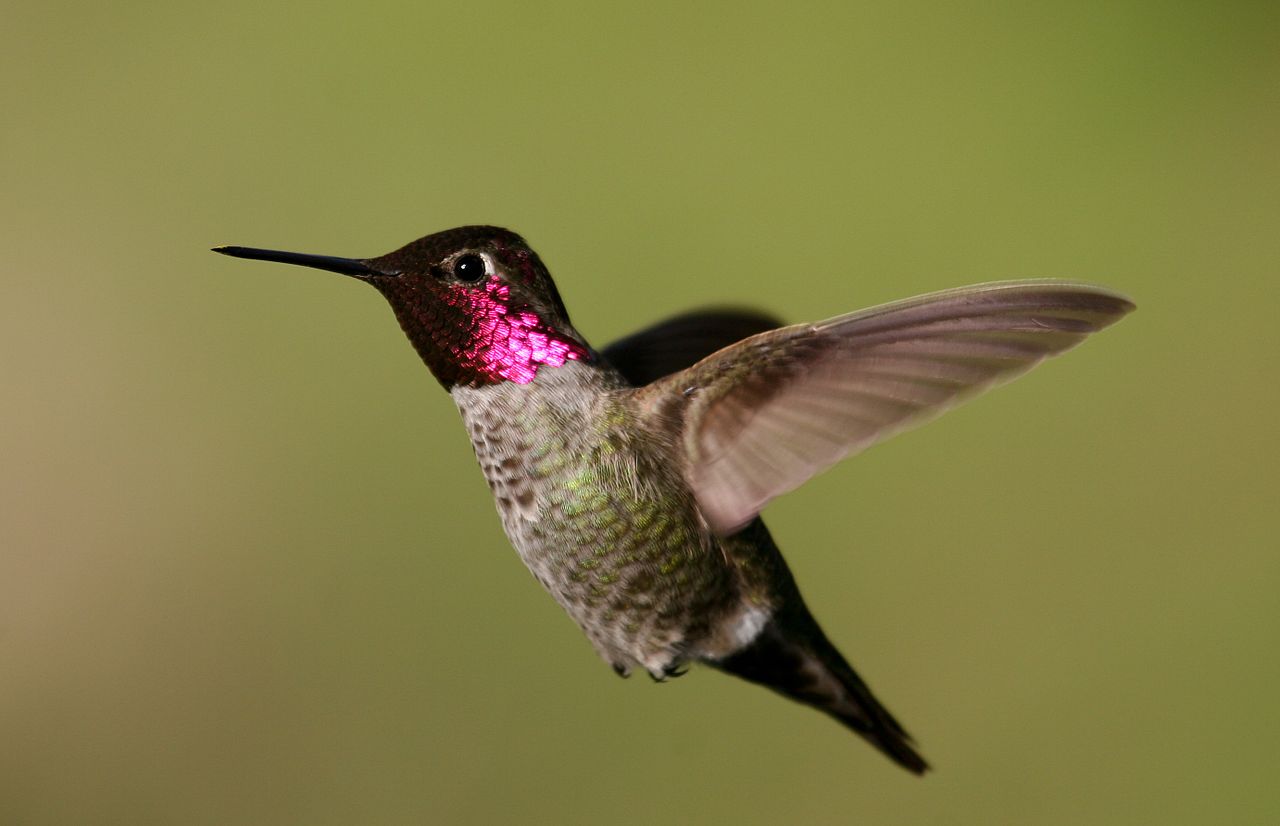
The Anjouan sunbird is a species of bird in the sunbird family, Nectariniidae. It is endemic to Anjouan island in the Comoros, where its natural habitats are subtropical or tropical moist lowland forests and subtropical or tropical moist montane forests. Male birds of this species are more colorful than females. The color of female bird is cloudy yellow, while male bird has 3-4 colors like black, brown, green and blue.
Region
Comoros Archipelago
Typical Environment
Endemic to Anjouan, occurring in subtropical and tropical moist lowland and montane forests, forest edges, and secondary growth. It also uses plantations (e.g., clove and ylang-ylang) and gardens where nectar sources are abundant. The species forages from understory to canopy, especially along edges and clearings. It tolerates moderately disturbed habitats provided flowering shrubs and trees are present.
Altitude Range
Sea level to 1600 m
Climate Zone
Tropical
Ease of Keeping
Beginner friendly: 1/5
The Anjouan sunbird is a small nectar-feeding bird that plays an important role as a pollinator of native and cultivated plants on Anjouan. Males show iridescent colors, while females are duller and yellowish below, aiding camouflage while nesting. It readily visits flowering trees in villages and plantations as well as forest edges. Like other sunbirds, it can hover briefly but usually perches while feeding.

Temperament
active and territorial
Flight Pattern
short rapid wingbeats with brief hovering
Social Behavior
Usually seen singly or in pairs and defends rich flower patches against intruders. Likely monogamous during the breeding season, with a pendant purse-like nest built predominantly by the female. Nests are placed in shrubs or low trees and clutch size is small.
Migratory Pattern
Resident
Song Description
A high-pitched, fast series of thin twitters and tsee-tsee notes, delivered from exposed perches. Calls include sharp chips and squeaky contact notes while foraging.
Plumage
Male with glossy, iridescent green to blue-green head and throat, darker brownish-black wings and tail, and darker underparts; female with olive-brown upperparts and cloudy yellow underparts. Both sexes have a slender, decurved bill and relatively plain wings.
Diet
Primarily nectar from a variety of native and cultivated flowering plants, taken while perching or by brief hovering. Supplements diet with small insects and spiders, especially during breeding to feed chicks. May also take small quantities of soft fruit or sap when available.
Preferred Environment
Feeds along forest edges, in clearings, gardens, and plantations where flowering shrubs and trees are abundant. Often works the mid to upper canopy, visiting blossoms systematically and moving between flower patches.