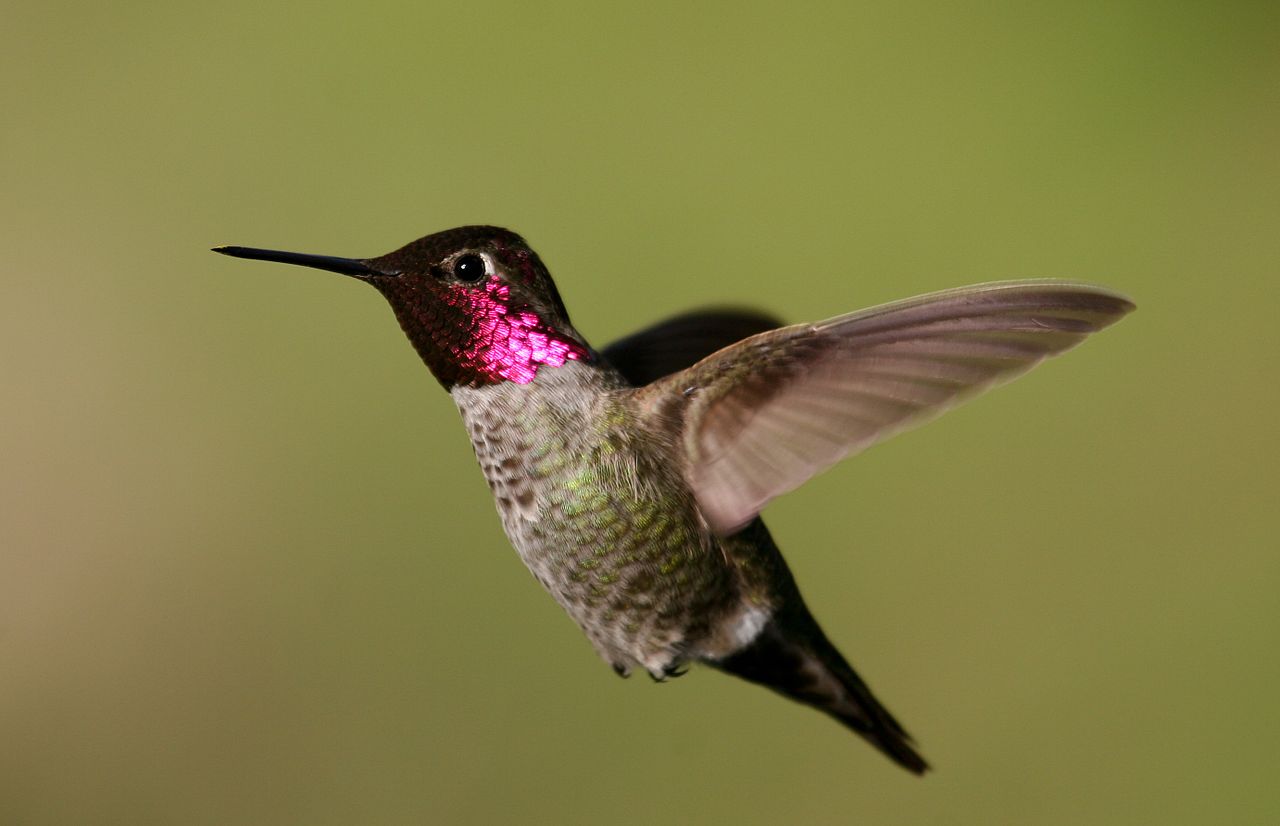
The ʻanianiau is a species of Hawaiian honeycreeper that is endemic to upper elevation forests on the island of Kauai.
Region
Kauaʻi, Hawaiian Islands
Typical Environment
Occurs in upper-elevation native forests dominated by ‘ōhi‘a lehua and koa on the Alaka‘i Plateau and around Koke‘e. It prefers wet and mesic montane habitats with dense canopy and native understory, including uluhe fern tangles. The species is largely restricted to areas above the disease line where mosquitoes are scarce. It uses both mature forest and edges, foraging along ridges and in gulches.
Altitude Range
900–1600 m
Climate Zone
Highland
Ease of Keeping
Beginner friendly: 1/5
The ʻanianiau is the smallest living Hawaiian honeycreeper and the sole member of its genus, Magumma. It is strongly tied to native ‘ōhi‘a forests, where it takes nectar and tiny arthropods. Populations are largely confined to higher elevations on Kaua‘i due to susceptibility to mosquito-borne avian diseases. Conservation focuses on protecting native forests and reducing disease-carrying mosquitoes.


Temperament
active and agile canopy forager
Flight Pattern
short rapid wingbeats with quick, darting flights between canopy gaps
Social Behavior
Usually found singly, in pairs, or small family groups, and often joins mixed-species flocks with other honeycreepers. Nests are cup-shaped and placed high in ‘ōhi‘a or similar native trees; the female builds and incubates while the male helps feed nestlings. Breeding typically occurs in spring to early summer.
Migratory Pattern
Resident
Song Description
Song is a series of thin, high-pitched trills and tinkling notes, delivered in short phrases. Calls include sharp tsit or tsee notes and soft buzzy chips, often given while actively foraging.
Plumage
Male is bright lemon-yellow and fairly uniform; female is duller yellow to yellow-olive with slightly greener upperparts. Plumage is smooth and lacks wing bars or bold streaking. Short tail and a fine, slightly decurved bill are distinctive.
Diet
Takes nectar primarily from ‘ōhi‘a lehua blossoms and other native flowers, probing with its slender curved bill. Supplements nectar with small insects and spiders gleaned from leaves, buds, and bark. Will hawk tiny insects in short sallies between perches.
Preferred Environment
Forages mostly in the mid to upper canopy of native montane forest, especially where ‘ōhi‘a is abundant. Uses forest edges, ridgelines, and gulch margins with dense native vegetation.