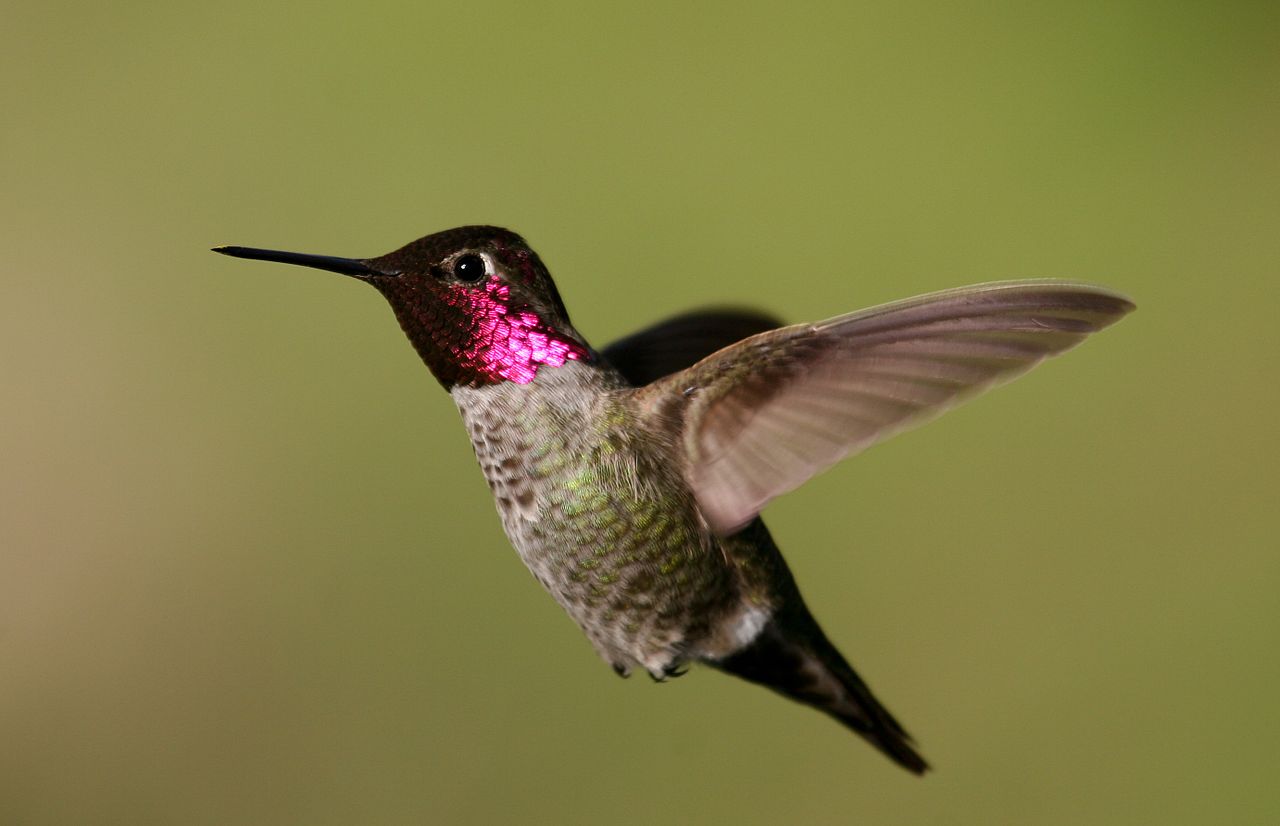
The Anjouan white-eye is a species of bird in the family Zosteropidae.
Region
Comoros Archipelago
Typical Environment
Confined to the island of Anjouan in the western Indian Ocean. It occupies a range of wooded habitats including evergreen forest remnants, secondary scrub, coconut groves, and agroforestry mosaics. The species frequently visits village gardens and edges where flowering and fruiting plants are abundant. It moves through mid-story and canopy layers, gleaning foliage and probing blossoms.
Altitude Range
Sea level to 1500 m
Climate Zone
Tropical
Ease of Keeping
Beginner friendly: 2/5
The Anjouan white-eye is a small, active passerine in the family Zosteropidae, notable for its bright white eye-ring. It adapts well to secondary growth, plantations, and gardens, which helps it persist despite habitat loss on Anjouan. Like many white-eyes, it forages in busy flocks outside the breeding season. Its thin, tinkling song and constant contact calls make it easier to detect than to see.
Temperament
social and active
Flight Pattern
short rapid wingbeats
Social Behavior
Often forms small, chattering flocks outside the breeding season and joins mixed-species foraging groups. Pairs build a small, neat cup nest suspended in shrubs or small trees. Both parents typically participate in nest building and chick rearing.
Migratory Pattern
Resident
Song Description
A thin, tinkling series of high-pitched notes interspersed with rapid trills. Contact calls are soft, sibilant chips given frequently while foraging.
Plumage
Olive-green upperparts with yellowish throat and breast, fading to whitish or pale gray underparts; neat, sleek plumage typical of white-eyes.
Diet
Takes small arthropods gleaned from leaves and twigs, including caterpillars, beetles, and aphids. Also consumes nectar from flowering shrubs and trees and feeds on small, soft fruits and berries. Occasionally sips from cultivated blooms in gardens.
Preferred Environment
Feeds in mid-story and canopy of forest edges, secondary growth, and plantations. Regularly forages in village gardens and along hedgerows where flowering plants are common.