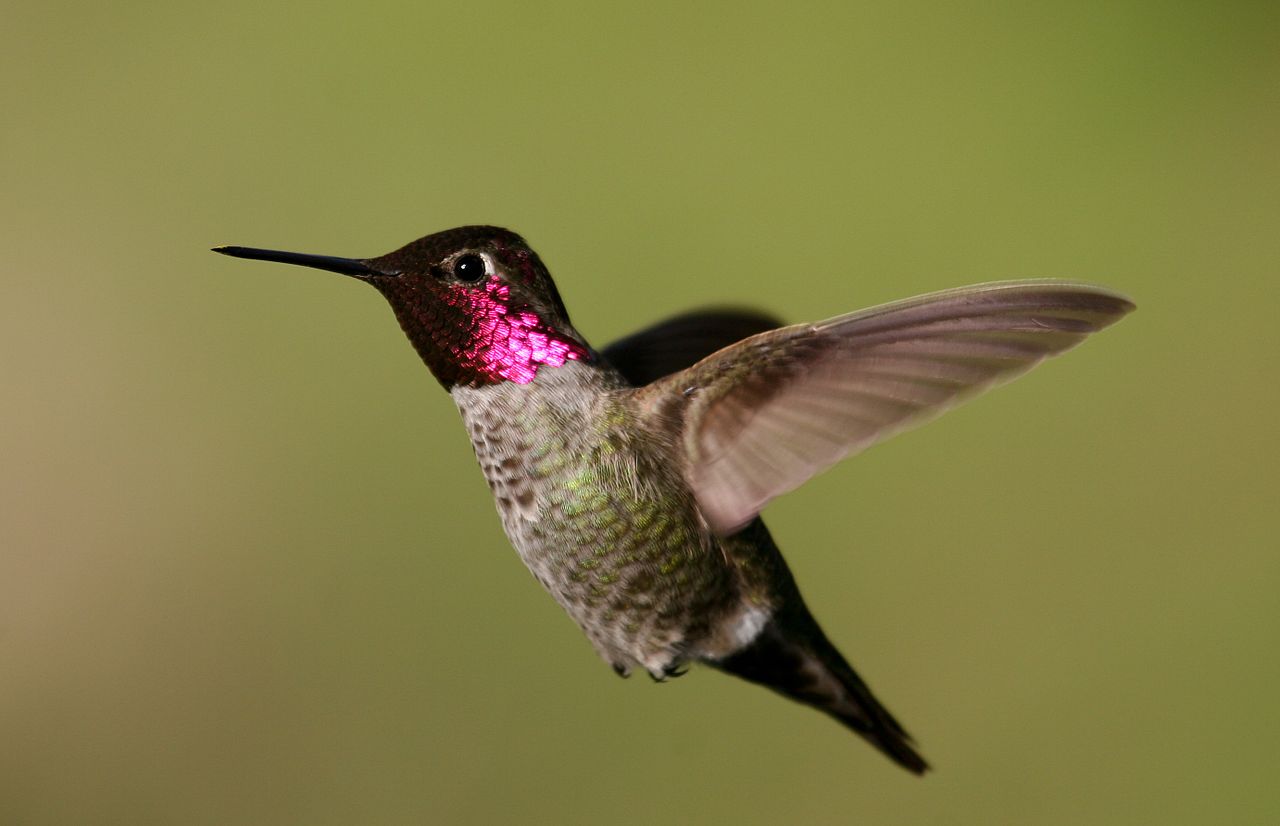
The Angola swallow is a species of swallow that is native to the Afrotropics.
Region
South-Central Africa
Typical Environment
Occurs widely in the Afrotropics from Angola into neighboring south-central African countries. It favors open woodland, moist savanna, and agricultural areas, especially near rivers, lakes, and wetlands where flying insects are abundant. The species adapts well to human-modified environments and often nests on buildings and bridges in towns and villages. It is generally a resident throughout its range, with local movements following rainfall and insect emergences.
Altitude Range
Sea level to 2500 m
Climate Zone
Tropical
Ease of Keeping
Beginner friendly: 1/5
The Angola swallow is a nimble aerial insect hunter that often forages over open country and near water. It readily uses human structures such as bridges and buildings for nesting, constructing neat mud cups under sheltered ledges. This species can be confused with other Hirundo swallows; look for its rufous throat and forehead with a dark breast band and glossy blue upperparts. By consuming large numbers of flying insects, it provides valuable natural pest control.


Temperament
social and active
Flight Pattern
short rapid wingbeats with agile swoops and glides
Social Behavior
Often seen in small flocks or loose colonies, especially around nesting sites. Builds cup-shaped mud nests on vertical surfaces under overhangs, frequently on bridges and buildings. Both sexes participate in nest building and feeding the young, with breeding typically timed to the rainy season.
Migratory Pattern
Resident
Song Description
Produces a soft, twittering series of chirps and warbles during flight and at perches. Calls are high-pitched and conversational, intensifying around nesting sites.
Plumage
Glossy blue upperparts with paler underparts divided by a dark blue-black breast band; throat and forehead warm rufous. Tail moderately forked with sleek, pointed feathers.
Diet
Feeds almost entirely on flying insects such as flies, beetles, termites, and swarming ants. It captures prey on the wing with superb agility, often at varying heights over open ground and water. During termite emergences it gathers in mixed flocks to exploit the abundant food. Occasionally takes small aerial spiders and other tiny arthropods.
Preferred Environment
Forages over savanna, open farmland, river corridors, and lake edges. Frequently hunts above villages and roads where insects concentrate, and along forest edges and clearings.