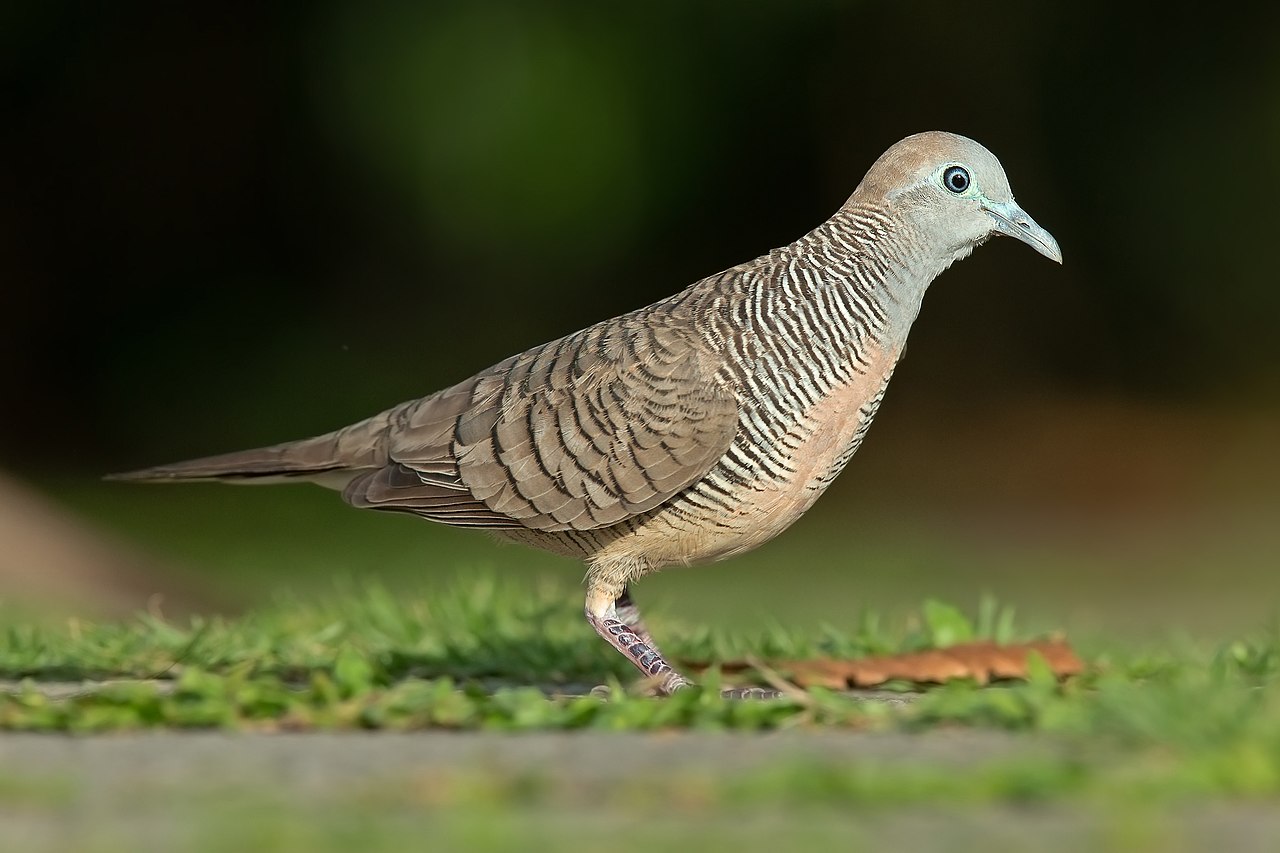
The Zanzibar red bishop is a species of bird in the family Ploceidae. It is found in Kenya, Mozambique, and Tanzania.
Region
East Africa
Typical Environment
Occurs along the coastal lowlands of Kenya, Tanzania (including Zanzibar), and northern Mozambique. It favors marshes, reedbeds, papyrus fringes, wet grasslands, and rice paddies. During the non-breeding season it also uses drier savanna edges and cultivated fields. It often thrives in human-modified wetlands and agricultural mosaics. Nesting is typically over water in dense emergent vegetation.
Altitude Range
Sea level to 1500 m
Climate Zone
Tropical
Ease of Keeping
Beginner friendly: 2/5
Males turn brilliant red and black in the breeding season, then molt back to a drab, sparrow-like brown outside it. The black belly is a key field mark that separates it from other red bishops. They breed in colonies in reedbeds, where males weave multiple nests to attract females. Polygyny is common, with one male courting several females.


Egg, Collection Museum Wiesbaden
Temperament
social and active
Flight Pattern
short rapid wingbeats with bouncy display flights
Social Behavior
Breeds colonially in dense emergent vegetation, where males weave several oval nests to entice females. Polygynous mating is common, and males defend small display territories in the reeds. Females handle most incubation and chick-rearing, while males continue display and territory defense.
Migratory Pattern
Resident
Song Description
Male display includes a scratchy, buzzing series of trills and chatters delivered from reed perches or in fluttering flight. Calls are sharp chips and rattles that help maintain contact within flocks.
Plumage
Breeding males are striking with velvety black face, throat, and belly contrasting with bright red crown, mantle, and rump; non-breeding males and females are buffy-brown and heavily streaked.
Diet
Primarily consumes grass and sedge seeds, including cultivated grains such as rice and millet. Supplements diet with small insects and other invertebrates, especially during breeding to feed nestlings. Will also take flower parts and soft plant material when available. Feeds opportunistically in agricultural fields and along wetland margins.
Preferred Environment
Forages in flocks on the ground and low vegetation in wetlands, rice paddies, and damp grasslands. Also feeds along paths, field edges, and fallow plots near water. Outside the breeding season, larger mixed flocks may roam widely across open country.