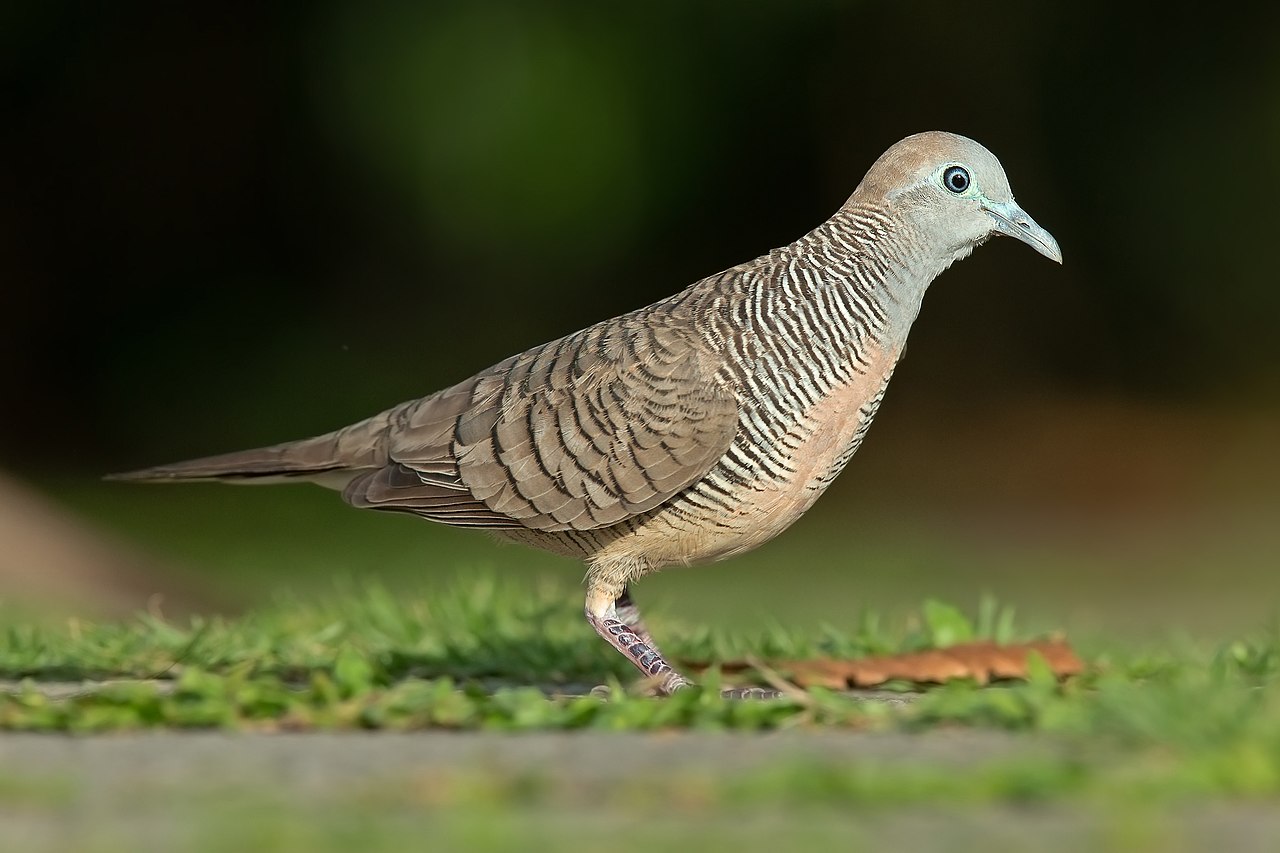
The Zapata wren is a medium-sized grayish-brown bird that lives in dense shrubs of the Zapata Swamp, Cuba. It is the only member of the monotypical genus Ferminia, which is endemic to Cuba and endangered. This species was first described in 1926 by Thomas Barbour and named after its co-discoverer, Fermín Zanón Cervera.
Region
Caribbean
Typical Environment
Restricted to seasonally flooded marshes and low shrub thickets of the Zapata Swamp on the Zapata Peninsula. It favors dense sawgrass and sedge tussocks interspersed with scattered shrubs and patches of cutgrass. Birds keep close to the ground or low vegetation, often moving through tangles where visibility is poor. It avoids open water and tall forest and relies on intact wetland structure.
Altitude Range
Sea level to 20 m
Climate Zone
Tropical
Ease of Keeping
Beginner friendly: 1/5
The Zapata wren is the only member of the genus Ferminia and is confined to the Ciénaga de Zapata (Zapata Swamp) of Cuba. Despite being highly secretive in dense marsh, it delivers a loud, rich, and far‑carrying song. It faces ongoing threats from habitat loss, fires, drainage, invasive predators, and severe weather events.

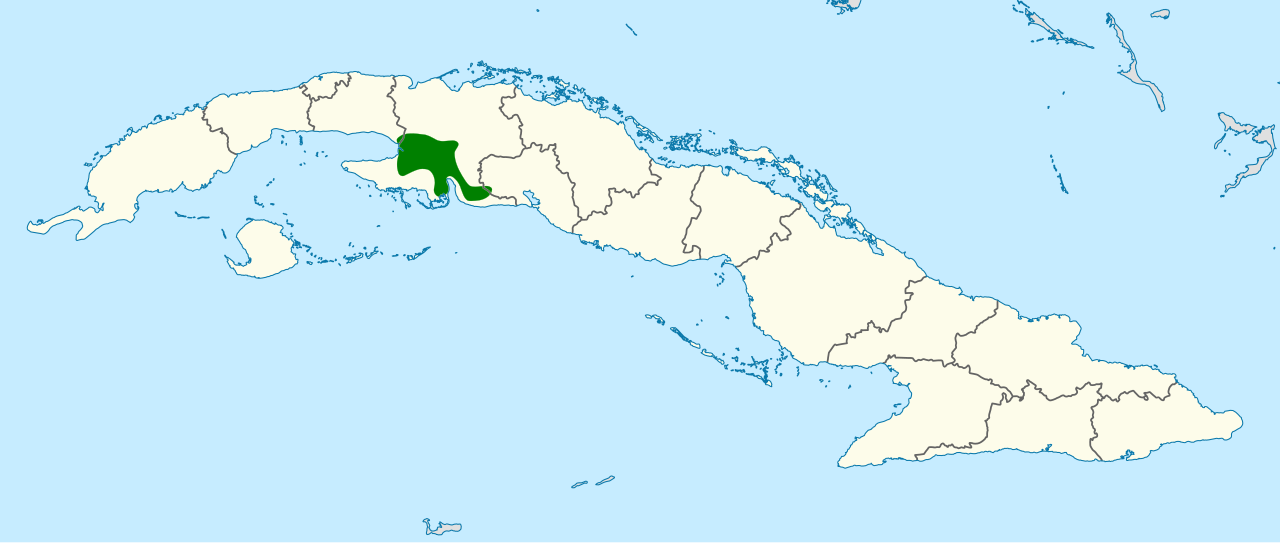

Zapata wren, 2025
Temperament
solitary and territorial
Flight Pattern
short rapid wingbeats, low darting flights over dense marsh
Social Behavior
Usually encountered singly or in pairs, maintaining territories year-round. Pairs are thought to be monogamous and nest low in dense vegetation, often constructing domed nests concealed in sedges or shrubs. The species spends much of its time skulking in cover and rarely ventures into open areas.
Migratory Pattern
Resident
Song Description
A loud, rich, and melodious series of whistles, trills, and warbles that carries far across the marsh. Calls include sharp chips and scolds when alarmed, but the song is notably complex for a marsh-dwelling wren.
Plumage
Warm brown upperparts with fine darker mottling, grayish head and nape, and buffy underparts with faint dark barring on the flanks and tail.
Diet
Primarily consumes insects and other small invertebrates such as beetles, spiders, and larvae picked from leaves, stems, and the ground. It may take small snails or other marsh invertebrates when available. Occasional plant matter may be ingested incidentally.
Preferred Environment
Forages within dense sedge and sawgrass, probing leaf bases, tangles, and damp ground at the edges of shallow water. Most feeding occurs under cover, with brief forays to slightly more open patches near shrubs or tussocks.