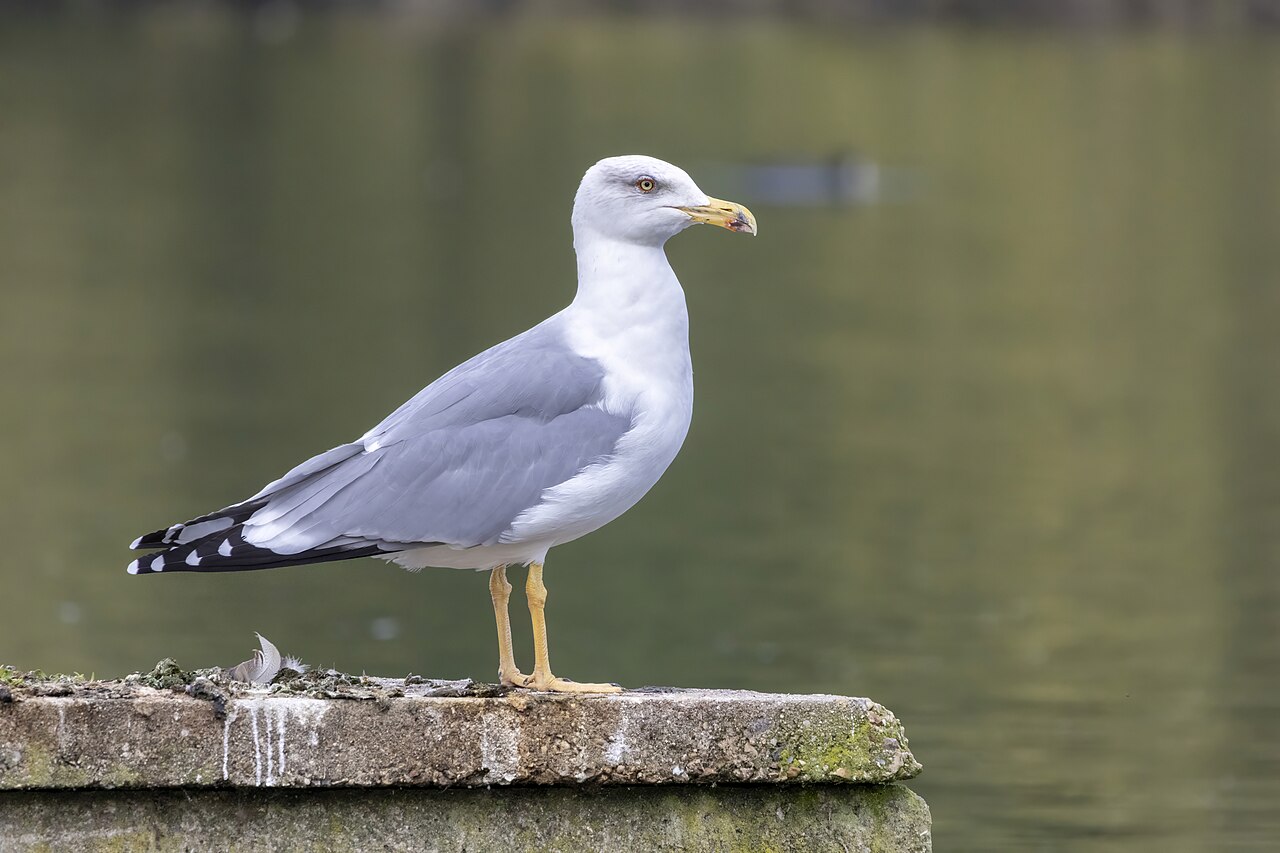
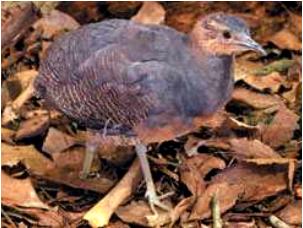
The yellow-legged flyrobin or yellow-legged flycatcher is a species of passerine bird in the Australasian robin family Petroicidae. It is found in New Guinea and Cape York Peninsula. Its natural habitats are subtropical or tropical moist lowland forest and subtropical or tropical moist montane forest.
Region
New Guinea and northern Australia (Cape York Peninsula)
Typical Environment
Occurs widely in New Guinea and extends to the Wet Tropics of far north Queensland on the Cape York Peninsula. It inhabits tropical moist lowland and lower montane forests, including primary rainforest, edges, riparian corridors, and well-wooded secondary growth. Birds often remain in the shaded understory to mid-story but will use light gaps for foraging. It tolerates moderately disturbed habitats and can approach forest margins and clearings.
Altitude Range
Sea level to 2000 m
Climate Zone
Tropical
Ease of Keeping
Beginner friendly: 2/5
Also known as the yellow-legged flycatcher, it belongs to the Australasian robin family (Petroicidae) and is often placed in the genus Kempiella after splits from Microeca. It typically hunts by sallying from low perches to snatch flying insects, with the bright yellow legs being a distinctive field mark. It is generally inconspicuous and quiet, favoring shaded forest interiors and edges. The species shows little seasonal movement and maintains territories year-round.

Temperament
quiet, alert, and active
Flight Pattern
short rapid wingbeats with frequent short sallies from low perches
Social Behavior
Usually seen singly, in pairs, or in small family groups, maintaining small territories. Builds a small cup nest placed low to mid-height in forest vegetation. Both parents typically participate in feeding the young. It may accompany mixed-species foraging flocks in some areas.
Migratory Pattern
Resident
Song Description
Song consists of soft, thin whistles and brief trilled phrases, often delivered from a shaded perch. Calls include sharp ticks and seet notes used for contact and alarm. Vocalizations are not loud and can be easily overlooked in dense forest.
Plumage
Neat, compact flyrobin with a grey head, olive-brown upperparts, and pale whitish to buff underparts with a clean throat. Subtle pale wing panel and fine edging on the wing coverts. The bright yellow legs are conspicuous and diagnostic. Bill short and straight with a slightly broad base typical of flycatchers.
Diet
Primarily takes small flying insects such as flies, beetles, and moths, captured by aerial sallies from a perch. Also gleans small arthropods from leaves and branches. Occasionally snatches prey from the ground or low foliage. Foraging bouts are interspersed with short pauses as it scans from a low to mid-level perch.
Preferred Environment
Forages within the forest understory and mid-story, along edges, and around light gaps. Frequently uses shaded riparian corridors and sheltered gullies where insect activity is concentrated.