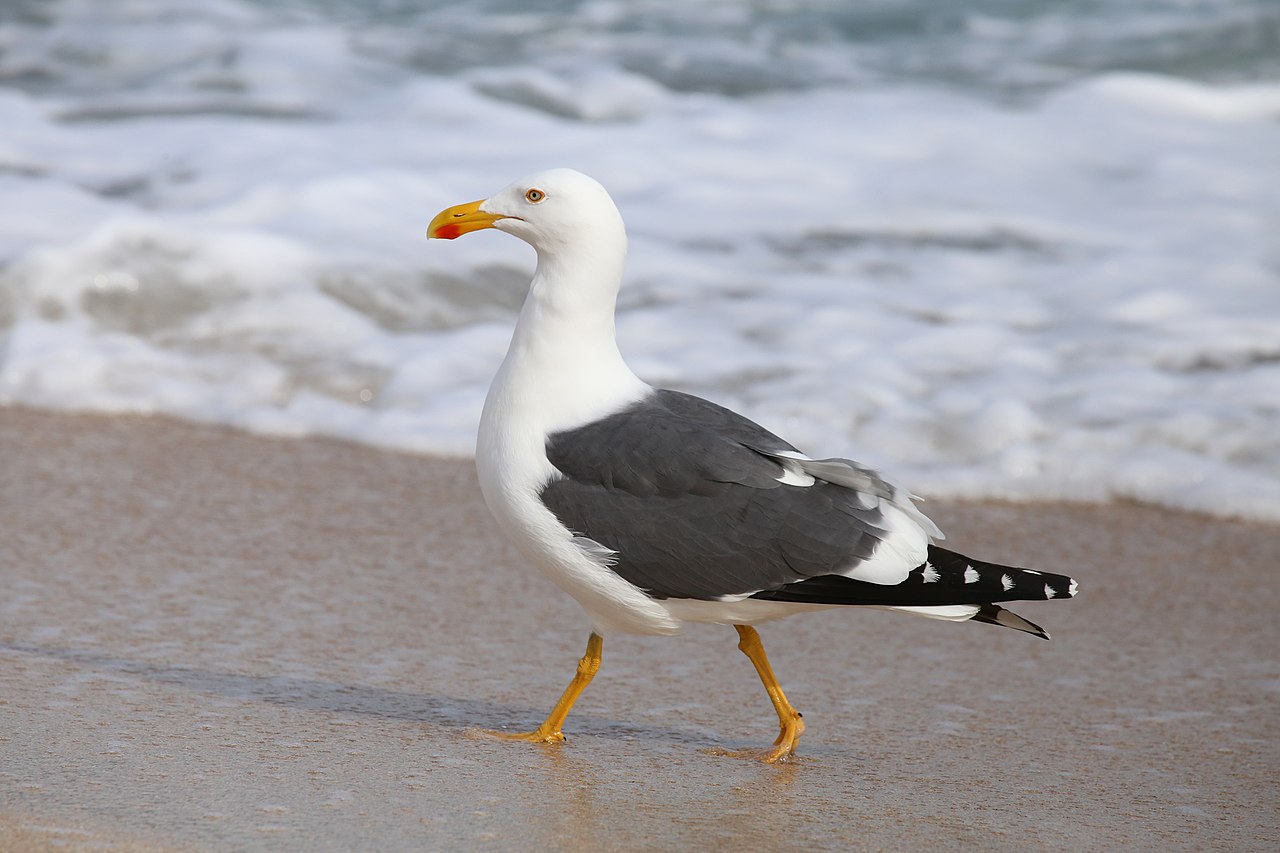
The yellow-footed flycatcher or yellow-footed alseonax is a species of bird in the family Muscicapidae. It is found in Cameroon, Central African Republic, Republic of the Congo, Democratic Republic of the Congo, Equatorial Guinea, Gabon, Nigeria, and Uganda. Its natural habitat is subtropical or tropical moist lowland forests.
Region
Central Africa (Congo Basin and adjacent forests)
Typical Environment
Occurs in lowland tropical moist forests across parts of Nigeria, Cameroon, Equatorial Guinea, Gabon, Central African Republic, Republic of the Congo, Democratic Republic of the Congo, and western Uganda. It favors primary and mature secondary rainforest, often near streams and in dense understory. The species also uses forest edges, light gaps, and selectively logged areas so long as canopy cover remains. It is generally tied to shaded, humid habitats with rich insect availability.
Altitude Range
Sea level to 1200 m
Climate Zone
Tropical
Ease of Keeping
Beginner friendly: 1/5
A small, inconspicuous forest flycatcher, it is best recognized by its striking yellow feet and tarsi, a rare feature among African Muscicapa. It typically forages by sallying out from low, shaded perches to snatch insects. The species often joins mixed-species flocks in the rainforest understory.
Temperament
shy and inconspicuous
Flight Pattern
short rapid wingbeats with quick sallying flights
Social Behavior
Usually solitary or in pairs in the forest understory, sometimes joining mixed-species foraging flocks. Likely monogamous, building a small cup nest placed low to mid-level in foliage or on a fork. Both parents are thought to participate in feeding the nestlings.
Migratory Pattern
Resident
Song Description
Vocalizations are soft and high-pitched, consisting of thin whistles and short, dry tsip calls. The song is subdued and easily overlooked amid rainforest insect noise.
Plumage
Plain brown-olive upperparts with paler grayish-buff underparts; subtle darker auriculars and slightly paler throat. Feathers are smooth and unpatterned, giving a clean, understated look typical of many Muscicapa.
Diet
Feeds primarily on small flying insects such as flies, gnats, termites, and small beetles. It captures prey on short aerial sallies from a shaded perch and occasionally gleans from foliage. Opportunistically takes arthropods flushed by other birds in mixed-species flocks.
Preferred Environment
Forages in shaded understory and lower midstory of humid lowland forest. Often hunts along trails, light gaps, and near streams where insect densities are high.