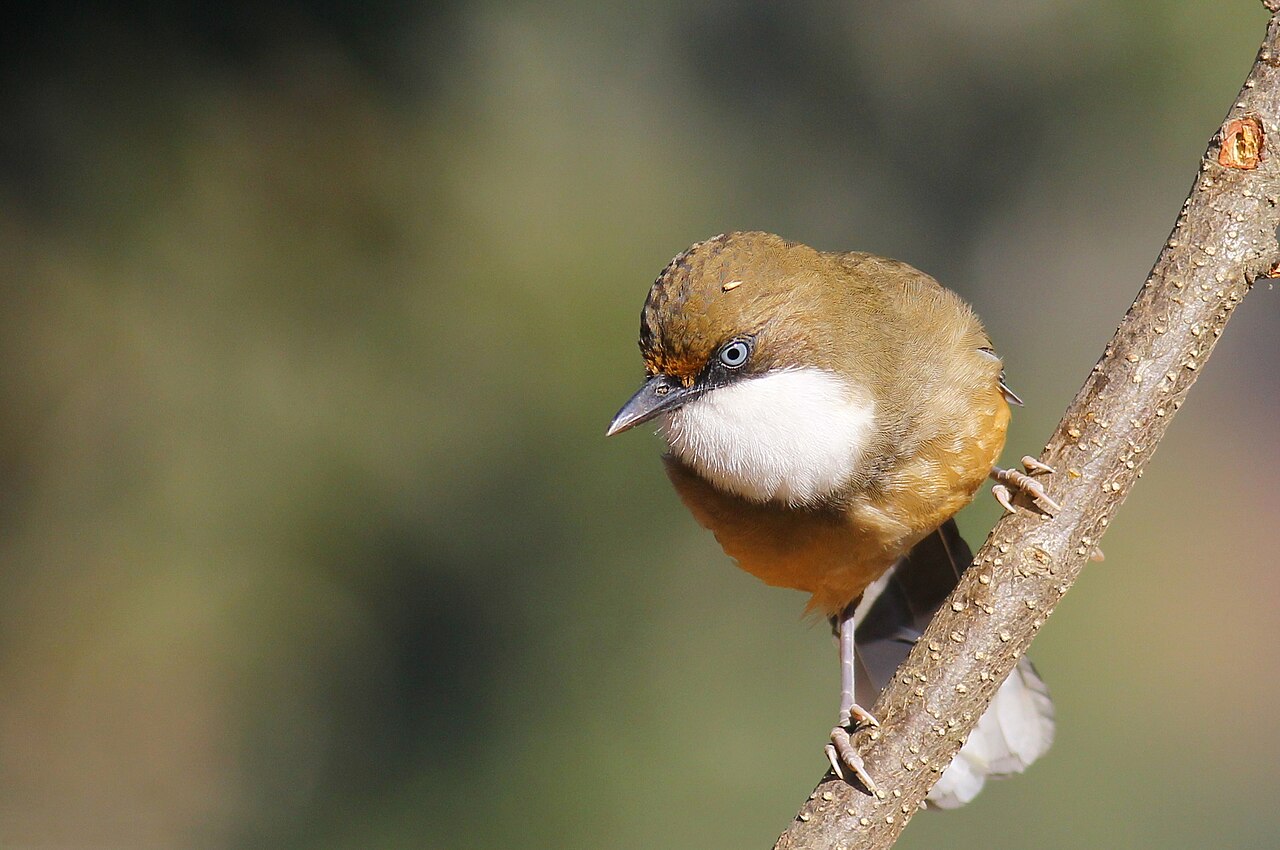
The white-throated kingbird is a species of bird in the family Tyrannidae, the tyrant flycatchers. It is found in Bolivia, Brazil, Ecuador, Guyana, Peru, Suriname, and Venezuela, in French Guiana as a vagrant, and possibly in Argentina and Colombia.
Region
Northern South America and Amazon Basin
Typical Environment
Occurs in Bolivia, Brazil, Ecuador, Guyana, Peru, Suriname, and Venezuela; it is a vagrant to French Guiana and possibly reaches Argentina and Colombia. It favors forest edges, riverine gallery forests, wooded savannas, and secondary growth with scattered tall trees. Often found near watercourses and seasonally flooded forests where perches are abundant. It adapts well to human-altered landscapes with open areas and scattered trees.
Altitude Range
0–1200 m
Climate Zone
Tropical
Ease of Keeping
Beginner friendly: 1/5
A conspicuous tyrant flycatcher, the white-throated kingbird often perches on exposed branches or wires and sallies out to catch flying insects. Its crisp white throat contrasts with a gray head and yellow underparts, helping distinguish it from similar kingbirds. It frequents forest edges, gallery forests, and savanna-like habitats across northern South America. It is generally common where suitable open habitats are available.


Temperament
alert and territorial
Flight Pattern
short rapid wingbeats with sallies from exposed perches
Social Behavior
Typically seen singly or in pairs during the breeding season, defending prominent perches. Outside breeding, may forage in loose associations where insects are abundant. Nests are shallow cups placed on horizontal branches or in tree forks; both adults participate in territory defense.
Migratory Pattern
Partial migrant
Song Description
Vocalizations include sharp, squeaky chips and chatter-like series delivered from high perches. Dawn voices can be more varied, with repeated short phrases and scolds during territorial interactions.
Plumage
Upperparts olive-brown to gray-olive with darker wings edged pale; underparts yellow with a sharply white throat and upper breast. Head gray with a subtle dark mask through the eye and a dusky bill. Tail brownish with faint pale edging.
Diet
Primarily aerial insects such as beetles, flies, and wasps, captured by sallying from exposed perches. Also gleans insects from foliage and occasionally takes small fruits and berries, especially in the nonbreeding season. Will opportunistically exploit swarms or edge habitats where prey is concentrated.
Preferred Environment
Forages along edges of forests, rivers, and clearings, using tall snags, wires, or canopy gaps as hunting stations. Frequently hunts above open ground or water where flying insects are plentiful.