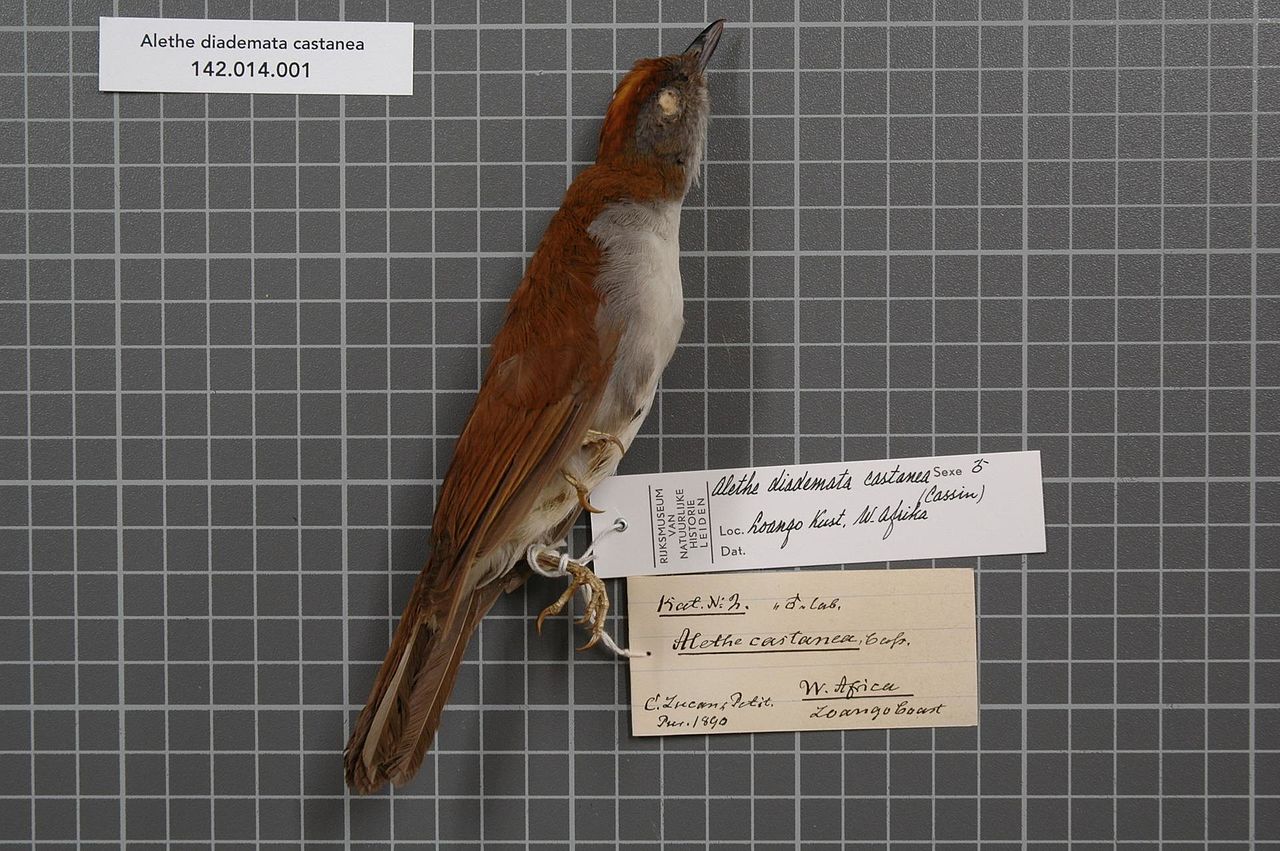
The white-striped woodcreeper is a species of bird in the subfamily Dendrocolaptinae of the ovenbird family Furnariidae. It is endemic to Mexico.
Region
Mexican Highlands
Typical Environment
Occurs in montane forests of western, central, and southern Mexico, including the Sierra Madre Occidental, Trans-Mexican Volcanic Belt, and Sierra Madre del Sur. Prefers pine, pine–oak, fir, and cloud forests, using both mature and well-structured secondary stands. Common along forested ravines and edges where large trees remain. Typically forages from the midstory to the canopy, moving methodically along trunks and large limbs.
Altitude Range
900–3000 m
Climate Zone
Highland
Ease of Keeping
Beginner friendly: 1/5
A member of the woodcreeper subfamily, it specializes in hitching up trunks and probing bark with its long, decurved bill. It often joins mixed-species flocks, helping control forest insect populations. Though locally affected by forest loss, it remains generally common in suitable highland habitat.


Temperament
shy and methodical
Flight Pattern
short rapid wingbeats between trees; mostly climbs rather than flies within territories
Social Behavior
Usually solitary or in pairs and frequently joins mixed-species feeding flocks. Territorial during the breeding season and likely monogamous. Nests in cavities, often using natural holes or old woodpecker nests, with both adults participating in care.
Migratory Pattern
Resident
Song Description
A series of clear, thin whistles that may accelerate or slightly descend, often given from mid-canopy perches. Calls include sharp ticking notes and brief chatter used in contact within pairs.
Plumage
Warm brown upperparts with bold white streaking on the crown, nape, and mantle; underparts buffy to whitish with dusky streaks. Wings and tail are rich rufous, contrasting with the browner back. Feathers lie sleek and tight against the body, accentuating the elongated profile.
Diet
Feeds primarily on arthropods such as beetles, ants, caterpillars, and spiders. Probes bark crevices, moss, and epiphytes and picks prey from trunks and large limbs. Occasionally sallies a short distance to snatch exposed insects.
Preferred Environment
Forages on medium to large trees in pine–oak and cloud forests, especially where epiphytes and flaky bark are abundant. Often works along vertical trunks and undersides of branches from midstory to canopy, and sometimes along forest edges and shaded plantations.