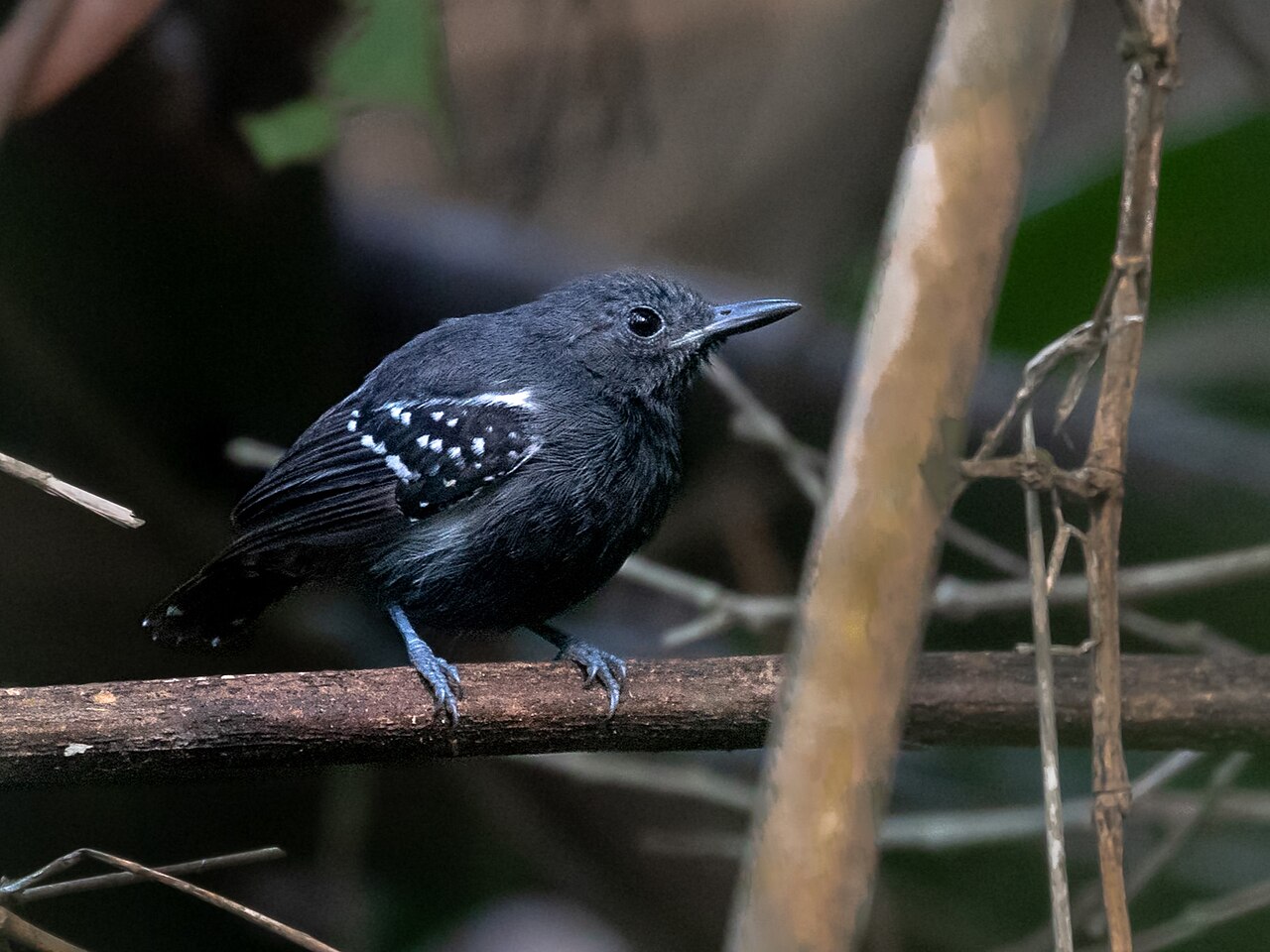
The white-faced plover is a small shorebird predominantly found along the coastal shores of subtropical and tropical eastern Asia. Initially described by British ornithologist Robert Swinhoe, the bird resembles the east Asian subspecies of the Kentish plover with which it has been much confused and sometimes considered to be a subspecies.
Region
East and Southeast Asia
Typical Environment
Occurs along subtropical and tropical coasts from southeastern China and Hainan through Vietnam, Thailand, and Peninsular Malaysia, with non-breeding records further south. It uses open sandy beaches, sand spits, tidal flats, and the edges of coastal lagoons and estuaries. Nests are shallow scrapes placed on sparsely vegetated sand or shelly substrates above the high-tide line. Outside the breeding season it frequents wide, gently sloping shores with firm wet sand where prey is accessible.
Altitude Range
Sea level to 50 m
Climate Zone
Subtropical
Ease of Keeping
Beginner friendly: 1/5
The white-faced plover is a small coastal plover distinguished by its strikingly pale face and clean white underparts. It was long confused with the Kentish plover and has only recently been treated as a distinct species by several authorities. It favors open sandy beaches and tidal flats, where its pale, sandy upperparts provide excellent camouflage. Coastal development and human disturbance on beaches are potential pressures on local populations.

Temperament
wary and alert on open beaches
Flight Pattern
short rapid wingbeats; low, direct flight over surf and sand
Social Behavior
Breeds in dispersed pairs or loose colonies on open sandy substrates, with both adults sharing incubation and chick care. Outside the breeding season it gathers in small flocks, often mixed with other small shorebirds. Territorial on nesting grounds but more tolerant in non-breeding areas.
Migratory Pattern
Partial migrant
Song Description
Vocalizations are soft, high-pitched piping notes and thin whistles, often given in short series. Alarm calls are sharper and more insistent when intruders approach nests or chicks.
Plumage
Pale sandy-brown upperparts with clean white face, throat, and underparts; breast band usually narrow or incomplete. Fine feathering with smooth, sleek contour suitable for coastal winds. In breeding males, limited darker markings around the lores and forehead may develop.
Diet
Feeds mainly on small invertebrates including marine worms, tiny crabs, amphipods, and insect larvae. Uses a run–stop–peck foraging style, visually detecting and picking prey from the surface or just below it. Will probe shallowly in wet sand and glean along tidelines for stranded invertebrates.
Preferred Environment
Forages on firm, wet sand of intertidal flats, gently sloping surf-edges, and mud–sand mixes near estuary mouths. Also feeds around tidal pools and the edges of coastal lagoons where prey is concentrated by receding water.