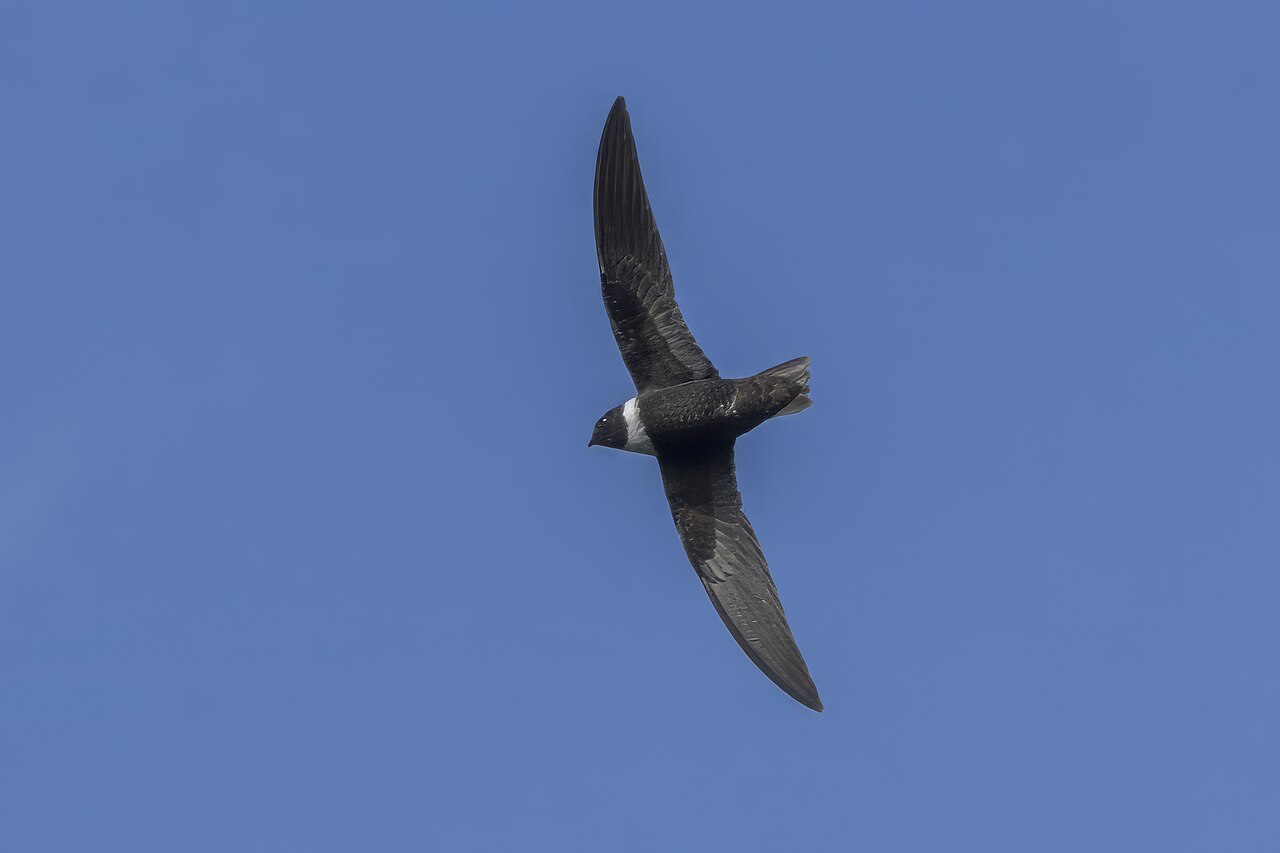
The white-collared starling is a species of starling in the family Sturnidae. It is monotypic within the genus Grafisia. It is found in Cameroon, Central African Republic, Chad, Democratic Republic of the Congo, and Gabon.
Region
Central Africa
Typical Environment
Occurs patchily from southern Chad and the Central African Republic through northern and western Democratic Republic of the Congo, with populations in Cameroon and Gabon. It favors open woodland, wooded savanna, gallery forest edges, and secondary growth with scattered tall trees. Often seen near villages and farmland where large fruiting trees are present. Utilizes riverine corridors and forest clearings to move between feeding sites.
Altitude Range
Sea level to 1500 m
Climate Zone
Tropical
Ease of Keeping
Beginner friendly: 2/5
This striking starling is the sole member of its genus, easily recognized by its bold white neck collar against glossy dark plumage. It frequents open woodland and forest edges in Central Africa and often gathers at fruiting trees. Like many starlings, it nests in cavities and forms small, vocal flocks. It is currently not considered threatened across most of its range.

Temperament
social and active
Flight Pattern
direct flight with rapid wingbeats; strong flier between feeding trees
Social Behavior
Typically seen in pairs or small, noisy flocks, sometimes joining mixed-species starling groups at abundant food sources. Nests in tree cavities, including natural holes and old woodpecker or barbet holes. Breeding is seasonal and likely tied to rains, with pairs defending the immediate nest vicinity while foraging communally.
Migratory Pattern
Resident
Song Description
A varied, chattering series of whistles, rattles, and squeaks delivered from exposed perches. Calls include sharp contact notes used to maintain flock cohesion and harsher scolds when alarmed.
Plumage
Glossy dark (blackish) overall with a conspicuous, clean white collar encircling the hindneck and upper breast; plumage otherwise sleek and uniform.
Diet
Takes a mixed diet of fruits and invertebrates, including figs, berries, and other soft fruits, as well as beetles, termites, and caterpillars. Will sally from perches to snatch flying insects and glean prey from foliage and bark. When fruit is abundant, it feeds gregariously and may defend productive trees briefly. Opportunistic around human-modified landscapes with suitable fruiting trees.
Preferred Environment
Feeds in the canopy and midstory of open woodland and along forest edges, and descends to the ground to pick fallen fruit. Common at fruiting figs and in riverine strips where tree cover is continuous.