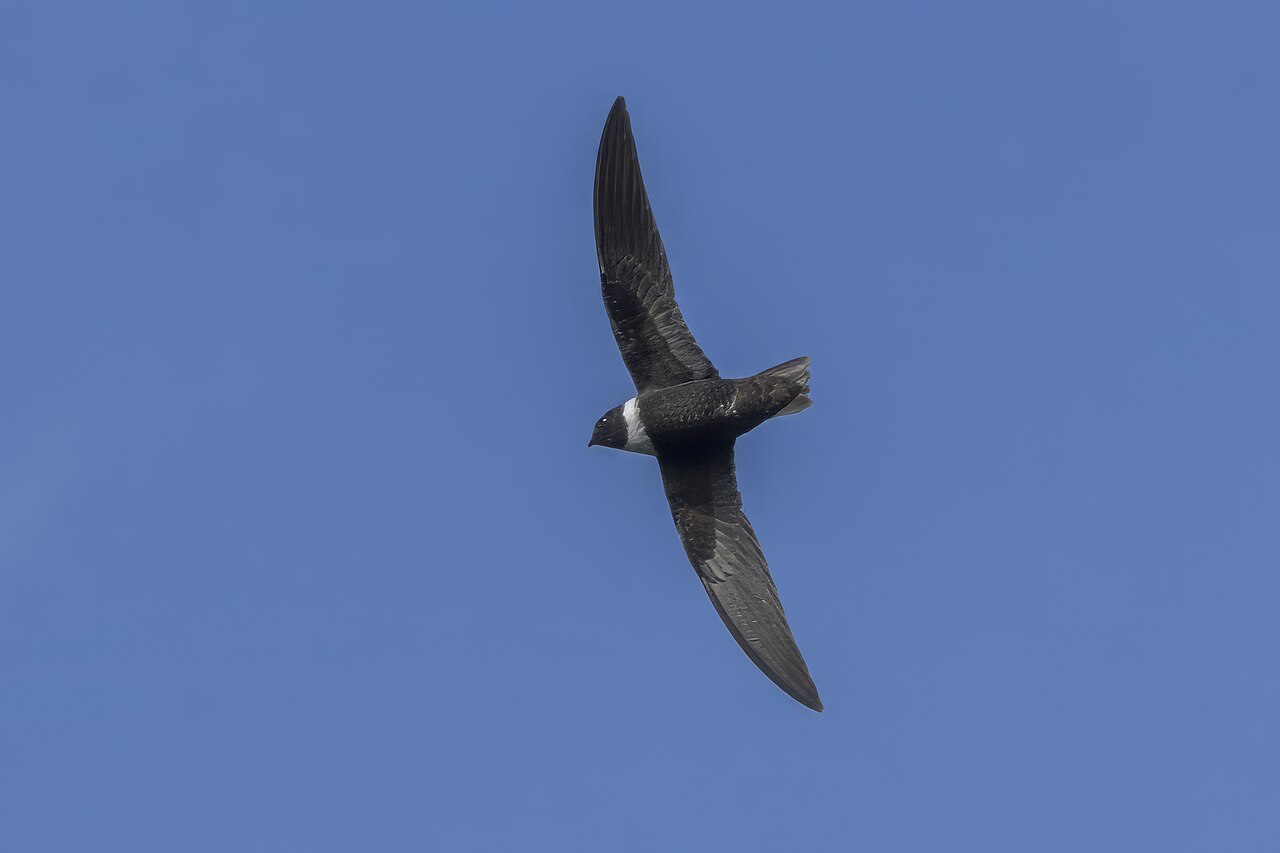
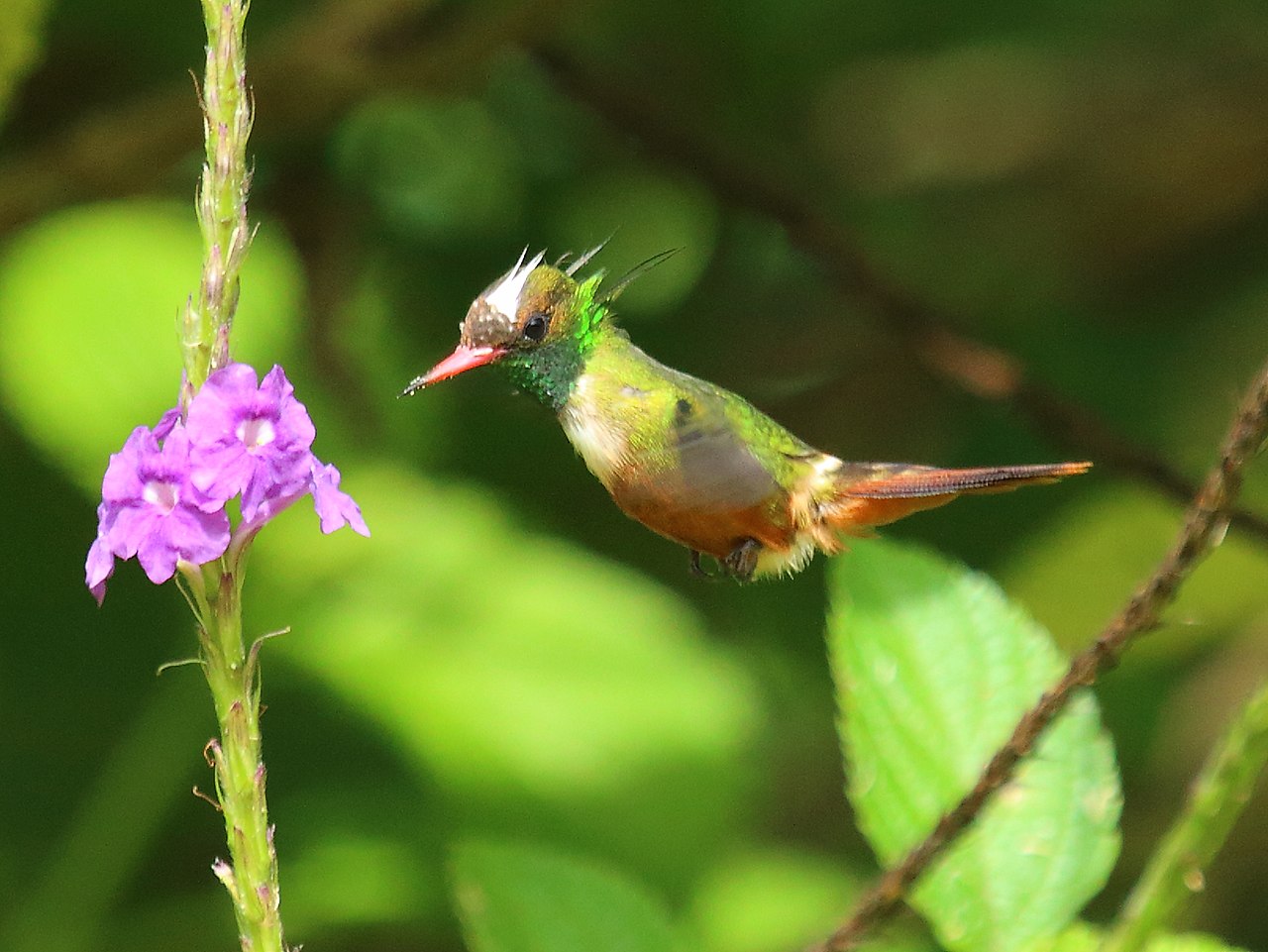
The white-collared oliveback is a species of estrildid finch found in Africa. It has an estimated global extent of occurrence of 94,000 km2.
Region
Albertine Rift of East-Central Africa
Typical Environment
The white-collared oliveback is found in montane and submontane zones of the Albertine Rift, primarily in western Uganda, eastern Democratic Republic of the Congo, Rwanda, and Burundi. It favors forest edges, secondary growth, and clearings rather than dense interior forest. Birds often use tangles, bamboo thickets, and seeding grasses along trails, glades, and riverine strips. It tolerates moderately disturbed habitats provided there is ample cover and a supply of seeding plants.
Altitude Range
900–2300 m
Climate Zone
Highland
Ease of Keeping
Beginner friendly: 2/5
This small estrildid finch is named for the crisp white collar that contrasts with its darker head and olive-toned back. It frequents forest edges and clearings in the Albertine Rift, where it forages quietly in low vegetation. Often overlooked due to its shy nature, it is typically encountered in pairs or small groups. Its soft, high-pitched calls can give away its presence more readily than its unobtrusive plumage.

Temperament
shy and skulking
Flight Pattern
short rapid wingbeats
Social Behavior
Usually found in pairs or small family groups, occasionally joining mixed finch parties where food is abundant. Nests are compact, grass-woven structures placed low in dense cover. Both parents participate in incubation and feeding of young. Territorial displays are subdued, relying on soft song and posture within cover.
Migratory Pattern
Resident
Song Description
The song is a soft, high-pitched series of tinkling trills and thin seeps delivered from within cover. Calls are quiet, contact-type notes that can be easily missed against insect background noise.
Plumage
Olive-green to olive-brown upperparts with paler, lightly barred or scalloped underparts. A distinct white hind-collar contrasts with a darker head, giving a capped-and-collared appearance. Feathers are smooth and close-fitting, aiding a neat, compact look.
Diet
Feeds mainly on small grass and herb seeds, supplemented by small insects and other invertebrates, especially during breeding. It picks seeds directly from seedheads and also gleans from the ground and low foliage. Invertebrate intake provides protein for nestlings.
Preferred Environment
Forages along forest margins, in clearings, secondary growth, and bamboo or vine tangles. Often seen at seeding grasses along paths and glades, remaining close to protective cover.