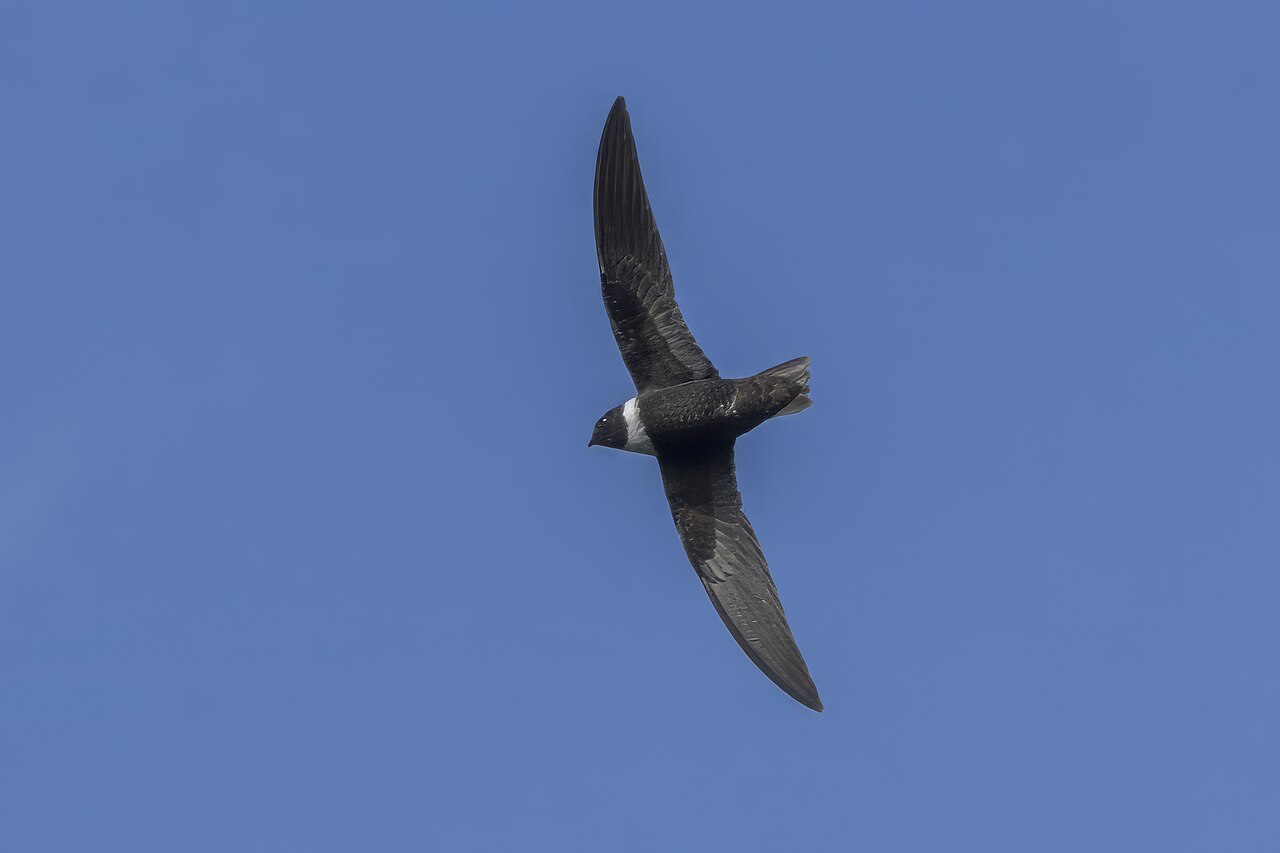
The white-collared kite is an endangered species of bird in the subfamily Perninae of the family Accipitridae, the diurnal raptors. It is endemic to northeastern Brazil.
Region
Northeastern Brazil (Atlantic Forest)
Typical Environment
Confined to remnant lowland and foothill Atlantic Forest fragments of Pernambuco, Alagoas, and Paraíba. It favors mature humid forest, edges, and riverine corridors, often using tall emergent trees for perching and nesting. The species occasionally ranges over forest–agriculture mosaics but remains closely tied to forest structure. It is most often detected in flight while soaring above the canopy. Fragmentation and selective logging reduce suitable territories.
Altitude Range
Sea level to 600 m
Climate Zone
Tropical
Ease of Keeping
Beginner friendly: 1/5
Once treated as a variant of the gray-headed kite, it is now recognized as a distinct species based on consistent plumage and range in Brazil’s Atlantic Forest. It is rare and easily overlooked as it often soars high above the canopy or perches quietly within dense foliage. Habitat loss from deforestation in northeastern Brazil is its primary threat. Conservation efforts focus on protecting remaining forest fragments and improving connectivity.


Temperament
wary and secretive
Flight Pattern
soaring glider
Social Behavior
Usually encountered singly or in pairs. Pairs maintain territories in and around mature forest and nest high in tall trees, constructing a stick platform. Clutch size is small, typically one to two eggs, and both adults likely share incubation and chick rearing.
Migratory Pattern
Resident
Song Description
Typically quiet, but gives thin, high-pitched whistles and mewing notes, especially in the breeding season. Calls are often delivered from the canopy or while circling above the forest.
Plumage
Dark hood and upperparts with a bold, clean white hindneck collar and largely white underparts. The tail is dark with a prominent pale terminal band; wings are broad and rounded with contrasting pale underwing coverts. Overall appearance is sharply contrasted, especially the white collar against the dark head.
Diet
Feeds mainly on large arthropods such as caterpillars, cicadas, and orthopterans, and will take wasp larvae from nests. It also opportunistically hunts small reptiles, amphibians, and nestling birds. Prey is taken by short sallies from perches or snatched in flight over the canopy.
Preferred Environment
Forages along forest edges, clearings, and above the canopy where rising air allows effortless soaring. Uses high perches within mature forest to watch for prey and to launch brief pursuit flights.