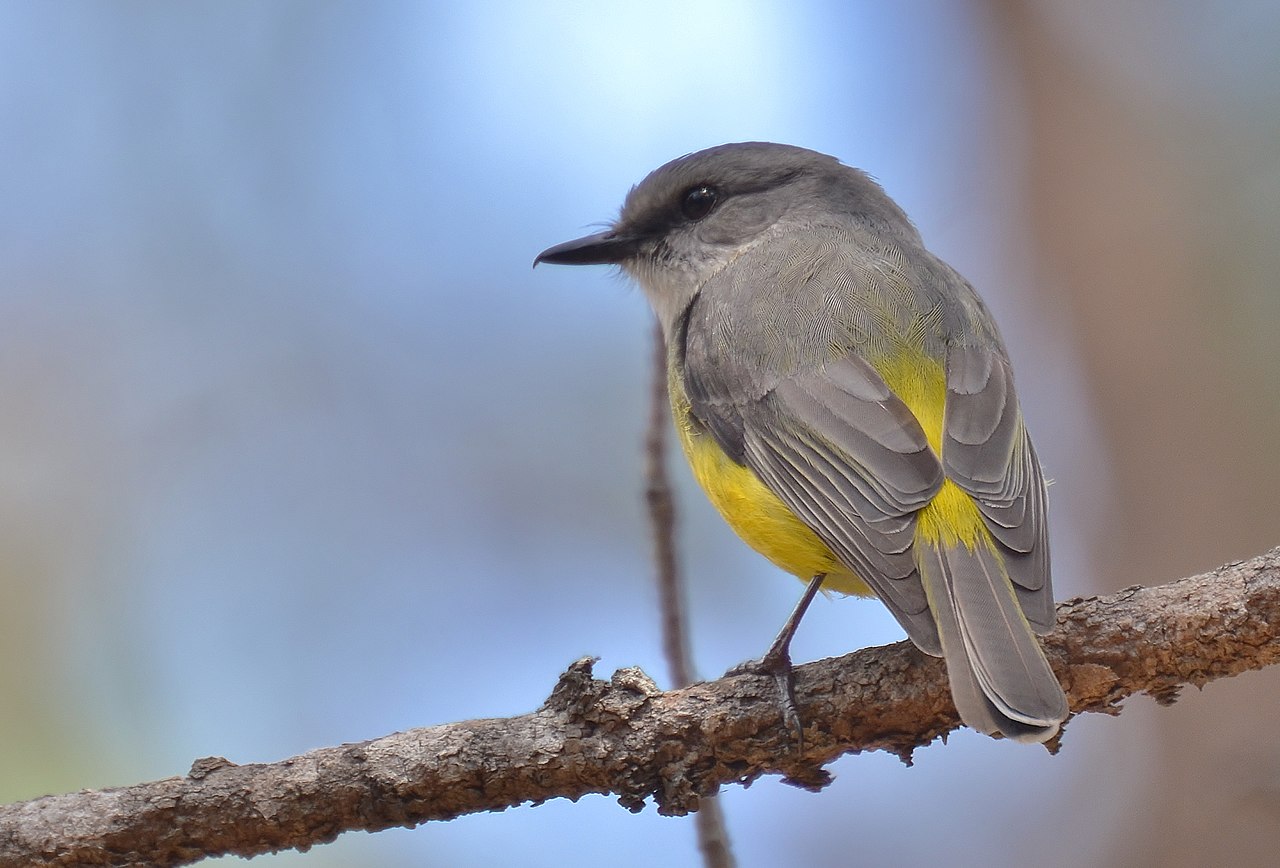
The western woodhaunter is a species of bird in the Furnariinae subfamily of the ovenbird family Furnariidae. It is found in Colombia, Costa Rica, Ecuador, Honduras, Nicaragua, and Panama.
Region
Central America and Chocó–West Andean slopes
Typical Environment
Occurs from Honduras south through Nicaragua, Costa Rica, and Panama into western Colombia and northwestern Ecuador. It inhabits humid evergreen and mature second-growth forests, especially along ravines and shaded stream corridors. The species favors dense understory with vine tangles, Heliconia and palm fronds, and areas rich in suspended dead leaves. It is typically a bird of the interior and lower slopes but can persist in well-structured secondary forest and forest edges with sufficient cover.
Altitude Range
Sea level to 1500 m
Climate Zone
Tropical
Ease of Keeping
Beginner friendly: 1/5
Formerly treated within the Striped Woodhaunter complex, this species is now recognized as the Western Woodhaunter. It is a secretive understory furnariid that forages methodically in tangles and dead leaf clusters and often joins mixed-species flocks. It may occasionally attend army-ant swarms to snatch flushed arthropods. More often heard than seen, it gives a distinctive series of mellow whistles from dense forest.


Temperament
shy and skulking
Flight Pattern
short rapid wingbeats, low through understory
Social Behavior
Typically found singly or in pairs, often maintaining territories year-round. Frequently accompanies mixed-species flocks, moving deliberately through vine tangles and suspended dead leaves. Nests are usually placed in earthen banks or cavities among roots, with a chamber lined with plant fibers.
Migratory Pattern
Resident
Song Description
A series of mellow, whistled notes that may rise and then fall, delivered at measured pace from concealed perches. Calls include dry chips and soft contact notes given while foraging.
Plumage
Olive-brown to rufescent-brown upperparts with a warmer rufous tail; underparts buffy to olive with fine buff streaking on the throat and breast that becomes more diffuse on the belly.
Diet
Feeds primarily on arthropods, including beetles, spiders, ants, and caterpillars. It methodically probes dead leaf clusters, curled foliage, and vine tangles to extract hidden prey. The species occasionally snatches flushed insects near army-ant swarms and may glean small snails or other invertebrates opportunistically.
Preferred Environment
Forages in the shaded understory of humid forest, especially along streams, in dense vine tangles, and among Heliconia and palms. Often works from near ground level up to mid-understory, moving slowly and searching suspended dead leaves.