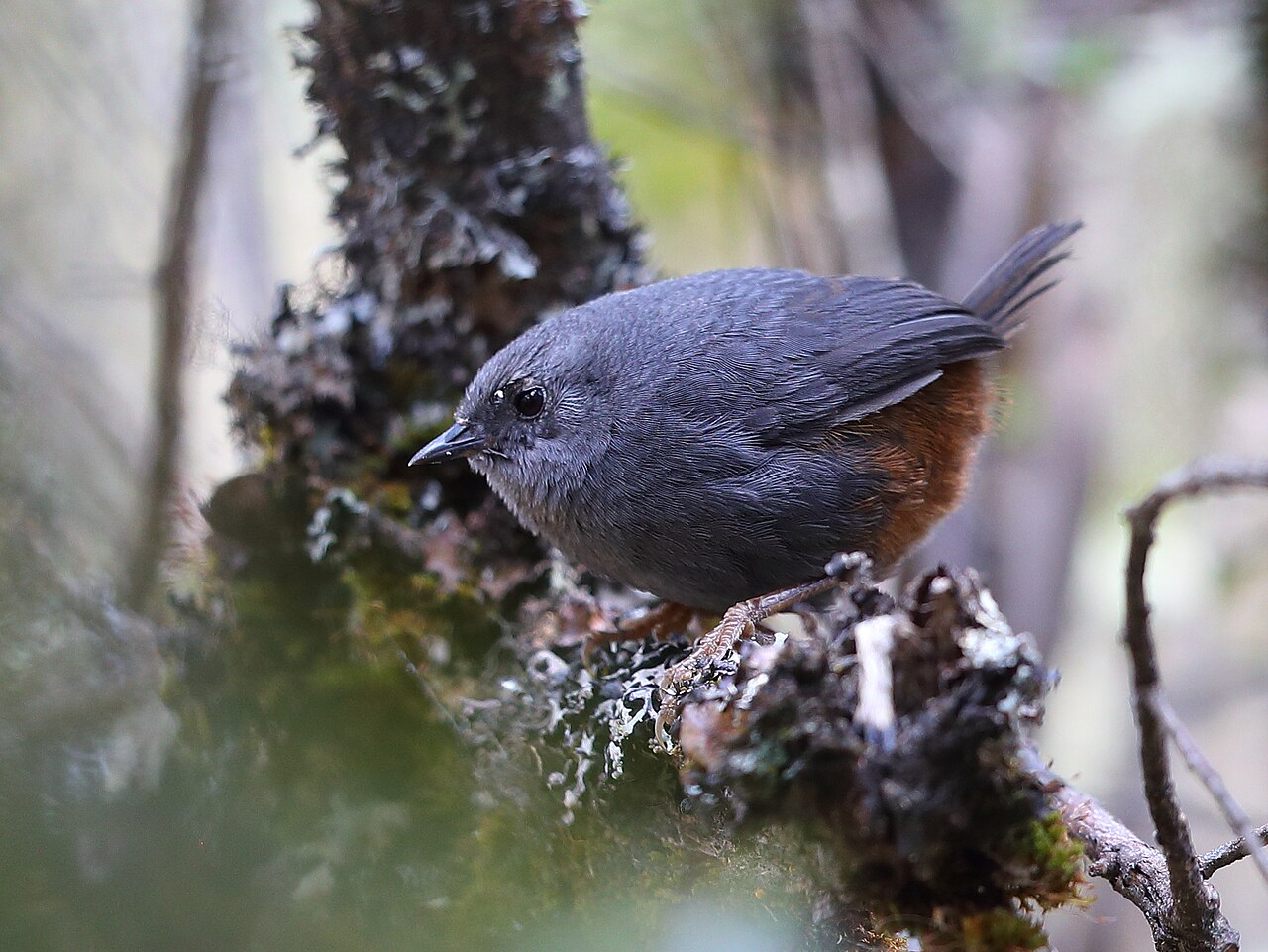
Vigors's sunbird, Sahyadri sunbird, or western crimson sunbird, is a species of sunbird which is endemic to the Western Ghats of India. It has been considered as a subspecies of the crimson sunbird but it does not have the central tail as elongated and is restricted in its distribution.
Region
Western Ghats
Typical Environment
Occurs along the length of the Western Ghats in southwestern India, from foothills to montane slopes. Prefers evergreen and moist deciduous forests, forest edges, and shola-grassland mosaics, but readily uses secondary growth and plantations (e.g., coffee, cardamom) with good flowering. Often seen in gardens and along roadsides where nectar-rich shrubs and trees bloom. Forages from understory to mid-canopy, especially where tubular flowers are abundant.
Altitude Range
0–1800 m
Climate Zone
Tropical
Ease of Keeping
Beginner friendly: 1/5
Endemic to India’s Western Ghats, Vigors's sunbird is a small, active nectar-feeder and an important pollinator of many native flowering plants. It was once treated as a subspecies of the crimson sunbird but is now widely regarded as distinct, notably lacking the elongated central tail feathers. It frequents flowering trees and shrubs in forests, plantations, and gardens, often hovering briefly at blooms.

Temperament
active and territorial
Flight Pattern
short rapid wingbeats with brief hovering at flowers
Social Behavior
Typically seen singly or in pairs, sometimes in loose association with mixed-species flocks. Territorial males defend rich nectar sources. The nest is a small, pendant, purse-like structure suspended from foliage; the female does most of the construction and incubation. Clutches are small, and both parents feed the young.
Migratory Pattern
Resident
Song Description
Calls are thin, high-pitched tsee-tsee notes and sharp chips. Song is a rapid, sweet warble interspersed with metallic twangs, delivered from exposed perches near flowering trees.
Plumage
Male shows bright crimson on head, throat, and breast with metallic green gloss on the forehead and an olive to golden-olive back; wings and tail are dark. Female is olive-brown above with yellowish to olive underparts and lacks the male’s bright crimson. Both sexes have a slender, strongly decurved bill.
Diet
Feeds primarily on nectar from tubular flowers, probing with its decurved bill and sometimes hovering to access blooms. Supplements with small insects and spiders, especially during breeding, gleaned from foliage and flowers. Also takes small fruit or berries opportunistically. Acts as an effective pollinator for many native plants.
Preferred Environment
Forages in flowering trees and shrubs at forest edges, along streams, and in clearings. Readily visits gardens, plantations, and roadside avenues with abundant blossoms.