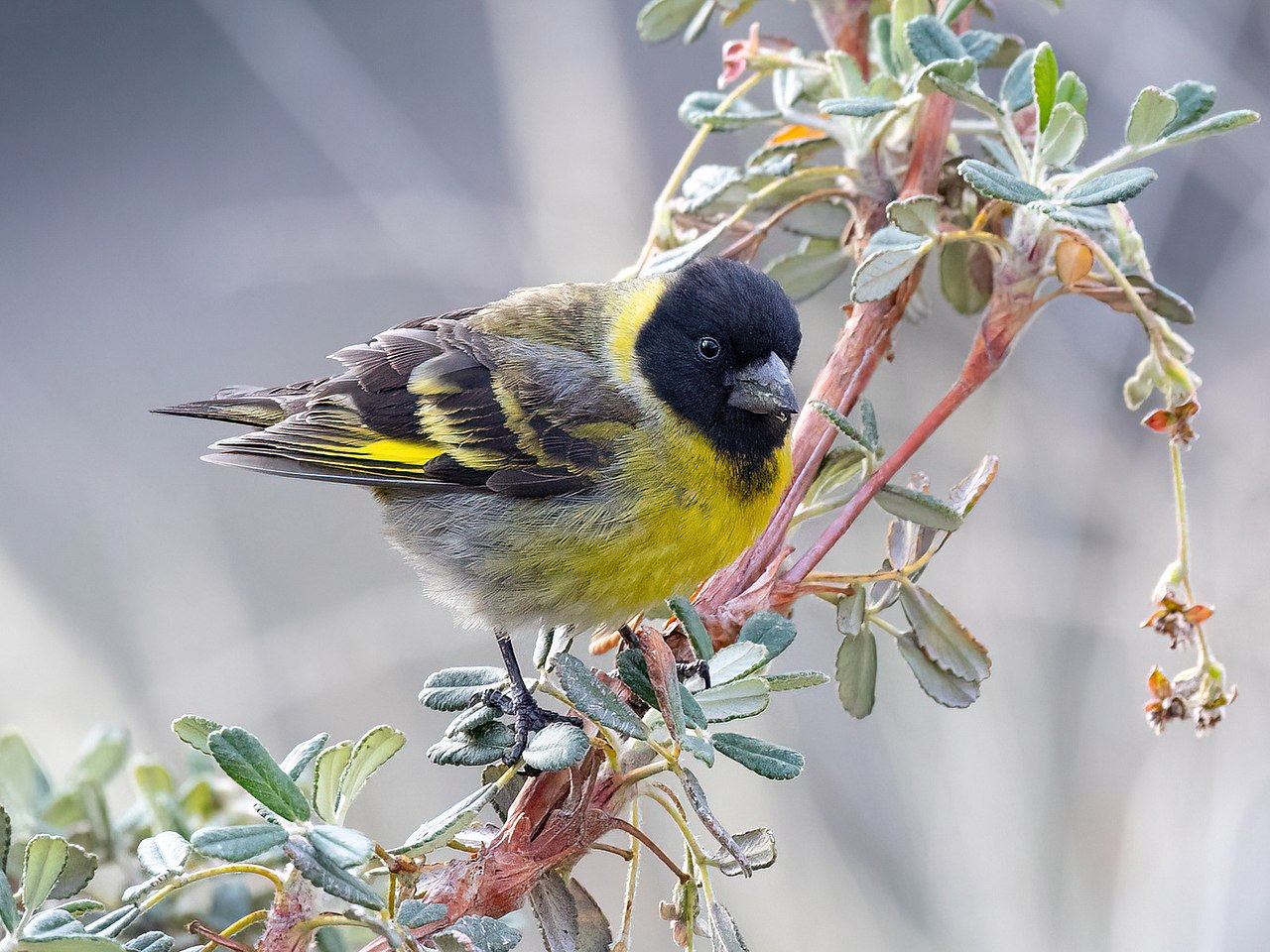
The thick-billed seedeater is a species of finch in the family Fringillidae. It is native to the Western High Plateau and Bioko, the Albertine rift montane forests and the East African montane forests
Region
Central and East African highlands
Typical Environment
Occurs across the Cameroon Highlands (including Bioko) and discontinuously through the Albertine Rift to the East African montane forests. It favors forest edges, secondary growth, bamboo thickets, highland shrublands, and grassy clearings. The species also uses farmlands, plantations, and gardens near native montane habitat. It is most frequently seen where seeding grasses and forbs are abundant.
Altitude Range
1000–3300 m
Climate Zone
Highland
Ease of Keeping
Beginner friendly: 2/5
A robust-billed African finch adapted for cracking tough grass seeds, it often frequents montane forest edges and clearings. It can be confused with the streaky seedeater, but its noticeably thicker, conical bill and heavier streaking help separate it. Pairs are typically quiet and unobtrusive during breeding but may gather in small flocks afterwards.

Temperament
social and active
Flight Pattern
short rapid wingbeats with undulating flight
Social Behavior
Usually seen in pairs or small family groups; outside the breeding season it may form small flocks, sometimes with other seedeaters. The nest is a neat cup placed low in shrubs or small trees. It is presumed monogamous, with both parents attending young.
Migratory Pattern
Resident
Song Description
A soft, twittering series of tinkling trills and chirps, often delivered from a prominent perch. Calls include dry chips and thin buzzes, especially when in flocks.
Plumage
Heavily streaked brown upperparts with paler, streaked underparts; subtle olive-brown wash and a pale, often buffy supercilium. Feathers appear fine and neatly streaked rather than blotchy, with a clean whitish belly.
Diet
Primarily consumes seeds of grasses and herbs, using its powerful bill to crack hard husks. It also takes buds and occasionally small invertebrates, especially during the breeding season. Forages by gleaning from seed heads and picking from the ground.
Preferred Environment
Feeds along forest edges, in montane clearings, fallow fields, and shrubby slopes where seeding plants are abundant. It readily uses human-altered highland habitats such as gardens and plantations adjacent to native vegetation.