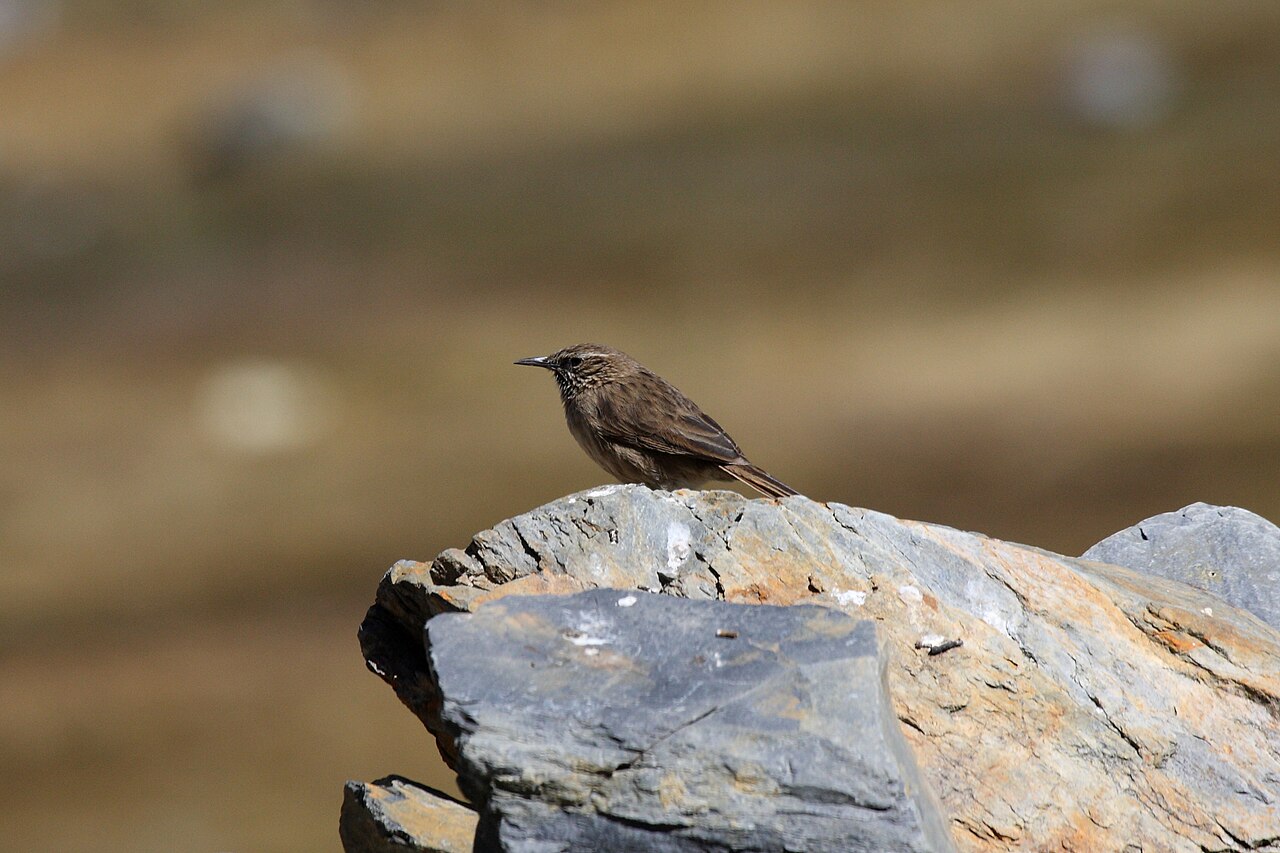
The streak-headed honeyeater is a species of bird in the family Meliphagidae. It is found in Indonesia and Papua New Guinea. Its natural habitat is subtropical or tropical moist lowland forests.
Region
New Guinea and adjacent islands
Typical Environment
Occurs across lowland and foothill forests of New Guinea in both Indonesia (West Papua and Papua provinces) and Papua New Guinea, with presence on some nearby satellite islands. Most common in subtropical and tropical moist lowland forest, forest edges, and secondary growth. It also forages in riverine forest and occasionally in gardens with flowering trees near forest. The species is generally tied to well-vegetated habitats where blossoms and insects are abundant.
Altitude Range
Sea level to 1200 m
Climate Zone
Tropical
Ease of Keeping
Beginner friendly: 1/5
A New Guinea honeyeater, it is often seen moving through the mid- to upper canopy in search of nectar and small arthropods. Its fine pale streaks on the head help separate it from plainer brown honeyeaters. By visiting flowering trees, it likely contributes to pollination. It frequently joins mixed-species flocks in productive forest edges and secondary growth.

Temperament
active and somewhat secretive
Flight Pattern
short rapid wingbeats with quick dashes between trees
Social Behavior
Usually seen singly, in pairs, or small family groups, and often associates with mixed-species flocks when resources are abundant. Nests are likely cup-shaped structures placed in foliage, with both parents involved in care. Breeding timing often coincides with peaks in flowering.
Migratory Pattern
Resident
Song Description
A series of thin, whistled phrases interspersed with soft chattering notes. Calls include high tseep and tchip notes used for contact within the canopy. Vocalizations can be persistent at dawn around flowering trees.
Plumage
Olive-brown upperparts with paler, slightly yellow-washed underparts; head finely streaked with pale lines across the crown and ear-coverts. Feathers appear smooth with subtle mottling on the throat and breast. Tail and wings are dusky-brown with olive edging.
Diet
Takes nectar from a variety of flowering trees and shrubs, supplementing with small insects and spiders gleaned from foliage and bark. Occasionally consumes soft fruits when available. Foraging is agile, often probing blossoms and sallying short distances to catch insects. It may follow flowering events and concentrate around resource-rich patches.
Preferred Environment
Feeds mainly in the mid- to upper canopy of moist lowland forest, edges, and secondary growth. Also visits river margins and village gardens with abundant blossoms near forest.