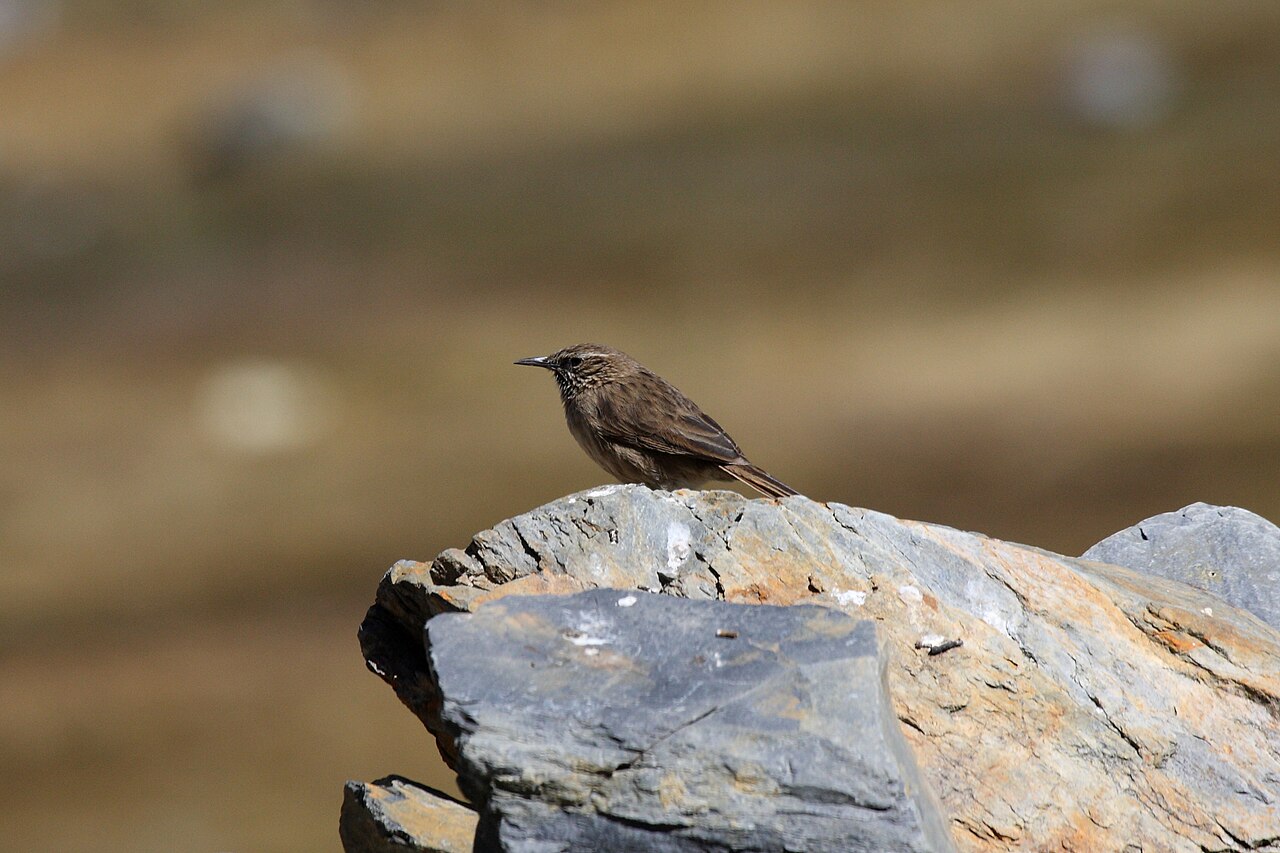
The streak-headed mannikin also known as the streak-headed munia, is a small 10 cm (3.9 in) long estrildid finch.
Region
New Guinea
Typical Environment
This species is widespread across lowland and foothill regions of New Guinea, occurring in both Papua New Guinea and Indonesian New Guinea. It uses tall rank grass, reedbeds, forest edges, secondary growth, and the margins of wetlands and rivers. It also adapts to rural landscapes, including gardens and rice fields. Flocks often move between open glades and scrubby thickets, exploiting seeding grasses after rains.
Altitude Range
Sea level to 1600 m
Climate Zone
Tropical
Ease of Keeping
Beginner friendly: 3/5
The streak-headed mannikin, also called the streak-headed munia, is a small estrildid finch about 10 cm long native to New Guinea. It forms tight, active flocks that move together through tall grasses and along forest edges. Nests are neat, ball-shaped structures woven from grass and placed low in shrubs or reeds. Its soft twittering calls keep groups in contact while foraging.

Temperament
social and active
Flight Pattern
short rapid wingbeats
Social Behavior
Usually found in small to medium-sized flocks, sometimes joining mixed groups of other munias. Pairs form within flocks during the breeding season and construct ball-shaped grass nests low in dense vegetation. They often roost communally and maintain cohesion with constant contact calls.
Migratory Pattern
Resident
Song Description
Soft, twittering notes and thin tsip calls given frequently as flocks forage. The song is a simple series of gentle chips and trills, more of a contact chorus than a loud territorial display.
Plumage
Warm brown upperparts with a finely streaked head and throat; underparts buff to pale brown with subtler streaking on the upper breast.
Diet
Primarily granivorous, taking small grass and sedge seeds plucked from seed heads or gathered from the ground. They may visit rice fields and clearings where grasses are seeding. Small invertebrates, especially during the breeding season, are also taken to provide protein for nestlings.
Preferred Environment
Feeds in tall grasses, reedbeds, and along the edges of wetlands and forest clearings. Frequently forages at the margins of agricultural areas, tracks, and riverbanks where seed is abundant.