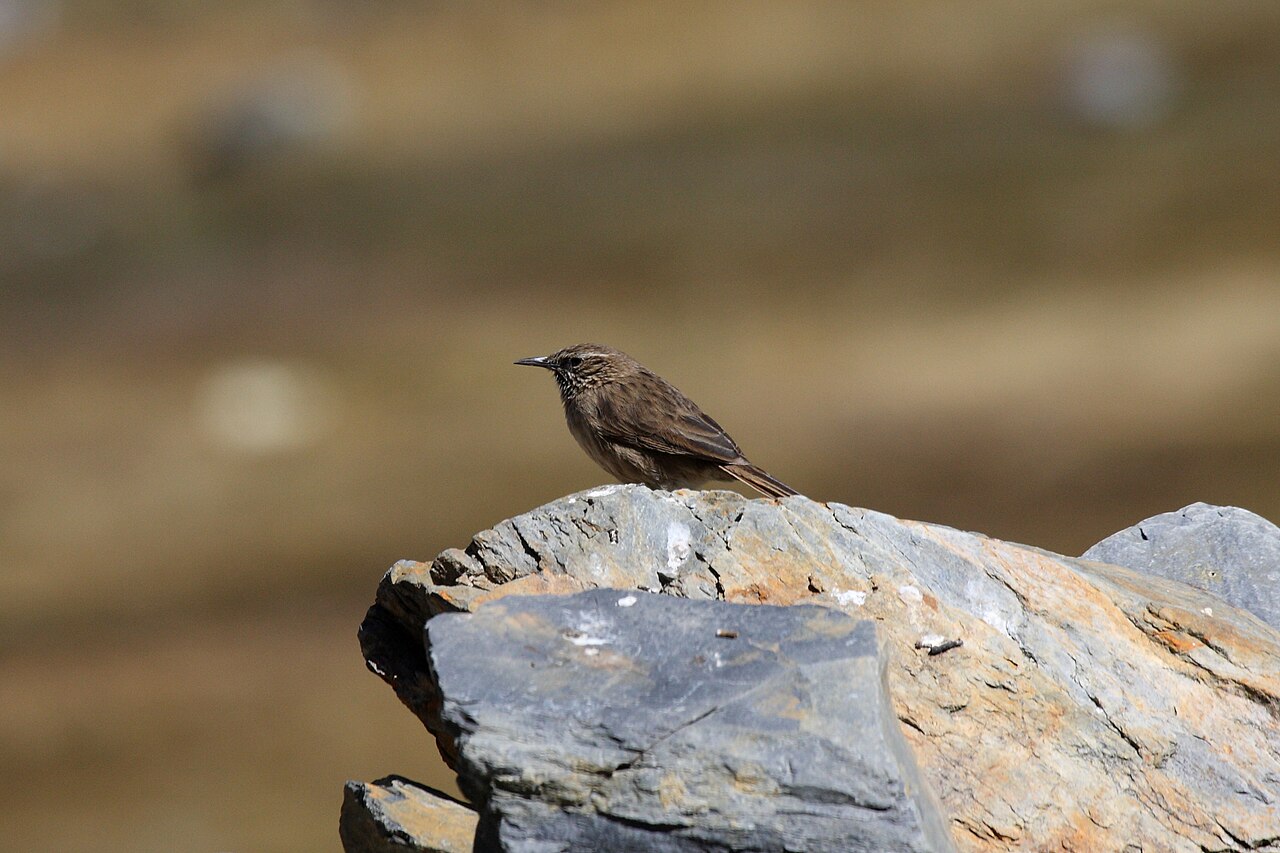
The streak-headed woodcreeper is a passerine bird in the subfamily Dendrocolaptinae of the ovenbird family Furnariidae. It is found in Mexico, Central America, Brazil, Colombia, Ecuador, Guyana, Peru, Venezuela, and on Trinidad.
Region
Mesoamerica and northern South America
Typical Environment
Occurs from southern Mexico through much of Central America into parts of northern and western South America. It uses a wide range of wooded habitats, including lowland and foothill tropical forest, forest edge, second growth, riparian gallery woodland, and shaded agroforestry such as shade coffee. It tolerates some habitat disturbance and can be fairly common in semi-open mosaics near forest. Typically found on trunks and thick limbs from the understory to mid-canopy.
Altitude Range
Sea level to 1800 m
Climate Zone
Tropical
Ease of Keeping
Beginner friendly: 1/5
This slim woodcreeper hitches up trunks and large branches, bracing with a stiff rufous tail much like a small woodpecker. Its long, decurved bill is adapted to pry insects from bark crevices and epiphytes. It frequently joins mixed-species flocks and sometimes attends army-ant swarms to snatch flushed prey.


L. s. compressus, Turrialba, Costa Rica

Temperament
alert and active
Flight Pattern
short rapid wingbeats
Social Behavior
Usually solitary or in pairs but often joins mixed-species foraging flocks. Nests in natural cavities or old woodpecker holes, lined sparsely; both parents typically care for the young. Territorial songs are delivered from mid to upper levels in trees.
Migratory Pattern
Resident
Song Description
A series of thin, high, slightly descending whistles, sometimes accelerating toward the end. Calls include sharp tsee notes and squeaky contact calls given while foraging.
Plumage
Warm brown overall with bold pale buff streaks on the head, nape, and upper back; wings and tail are rich rufous. Underparts are buffy to brown with faint streaking. Feathers are sleek and closely set, aiding its bark-gleaning lifestyle.
Diet
Primarily arthropods such as beetles, ants, termites, spiders, and caterpillars. Gleans prey from bark and probes into crevices, lichens, and epiphytes. Occasionally takes small vertebrates or other invertebrates flushed by army ants.
Preferred Environment
Feeds on trunks and larger branches in the understory to mid-canopy, especially along forest edges and in semi-open woodland. Frequently forages in second growth, riparian strips, and shaded plantations where large trees remain.