The Sri Lankan junglefowl, also known as the Ceylon junglefowl or Lafayette's junglefowl, is a member of the Galliformes bird order. It is a common endemic bird in Sri Lanka, where it is the national bird. It is closely related to the red junglefowl, the wild junglefowl from which the chicken was domesticated. However, it is even more closely related to the grey junglefowl. Sri Lankan junglefowl and red junglefowl diverged about 2.8 million years ago, whereas time of divergence between the Sri Lankan junglefowl and grey junglefowl was 1.8 million years ago.
Region
Sri Lanka (endemic)
Typical Environment
Found from lowland rainforests to montane forests, as well as dry-zone scrub, secondary growth, and forest edges. It readily uses dense undergrowth, bamboo thickets, and plantations adjacent to native forest. Birds often forage along trails, streams, and clearings but retreat quickly to cover. They roost in trees at night and prefer areas with nearby water and layered understory.
Altitude Range
Sea level to 2200 m
Climate Zone
Tropical
Ease of Keeping
Beginner friendly: 2/5
The Sri Lankan junglefowl, also called Lafayette’s junglefowl, is the national bird of Sri Lanka and occurs only on that island. Males are striking with a red comb that bears a distinctive yellow center, while females are cryptically patterned for camouflage. It is closely related to the red and grey junglefowl, the former being the wild ancestor of the domestic chicken.


Sri Lankan Junglefowl at Sinharaja Forest Reserve
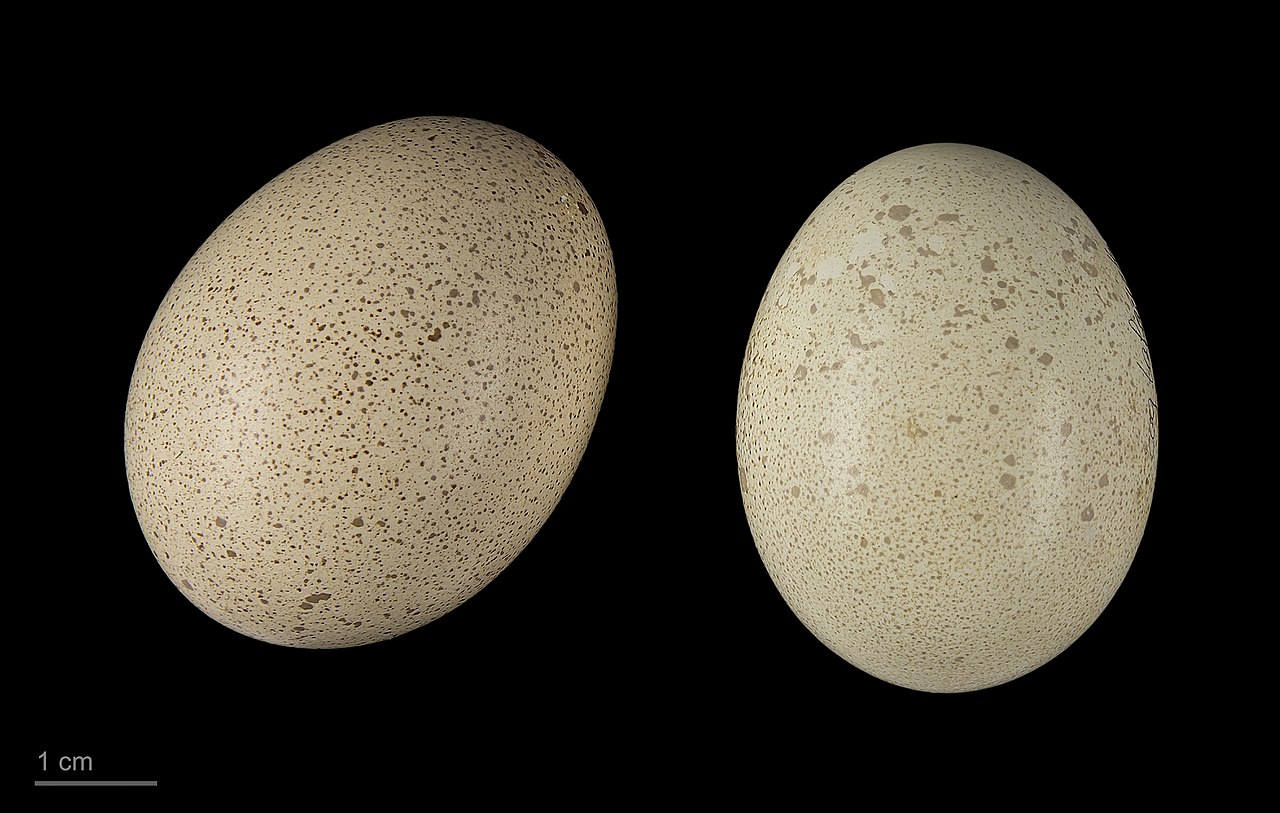
Gallus lafayettii - MHNT

Specimen from Temminck's former private collection: tailless mutant of Sri Lankan junglefowl which served as model for watercolour (Naturalis Biodiversity Center, Leiden, the Netherlands).

Watercolour of tailless mutant of Sri Lankan junglefowl (1806) by Jean-Gabriel Prêtre (1768–1849), commissioned by Coenraad Jacob Temminck (1778–1858) (Naturalis Biodiversity Center, Leiden, the Netherlands).
Temperament
wary and alert
Flight Pattern
short rapid wingbeats with brief glides
Social Behavior
Often seen in small groups with one dominant male and several females. The species is largely terrestrial, scratching for food on the forest floor and roosting in trees at night. Nests are shallow scrapes on the ground concealed in dense cover, and clutches are typically a few eggs.
Migratory Pattern
Resident
Song Description
The male gives a sharp, ringing crow that rises and ends abruptly, often rendered as kee-kee-kee-kee-waa. Calls carry well through forest and are most frequent at dawn and dusk.
Plumage
Male with glossy orange-golden hackles, rich reddish body, and metallic blue-black wings and long sickle-shaped tail; female finely mottled and barred brown with buff and black for strong camouflage.
Diet
It scratches through leaf litter for seeds, grains, and fallen fruits. Insects such as beetles, termites, and ants are important, and it also takes small snails and other invertebrates. Opportunistic feeding near cultivation occurs where cover is available.
Preferred Environment
Typically feeds along forest edges, clearings, and paths where leaf litter is deep and cover is close. Plantations and scrub adjoining native forest are also used.