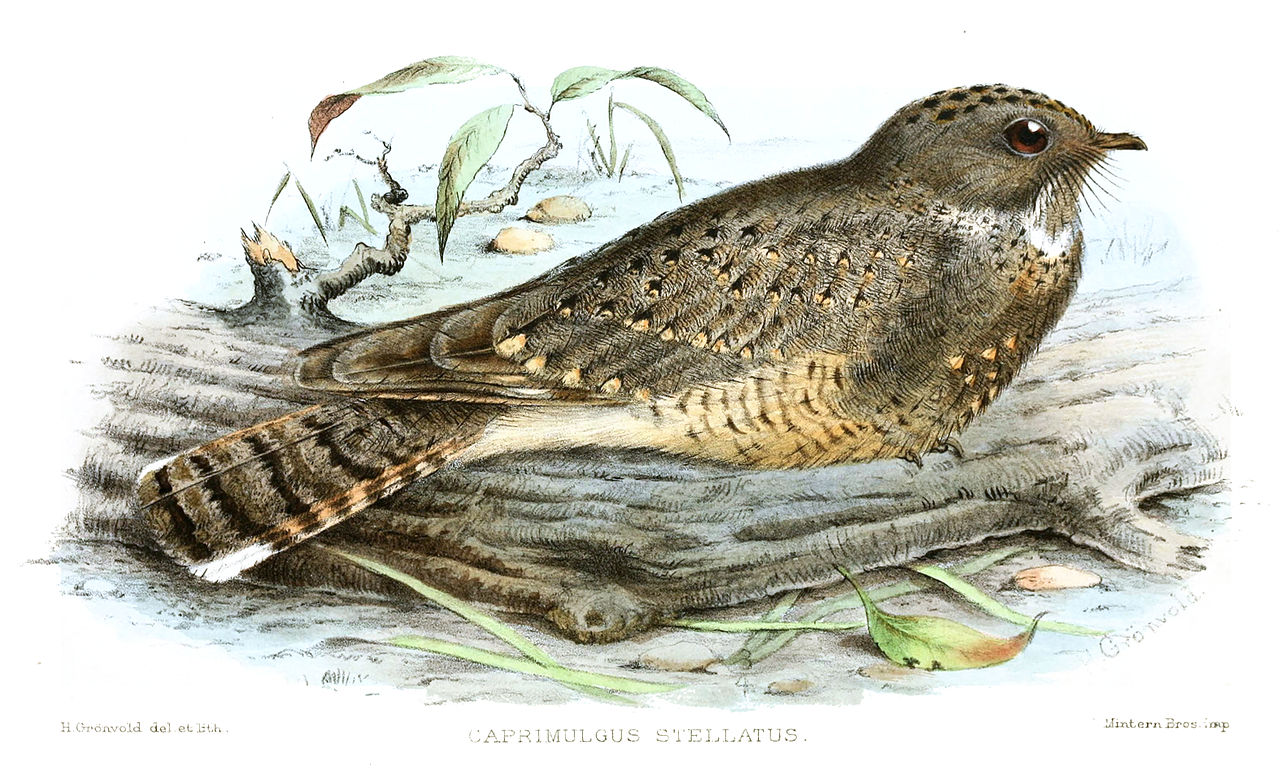
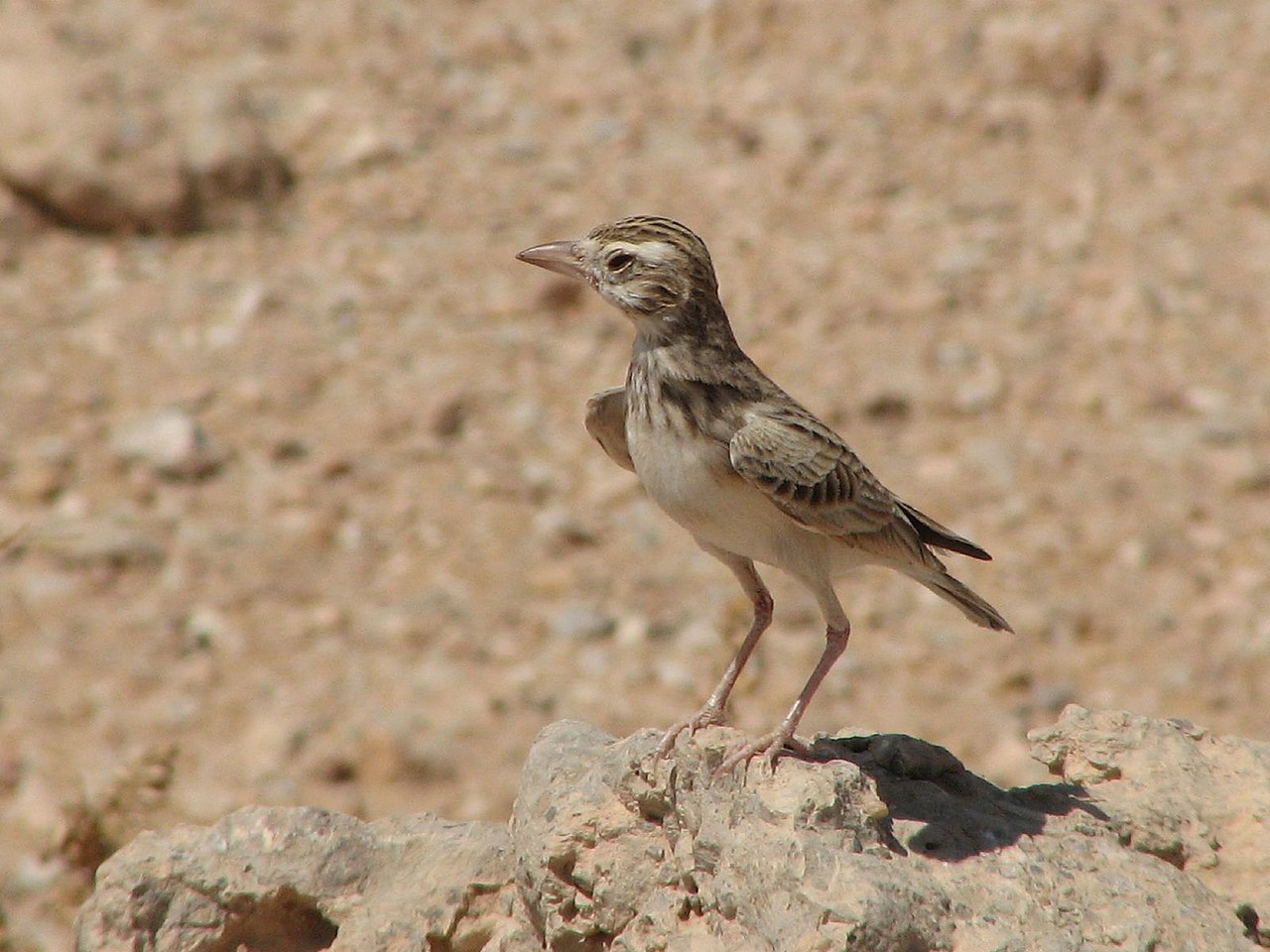
The star-chested treerunner or fulvous-dotted treerunner is a Near Threatened species of bird in the family Furnariidae. It is found in Colombia and Ecuador.
Region
Northern Andes
Typical Environment
Occurs on the west (and locally east) slopes of the Andes in southwestern Colombia and northwestern Ecuador, primarily within the Chocó biogeographic region. It favors mature, humid montane cloud forests with abundant epiphytes, moss, and bromeliads. Birds are most often encountered along moss-laden trunks and larger branches from the understory to mid-canopy. It also uses forest edges and older second-growth where epiphytes remain plentiful.
Altitude Range
1200–2400 m
Climate Zone
Highland
Ease of Keeping
Beginner friendly: 1/5
A member of the ovenbird family (Furnariidae), the star-chested treerunner is specialized for climbing mossy trunks, using stiff tail feathers as a prop much like a woodpecker. It inhabits humid Andean cloud forests of Colombia and Ecuador. The species is sensitive to deforestation and forest fragmentation. It is assessed as Near Threatened by the IUCN due to ongoing habitat loss.


Temperament
active and somewhat secretive
Flight Pattern
short rapid wingbeats between trunks; mostly a climbing and creeping forager
Social Behavior
Usually found singly or in pairs and commonly joins mixed-species flocks in montane forests. Pairs maintain small territories year-round. Nesting is thought to involve bulky mossy structures attached to trunks or branches, with both adults participating in care.
Migratory Pattern
Resident
Song Description
Gives thin, high-pitched notes and buzzy trills, often delivered from within dense mossy cover. Calls are sharp tsit or seep notes that carry in the forest understory.
Plumage
Rufous-brown upperparts with a stiffer, spiky-looking tail; underparts dusky with fine fulvous to whitish spots creating a 'starred' chest. Throat paler to whitish, blending into the spotted breast and scaled-looking belly. Wings and tail rich rufous, with the tail feathers stiffened and slightly pointed.
Diet
Primarily gleans small arthropods such as insects and their larvae, spiders, and other invertebrates from moss, bark crevices, and epiphytes. It probes into clumps of moss and bromeliads and pecks along trunks and limbs. Occasionally hawks short distances to snatch prey displaced while foraging.
Preferred Environment
Epiphyte-rich sections of humid cloud forest from the understory to mid-canopy. Often forages along steep, mossy trunks, large branches, and fallen logs, and follows mixed flocks that stir up prey.