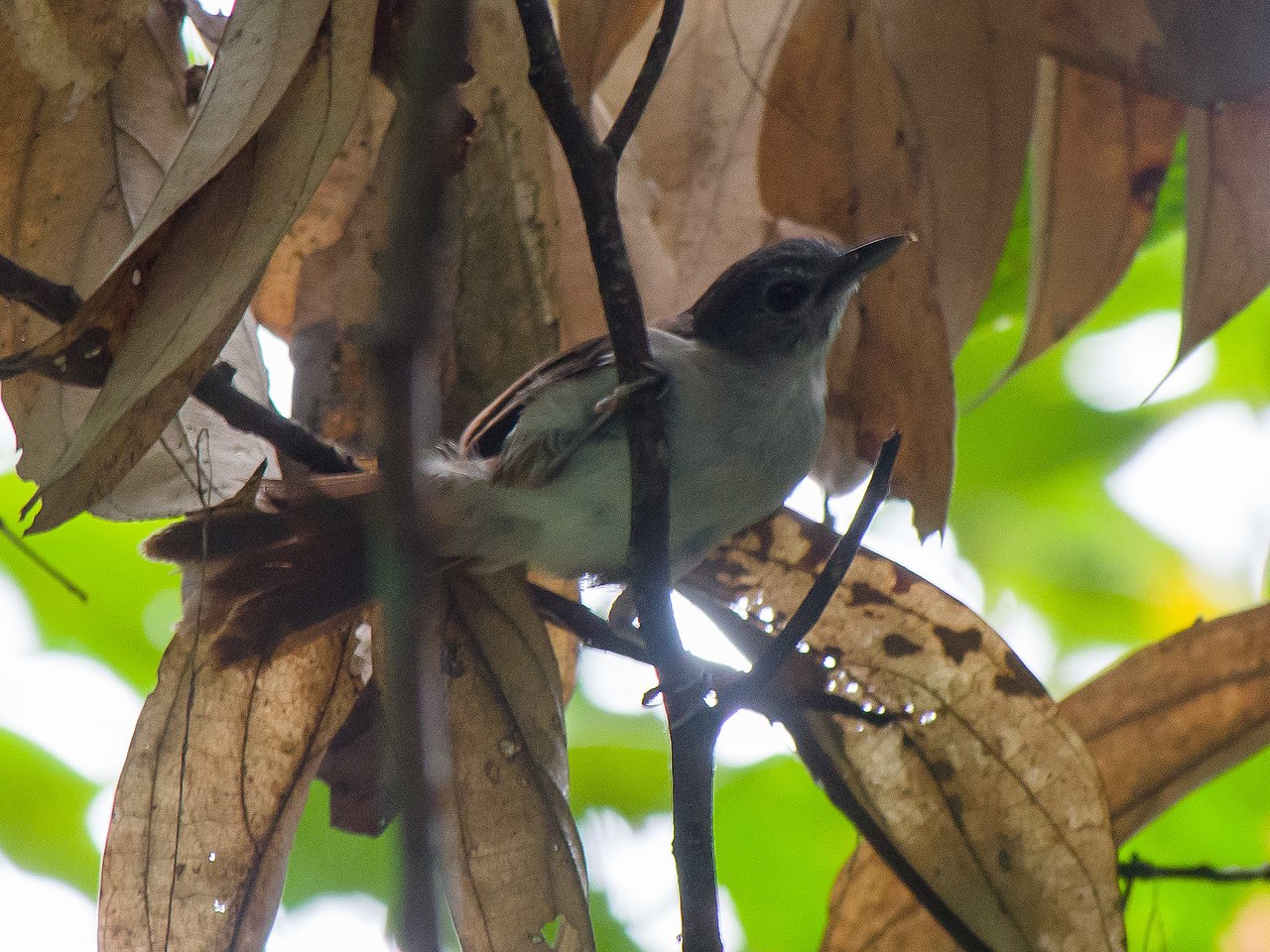
The sooty tern is a tern in the family Laridae. It is a seabird of the tropical oceans and can fly for years at a time, skimming the sea surface for food, and returning to land only to breed, on islands throughout the equatorial zone.
Region
Tropical oceans worldwide
Typical Environment
Occurs across the Atlantic, Indian, and Pacific Oceans, breeding on isolated oceanic islands, coral cays, and atolls throughout the equatorial belt. Away from colonies it is highly pelagic, ranging far from land over open water. Breeding sites are typically flat, sparsely vegetated sandy or rocky substrates above the high-tide line. It rarely approaches continental coasts except near colonies, and prefers warm, productive surface waters. Post-breeding dispersal is extensive and can span entire ocean basins.
Altitude Range
Sea level to 100 m
Climate Zone
Tropical
Ease of Keeping
Beginner friendly: 1/5
The sooty tern spends years at sea between breeding seasons, often only returning to land to nest on remote tropical islands. Its raucous, repetitive calls give some colonies the nickname 'wideawake' rookeries. It nests in immense, dense colonies where a single egg is laid on bare ground, and both parents share incubation and chick-rearing. Adults often forage in association with tuna and dolphins that drive prey to the surface.


Juvenile on Lord Howe Island; note the scaly appearance

Adult O. f. nubilosus with egg in nest, Seychelles
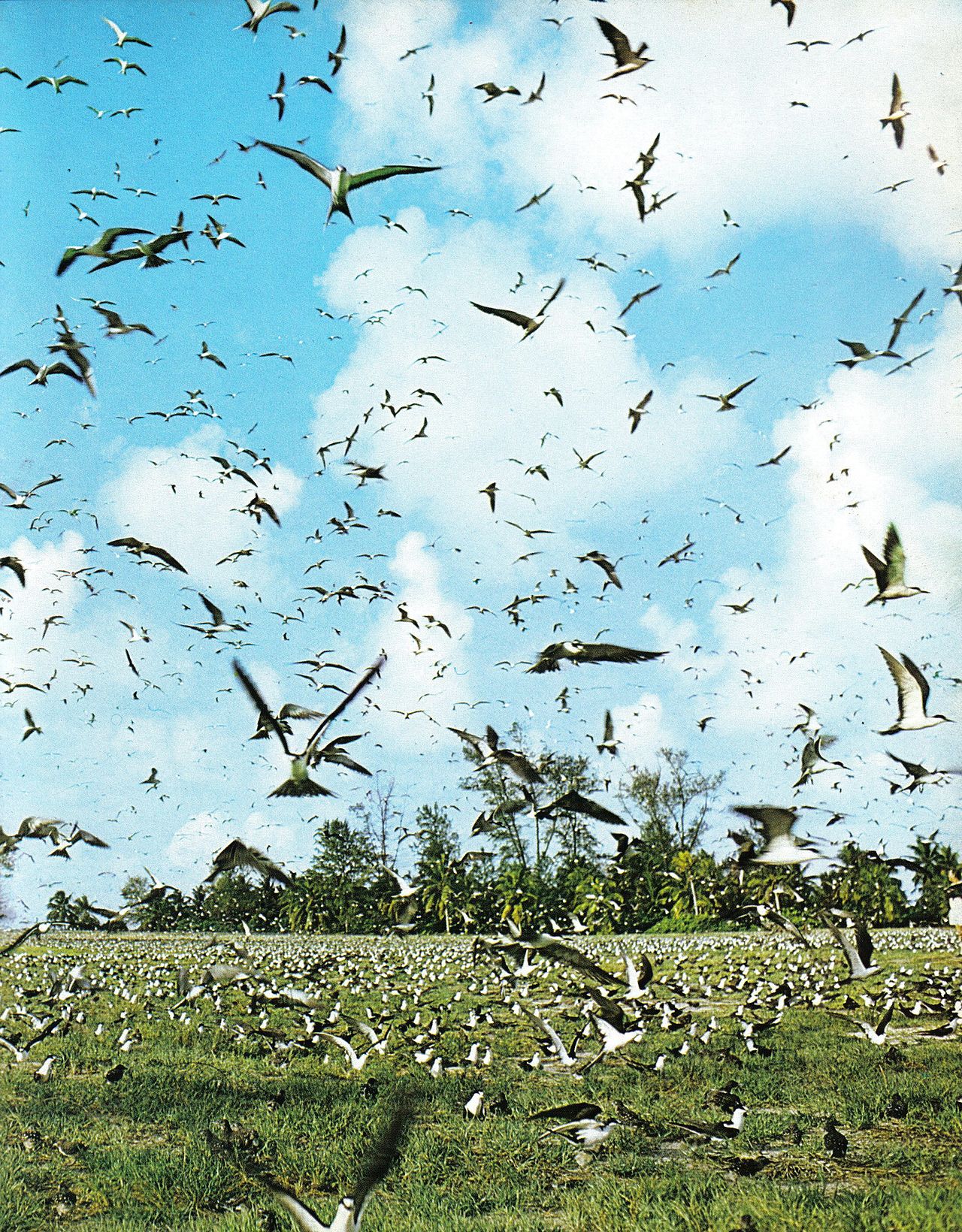
O. f. nubilosus at Bird Island, Seychelles, home to more than a million sooty terns at its peak


Temperament
social and highly colonial
Flight Pattern
buoyant strong flier with rapid wingbeats and long glides
Social Behavior
Breeds in vast, dense colonies on low islands, with simple ground scrapes placed close together. Typically lays a single egg; both adults incubate and feed the chick. Pairs often maintain long-term bonds and return to traditional colony sites. Outside breeding, birds remain gregarious at sea and may form loose foraging flocks.
Migratory Pattern
Seasonal migrant
Song Description
Vocalizations are loud, harsh, and incessant around colonies, including scolding, nasal kek-kek and kree-ar notes that carry over long distances. In flight, birds give sharp contact calls that help maintain spacing in crowded airspace.
Plumage
Sooty-black upperparts and cap contrasting sharply with clean white underparts. A crisp white forehead and supercilium form a wedge above the bill, separated from the dark crown by a sharp boundary. Long, deeply forked tail and long pointed wings give a sleek, angular profile. Juveniles show mottled brown upperparts with less distinct head pattern.
Diet
Feeds mainly on small pelagic fish, squid, and marine invertebrates taken from or just below the surface. Often exploits prey driven up by predatory fish such as tuna or by dolphins. Rarely plunge-dives deeply, instead using surface-dipping and contact-feeding while on the wing. Will travel long distances to locate productive feeding fronts and convergence zones.
Preferred Environment
Open tropical ocean far from land, especially near upwellings, current edges, and around schools of predatory fish. During breeding, forages over nearby offshore waters but may range widely when food is scarce.