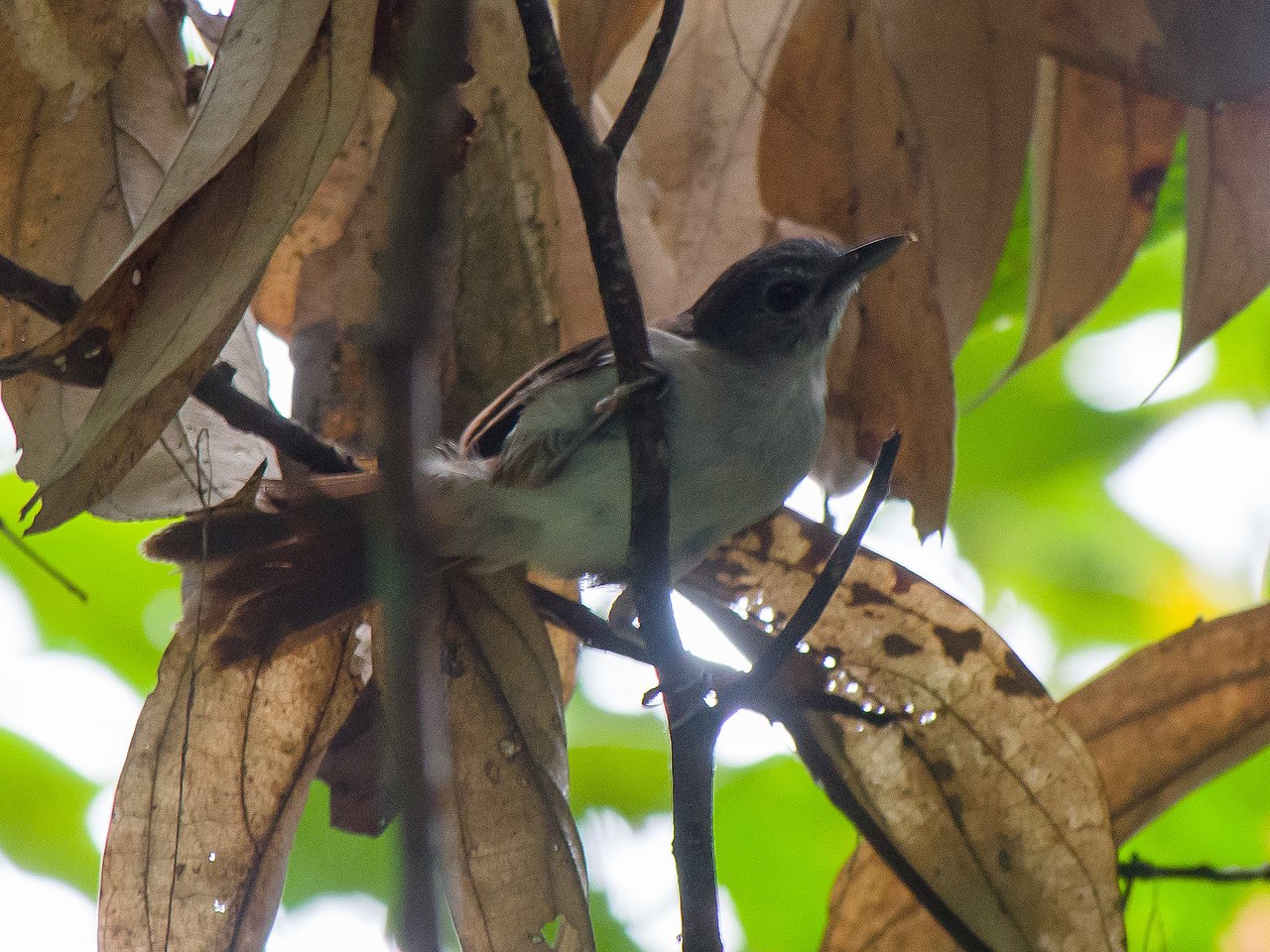
The sooty tyrannulet is a species of bird in the family Tyrannidae, the tyrant flycatchers. It is small, usually weighing 9 grams with a length of 12 centimeters, and has gray or brownish-grey feathers with black tail feathers. It is found in Argentina, Brazil, and Uruguay; also southern Paraguay. A small extension of its range is in southeastern Bolivia.
Region
Southern South America
Typical Environment
Occurs from central and northern Argentina through Uruguay, southern Brazil, and southern Paraguay, with an extension into southeastern Bolivia. Strongly tied to riparian habitats, it favors rivers, streams, lagoons, and marsh edges with shrubs and scattered trees. It also uses open scrub, pastures, and weedy fields near water. In winter it may disperse locally but generally remains within the same broad region.
Altitude Range
Sea level to 1500 m
Climate Zone
Temperate
Ease of Keeping
Beginner friendly: 1/5
The sooty tyrannulet is a tiny, dark flycatcher that often keeps close to water and perches low on exposed twigs. It frequently flicks its tail and makes short sallies to snatch insects mid-air. Its thin, high-pitched calls are useful for identification in dense riparian vegetation. It can be confused with other tyrannulets, but its overall sooty-gray tone and habitat preference help separate it.


A sooty tyrannulet near São Paulo, Brazil


A nest built on a river bank
Temperament
active and alert
Flight Pattern
short rapid wingbeats with quick sallies
Social Behavior
Usually seen singly or in pairs, sometimes in small family groups after breeding. Builds a small cup nest placed low in shrubs or reeds near water. Both parents typically participate in rearing the young.
Migratory Pattern
Partial migrant
Song Description
Gives thin, high-pitched notes and short trills that carry along waterways. The song is a rapid series of squeaky, tinkling phrases interspersed with sharp call notes.
Plumage
Overall sooty to brownish-gray with paler gray underparts and a slightly lighter throat. Wings show faint pale edging that can suggest subtle wingbars. Tail is darker and slightly contrasting with the body.
Diet
Feeds primarily on small flying insects such as midges, flies, and small beetles. Hunts by sallying from low, exposed perches and occasionally gleans from foliage. Often forages along stream edges where insect swarms are common.
Preferred Environment
Riparian thickets, marsh edges, and shrubby borders of rivers and ponds. Frequently uses low perches over water or in reedbeds and willow scrub.