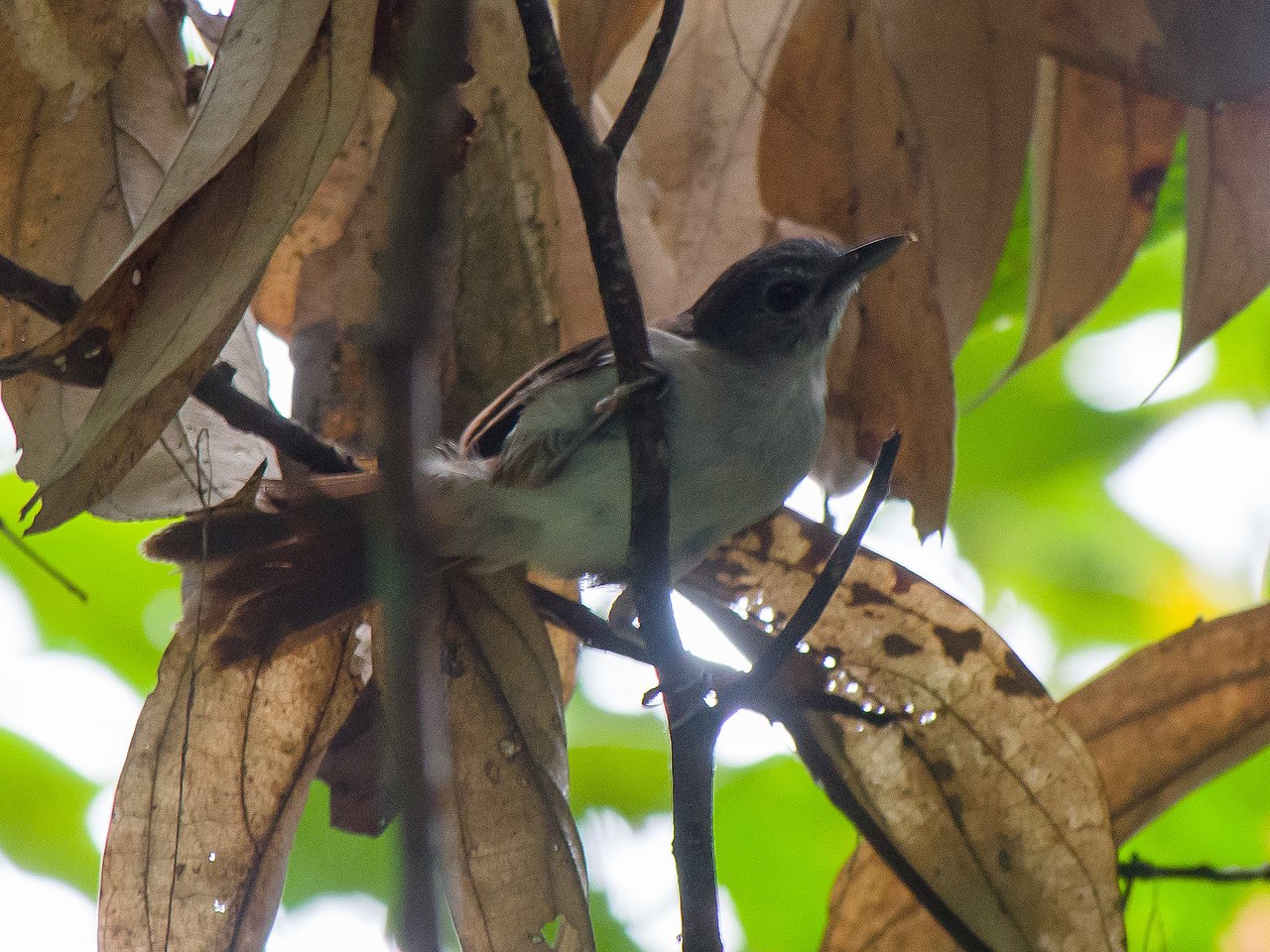
The sooty thrush is a large thrush endemic to the highlands of Costa Rica and western Panama. It was formerly known as the sooty robin.
Region
Central America
Typical Environment
Occurs in the highlands of Costa Rica and western Panama, chiefly in cloud forests, oak forests, and forest edges. It frequents open areas with scattered trees, pastures, gardens, and towns near montane forest. The species uses edges, clearings, and secondary growth, often descending to roadsides to feed. It also forages in fruiting trees and along mossy branches within the canopy. During inclement weather it may move slightly downslope but remains a highland bird overall.
Altitude Range
1800–3600 m
Climate Zone
Highland
Ease of Keeping
Beginner friendly: 1/5
The sooty thrush is a highland specialist of Costa Rica and western Panama, where it is often conspicuous around towns and pastures in the mountains. It was formerly known as the sooty robin. Bold yellow-orange bill and eye-ring make it easy to spot against misty cloud-forest backdrops. As an important frugivore, it helps disperse seeds of many montane plants.


Savegre Valley, Costa Rica

Tres de Junio, Costa Rica

Chirripó National Park, Costa Rica
Temperament
alert and fairly bold
Flight Pattern
short rapid wingbeats with low, direct flights between perches
Social Behavior
Typically territorial in the breeding season, nesting in cup-shaped nests placed in trees or on man-made structures. Outside of breeding, it often gathers loosely at fruiting trees and in open areas. Pairs are monogamous and defend small territories around nest sites.
Migratory Pattern
Resident
Song Description
Song is a series of clear, fluty phrases delivered from exposed perches, with pauses between stanzas. Calls include sharp tseet notes and harsher chucks when alarmed.
Plumage
Mostly uniform sooty brown to blackish plumage with a slightly paler brown belly; females can show faint mottling on the throat. Feathers appear matte rather than glossy, giving a dusky overall look.
Diet
Eats a mix of fruits, berries, and small invertebrates such as insects, spiders, and earthworms. Forages on the ground by hopping and flipping leaf litter, and also gleans in trees. Frequently visits fruiting shrubs and canopy trees and may take human-provided scraps around mountain towns.
Preferred Environment
Feeds along forest edges, in open pastures with scattered trees, gardens, and roadside embankments near montane forest. Also uses clearings and secondary growth where fruiting plants are abundant.