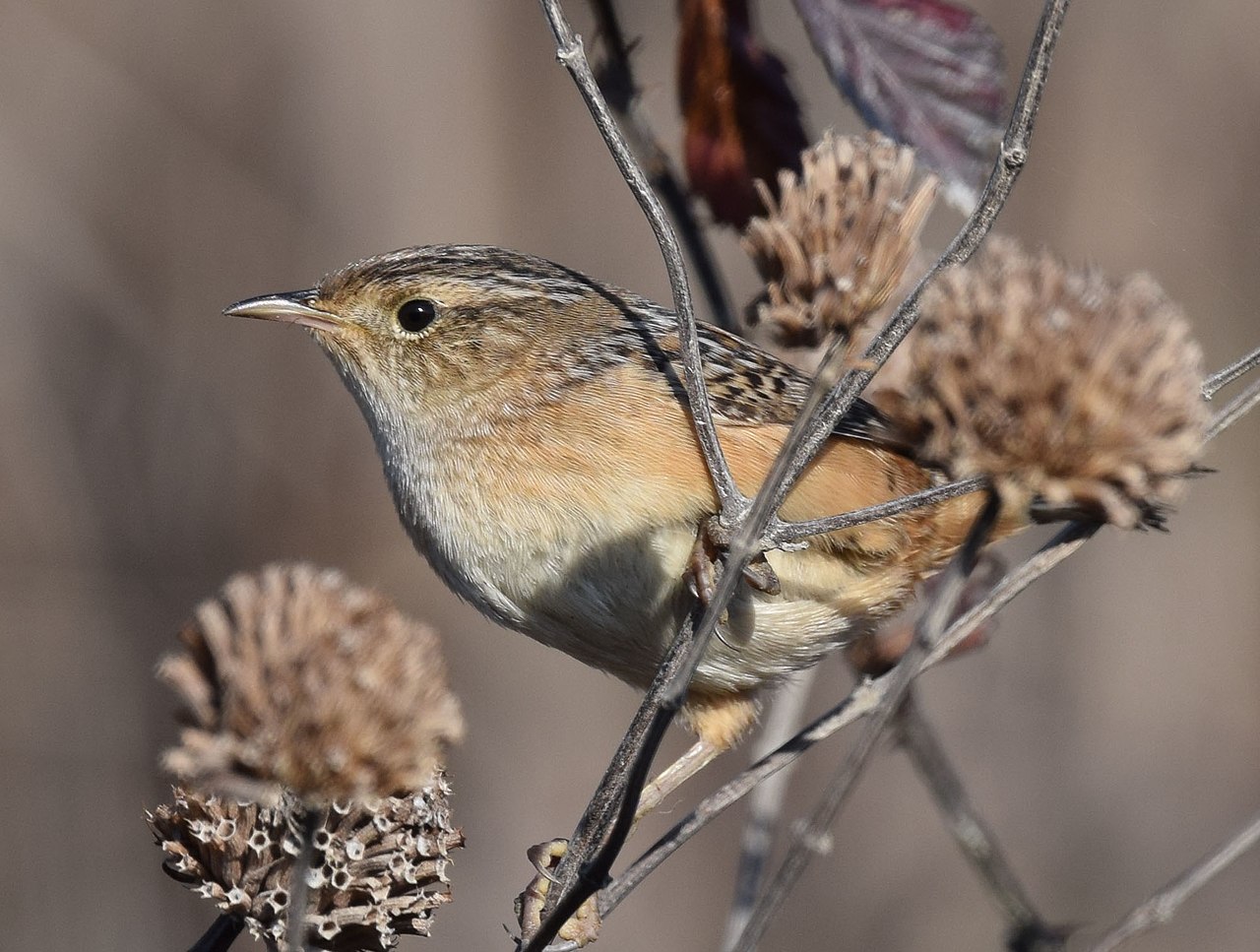
The scrubtit is a species of bird in the thornbill family Acanthizidae. It is endemic to Tasmania and King Island in Australia. Its natural habitat is the temperate rainforest, Nothofagus beech forest and eucalypt woodland. It is a small species that resembles the Sericornis scrubwrens.
Region
Tasmania and Bass Strait islands (Australia)
Typical Environment
Occurs in temperate rainforest, Nothofagus beech forest, wet eucalypt forest, and dense eucalypt woodland with thick understory. It favors sheltered gullies, tree-fern groves, and riparian scrub with abundant leaf litter and fallen logs. The species is highly dependent on dense ground and midstory cover, rarely venturing into open habitats. On King Island it persists in remnant wet forest and scrub patches. It is largely sedentary within suitable habitat throughout the year.
Altitude Range
Sea level to 1200 m
Climate Zone
Temperate
Ease of Keeping
Beginner friendly: 1/5
The Scrubtit is the sole member of its genus and is confined to Tasmania and nearby King Island. It keeps to dense undergrowth, making it more often heard than seen. It builds a domed, mossy nest low in vegetation, and pairs tend to remain on territories year-round. While the species is generally secure, the tiny King Island subspecies is of high conservation concern locally.

Temperament
skulking and secretive
Flight Pattern
short rapid wingbeats, low to the ground
Social Behavior
Usually found singly, in pairs, or small family groups within dense understory. Pairs hold territories year-round and build domed nests of moss, bark strips, and fibers low in shrubs or tree-ferns. May occasionally join mixed-species flocks with other small insectivores in cooler months.
Migratory Pattern
Resident
Song Description
Song consists of thin, high-pitched trills and tinkling notes delivered from concealed perches. Calls include soft contact chips and scolding rattles when disturbed.
Plumage
Olive-brown upperparts with a greyer head, whitish throat and upper breast lightly mottled or streaked, and warmer buff flanks. Underparts otherwise pale grey-buff; wings and tail are dusky with olive edging. Compact shape with a short tail and rounded wings; fine, pointed bill.
Diet
Primarily takes insects and other small arthropods, gleaned from leaves, twigs, bark, and ground litter. It probes among moss, ferns, and fallen branches, frequently picking spiders and small beetles. Occasional intake of small seeds or berries may occur but is minor.
Preferred Environment
Feeds within dense understory, tree-fern fronds, and along shaded creeklines. Often forages close to the ground or midstory where leaf litter and mossy logs concentrate prey.