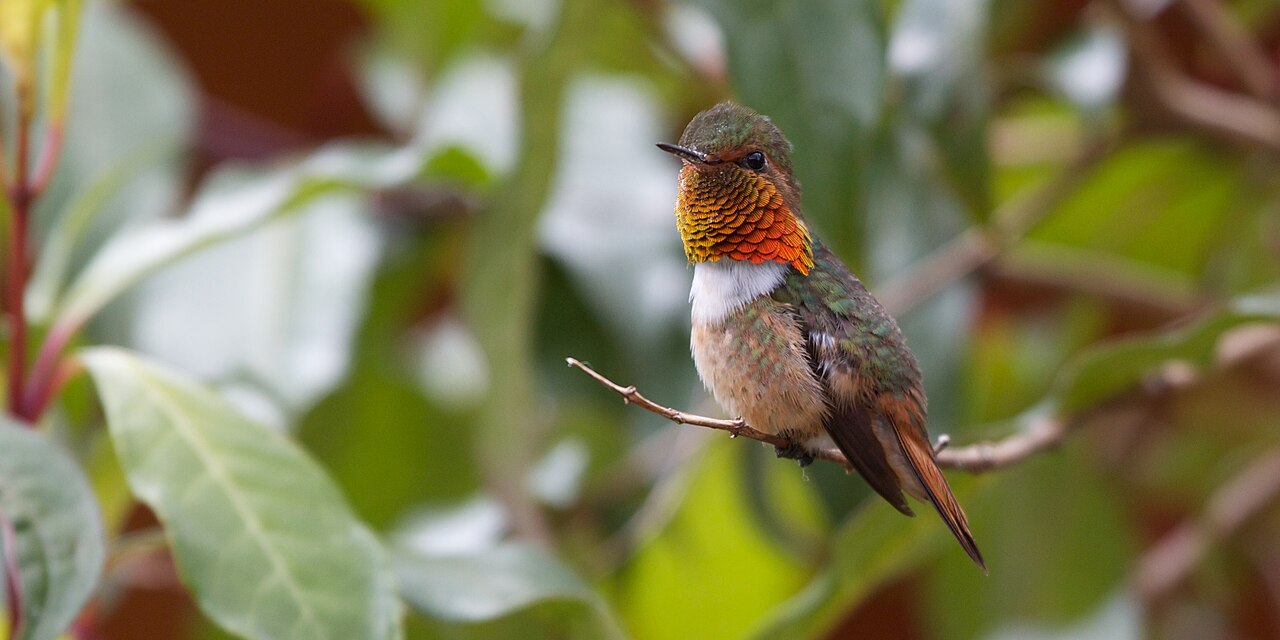
Schlegel's asity is a species of bird in the family Philepittidae. It is endemic to Madagascar. Its natural habitats are subtropical or tropical dry forest and subtropical or tropical moist lowland forest. It is considered vulnerable by habitat loss.
Region
Madagascar
Typical Environment
Endemic to northwestern and western Madagascar, especially within the Sambirano domain. Occupies a mosaic of dry deciduous forest and humid evergreen lowland forest, including secondary growth and forest edges. Prefers areas with abundant fruiting trees and dense foliage for cover. Often occurs from lowlands into foothills where suitable forest remains.
Altitude Range
Sea level to 900 m
Climate Zone
Tropical
Ease of Keeping
Beginner friendly: 1/5
Males develop a striking turquoise-green fleshy orbital wattle during the breeding season, which contrasts with their bright yellow body. Schlegel's asity is an important seed disperser in Madagascar’s lowland forests due to its largely frugivorous diet. It is threatened primarily by habitat loss and fragmentation of dry and moist lowland forests.

Temperament
secretive in dense foliage, active when foraging
Flight Pattern
short rapid wingbeats
Social Behavior
Usually solitary or found in pairs, sometimes loosely associating with mixed-species flocks at fruiting trees. During breeding, males display at favored sites to attract females. The female builds a suspended, domed nest from plant fibers and provides most parental care.
Migratory Pattern
Resident
Song Description
Soft, thin whistles and high-pitched seep notes given from within cover. Vocalizations are modest in volume and often interspersed with quiet contact calls while foraging.
Plumage
Male bright golden-yellow with contrasting blackish wings and tail; female olive-green with paler, slightly yellowish underparts. Both sexes have a short, broad bill and a fleshy orbital wattle that is most prominent and vividly colored in breeding males.
Diet
Primarily consumes soft fruits and berries, swallowing small fruits whole and aiding seed dispersal. Will opportunistically take small arthropods gleaned from foliage and occasionally sample nectar. Foraging is deliberate, moving through the understory and mid-canopy to visit fruiting trees.
Preferred Environment
Feeds within intact and secondary lowland forests, especially at forest edges and along fruit-rich gaps. Frequently visits clustered fruiting trees and lianas and may join mixed-species flocks when resources are abundant.