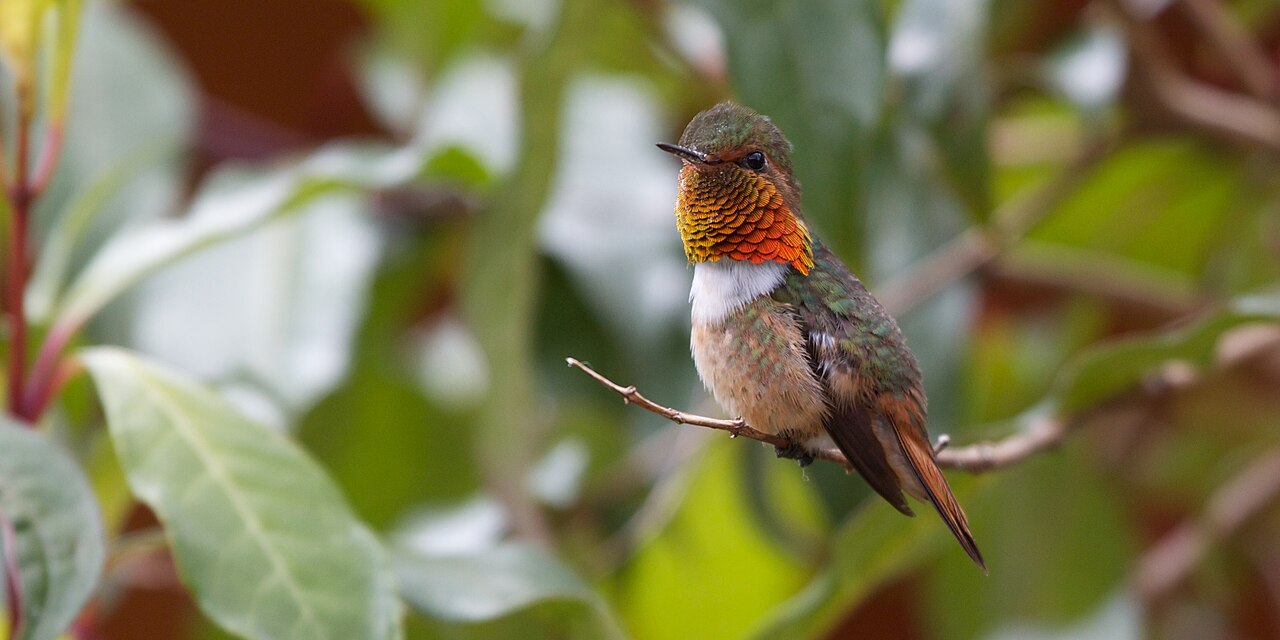
The scimitar-billed woodcreeper is a species of bird in the subfamily Dendrocolaptinae of the ovenbird family Furnariidae. It is found in Argentina, Bolivia, Brazil, Paraguay, and Uruguay.
Region
Gran Chaco and adjacent regions of south-central South America
Typical Environment
Occurs across the dry and semi-arid Chaco of Argentina, Bolivia, Paraguay, and into Uruguay and southern Brazil. It inhabits open to semi-open woodlands, thorn forests, savannas with scattered trees, palm savannas, and ranchlands with remnant trees. Often found along forest edges, gallery woods, and in areas with fallen logs and fence posts. More common in lightly disturbed landscapes than in dense, closed-canopy forests.
Altitude Range
0–1200 m
Climate Zone
Subtropical
Ease of Keeping
Beginner friendly: 1/5
Unusual for a woodcreeper, it often forages on or near the ground, using its long, decurved “scimitar” bill to probe bark crevices, leaf litter, and termite mounds. It favors open woodlands and thorny scrub rather than dense rainforest. Its loud, whistled, descending call carries far across the Chaco. By consuming insects and other small invertebrates, it helps control pest populations.


Temperament
solitary and territorial
Flight Pattern
short rapid wingbeats between perches
Social Behavior
Usually seen alone or in pairs, moving methodically from trunk to ground while foraging. Likely monogamous, nesting in natural cavities, old woodpecker holes, or sometimes in man-made posts. Both adults participate in nest defense and feeding young.
Migratory Pattern
Resident
Song Description
Gives a clear, ringing series of whistled notes that often descend in pitch and slow toward the end. Calls are penetrating and carry over long distances, especially at dawn and dusk.
Plumage
Mostly warm rufous-brown with slightly paler, faintly streaked throat and breast; tail rufous and fairly long.
Diet
Feeds primarily on insects such as beetles, ants, and termites, as well as spiders and other arthropods. Occasionally takes small vertebrates like lizards or frogs. Uses its long decurved bill to probe bark crevices, rotting wood, leaf litter, and termite mounds.
Preferred Environment
Forages on tree trunks, fallen logs, fence posts, and frequently on the ground in open woodlands and thorn scrub. Often uses edge habitats and lightly grazed areas where ground cover and woody debris are available.