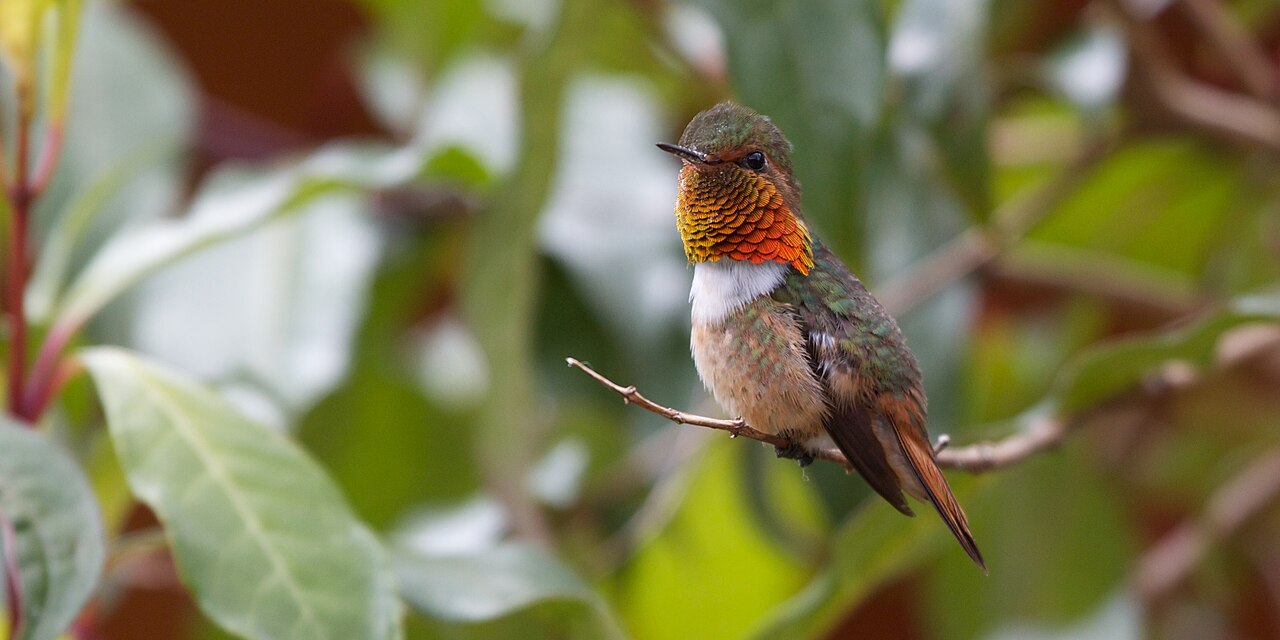
The scimitar-winged piha is a Vulnerable species of bird in the family Cotingidae, the cotingas. It is found in Bolivia and Peru.
Region
Andean Yungas (Peru and Bolivia)
Typical Environment
Occurs in humid montane forests on the east slope of the central Andes in southeastern Peru and western/central Bolivia. It favors mature cloud forest with abundant fruiting trees, often near ridges, steep slopes, and along forest edges and gaps. The species primarily uses the mid-story to canopy and is sensitive to heavy forest fragmentation. Records are scattered and local, reflecting its naturally low density and secretive habits.
Altitude Range
1200–2400 m
Climate Zone
Highland
Ease of Keeping
Beginner friendly: 1/5
A shy cotinga of humid Andean cloud forests, the scimitar-winged piha is best detected by its simple whistles and the distinctive whooshing sound made by its curved primaries during display flights. It is primarily a canopy frugivore and an important seed disperser. Ongoing habitat loss within the Yungas has led to its global assessment as Vulnerable.


Temperament
solitary and unobtrusive
Flight Pattern
short direct flights with rapid wingbeats; display flights produce distinctive wing whooshes
Social Behavior
Usually solitary or in pairs in the canopy. Males display from traditional perches and may form loose leks or dispersed display sites. Nesting is poorly known, but as in other pihas, the female likely builds a small open cup and performs most parental care.
Migratory Pattern
Resident
Song Description
Vocalizations are simple, clear whistles delivered from high perches, less explosive than the Screaming Piha. During displays, mechanical wing sounds—soft swishes or whooshes—are often heard.
Plumage
Mostly uniform dusky to slate-grey with slightly darker wings and tail; subtly paler throat and belly. Plumage lacks bold patterning, giving a smooth, even-toned appearance.
Diet
Primarily consumes a variety of forest fruits, swallowing them whole and later dispersing seeds. It favors fruiting trees and vines typical of humid montane forests, including lauraceous and melastome species. It occasionally supplements its diet with insects, gleaned from foliage or snatched in short sallies.
Preferred Environment
Feeds mainly in the mid-story to canopy at fruiting trees along forest edges, gaps, and ridgelines. It may descend slightly lower at forest borders but remains tied to intact humid forest.