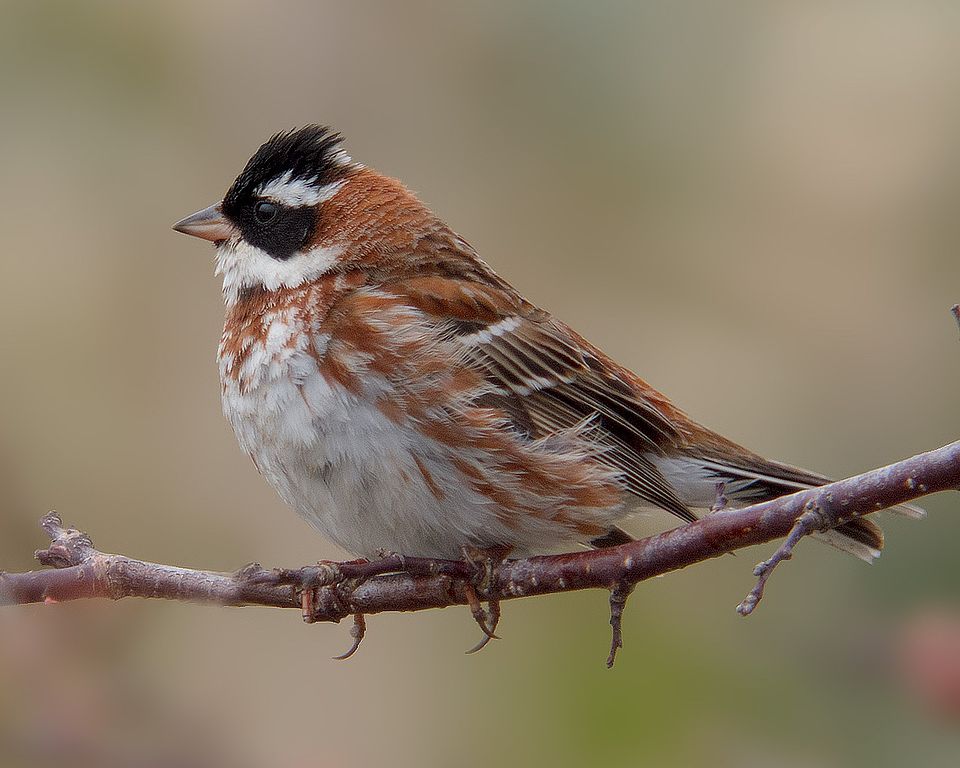
The rustic bunting is a passerine bird in the bunting family Emberizidae, a group now separated by most modern authors from the finches, Fringillidae. The genus name Emberiza is from Old German Embritz, a bunting. The specific rustica is Latin for "rustic, simple".
Region
Northern Eurasia
Typical Environment
Breeds in damp coniferous and mixed taiga from Fennoscandia across northern Russia to the Russian Far East. Prefers forest edges, clearings, willow and birch thickets, and boggy or riverine scrub with dense ground cover. In winter it occurs mainly in East Asia, including northeast China, Korea, and Japan, using secondary woodland, thickets, farmland edges, and reed-fringed wetlands. It is a scarce migrant or vagrant further west and south during passage.
Altitude Range
Sea level to 1800 m
Climate Zone
Continental
Ease of Keeping
Beginner friendly: 1/5
The rustic bunting is a small Palearctic bunting that breeds across the northern taiga and migrates to East Asia in winter. Breeding males show a striking black-and-white face pattern with a chestnut nape and bold wing bars, while females are browner and more heavily streaked. The species has declined rapidly in recent decades, with trapping and habitat loss in parts of its wintering range implicated.


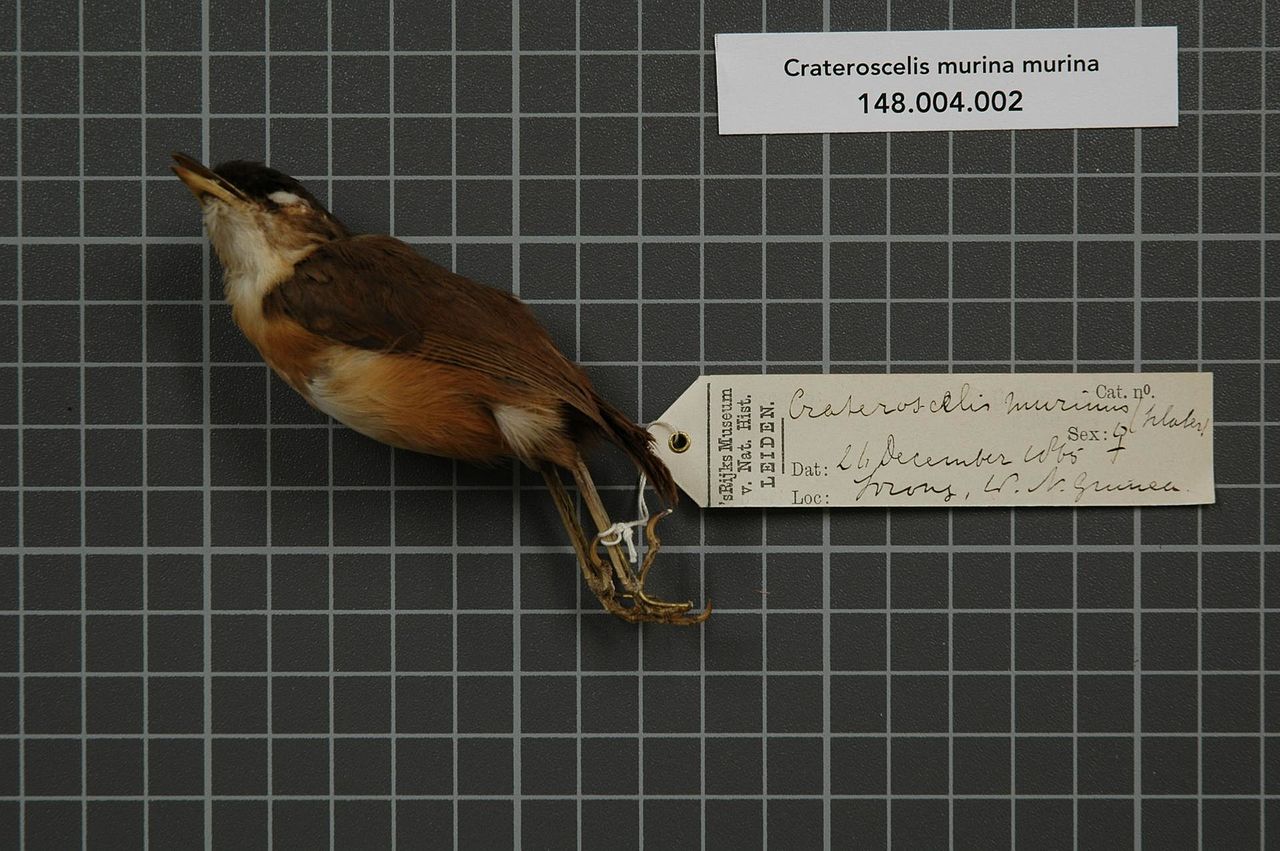
Emberiza rustica MHNT
Temperament
wary and somewhat secretive
Flight Pattern
short rapid wingbeats with bounding flight; low, darting hops between cover
Social Behavior
Breeds in loose territories; nests are placed low on or near the ground in dense vegetation. Outside the breeding season it forms small to medium-sized flocks, often mixing with other buntings. Pairs are monogamous during the breeding season and both adults attend the young.
Migratory Pattern
Seasonal migrant
Song Description
Song is a short, tinkling series of simple, slightly melancholic notes delivered from low perches at forest edges. Calls include a sharp tik or tsip and a thin seep, often given in flight.
Plumage
Breeding male with black head and face, bold white supercilium and moustachial stripe, white throat and collar, chestnut nape, and brown streaked upperparts; underparts mostly whitish with streaked flanks. Two clear white wing bars and white outer tail feathers are evident in flight. Females and non-breeding birds are duller, buff-toned and heavily streaked with a more subdued face pattern.
Diet
Seeds of grasses and weeds form the bulk of the diet outside the breeding season. During spring and summer it adds a high proportion of insects and other invertebrates, including beetles, caterpillars, and spiders, to feed nestlings and meet higher protein needs. It will also take small berries when available.
Preferred Environment
Forages mostly on the ground or low in vegetation at forest margins, clearings, and wet thickets. In winter it often feeds in stubble fields, weedy edges, and shrubby margins near water.