

The rufous-winged sparrow is a medium-small, long-tailed New World sparrow with a gray face and rusty crown and supercilium; the rufous lesser coverts of the wing for which it is named are often concealed.
Region
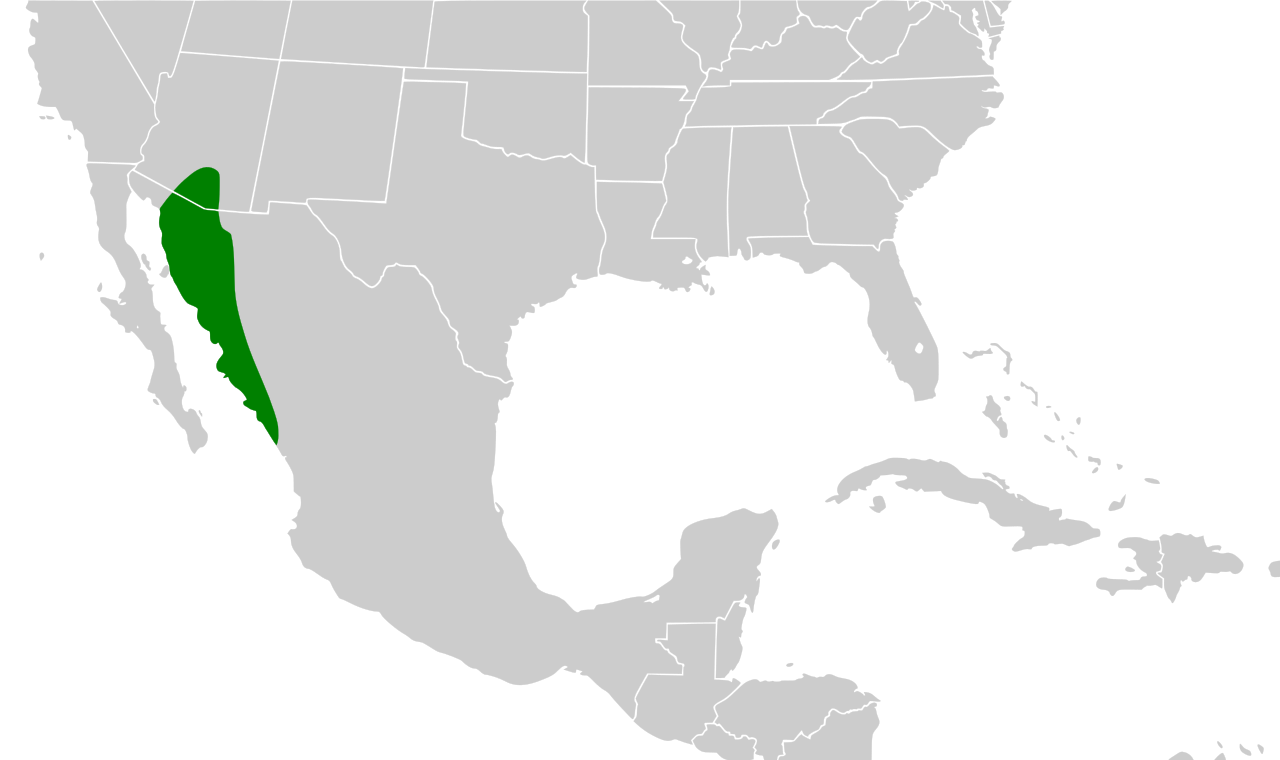
Sonoran Desert
Typical Environment
Occurs in southern Arizona and northern Sonora, Mexico, favoring open desert grasslands and thornscrub with scattered mesquite and acacia. It is common along xeroriparian washes, in mesquite bosques, and on gently rolling desert flats with cholla and prickly pear. The species tolerates some suburban desert landscaping where native shrubs and grasses persist. Breeding often coincides with summer rains when insect prey increases.
Altitude Range
300–1200 m
Climate Zone
Arid
Ease of Keeping
Beginner friendly: 2/5
This Sonoran Desert specialist was once nearly extirpated around Tucson due to overgrazing but rebounded as native vegetation recovered. Its signature rufous lesser wing coverts are often hidden, so the rusty crown and eyebrow and gray face are key field marks. Males frequently sing after summer monsoon rains from mesquite or cholla perches.


Rufous-winged sparrow in Pima County
Temperament
secretive but active, often in pairs
Flight Pattern
short rapid wingbeats, low and bounding
Social Behavior
Typically forms territorial pairs during the breeding season and small loose groups in the nonbreeding period. Nests are cup-shaped and placed low in shrubs or cactus, often mesquite or cholla. Clutch size is usually 3–4 eggs, and breeding activity peaks following summer rains.
Migratory Pattern
Resident
Song Description
A bright, tinkling series of clear notes that accelerates and may end in a short trill. Calls include sharp chips and thin tseet notes given from low perches or while foraging.
Plumage
Warm-brown, finely streaked upperparts with a gray face; rufous crown and supercilium; long brown tail; pale gray underparts with a faint buff wash. Rufous lesser wing coverts form a hidden patch that is sometimes visible when the wing is raised.
Diet
Eats grass and forb seeds for much of the year, switching to more insects during breeding. Feeds on beetles, grasshoppers, caterpillars, and other small invertebrates, especially for nestlings. Also takes fresh green shoots and occasional small berries when available.
Preferred Environment
Forages on or near the ground in open desert with scattered shrubs, along washes, and at the edges of mesquite bosques. Often searches under low cover and at the base of cacti or shrubs where seed and insects accumulate.


