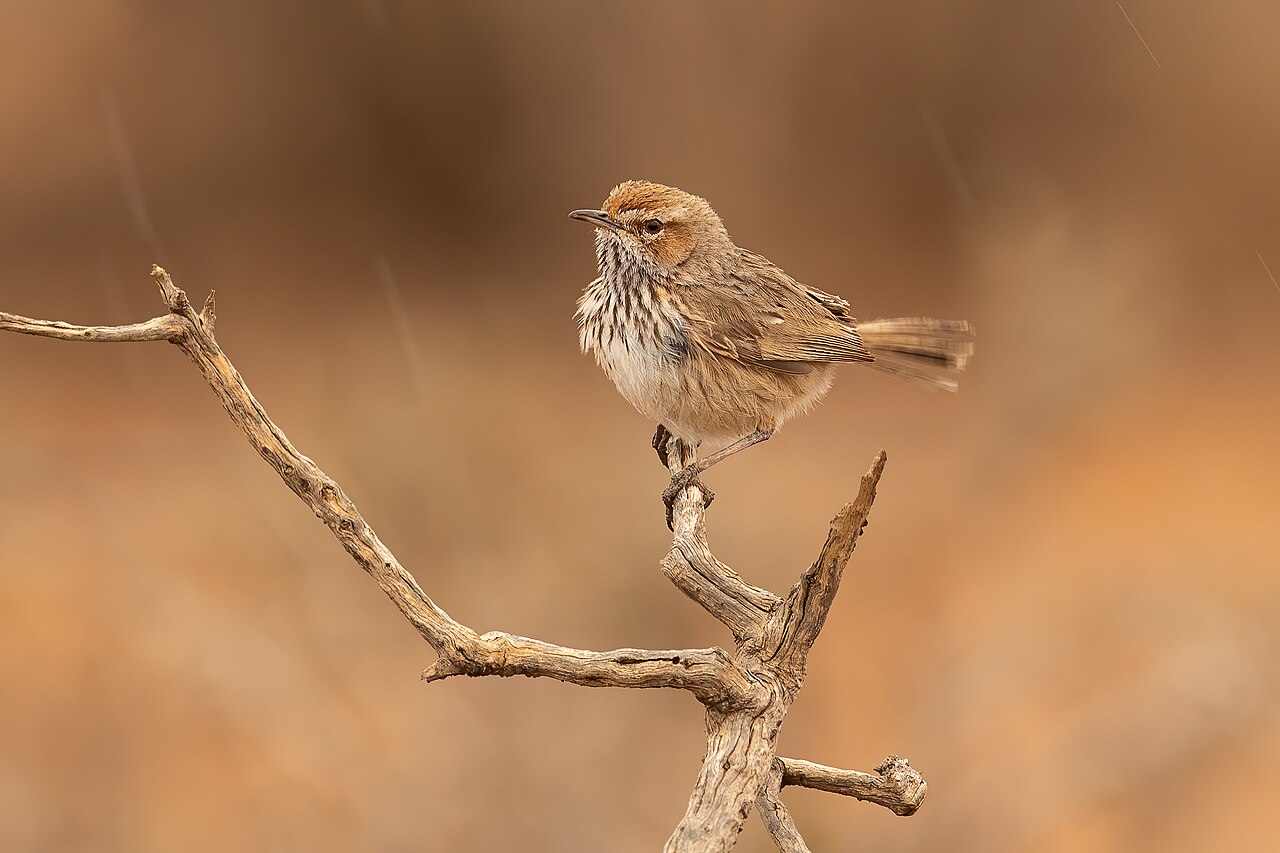
The rufous crab hawk or rufous crab-hawk, is a Near Threatened species of bird of prey in subfamily Accipitrinae, the "true" hawks, of family Accipitridae. It is found on Trinidad and along the South American coastline from eastern Venezuela to southern Brazil.
Region
Northern Atlantic coast of South America and Trinidad
Typical Environment
Occurs along coastal margins from eastern Venezuela through Guyana, Suriname, French Guiana, and northeastern to southeastern Brazil, and on Trinidad. It is tightly associated with mangrove forests, tidal estuaries, river mouths, and coastal lagoons. The species perches along creek edges and mudflats, foraging where crabs are abundant. It rarely ventures far inland, remaining close to brackish or saline waters.
Altitude Range
Sea level to 200 m
Climate Zone
Tropical
Ease of Keeping
Beginner friendly: 1/5
A mangrove specialist, the rufous crab hawk feeds largely on crabs taken along tidal creeks and mudflats. It often waits on exposed perches and times its hunts with low tide, deftly removing crab claws before eating. Because it depends on healthy coastal wetlands, it is considered an indicator of mangrove ecosystem integrity.


Temperament
solitary and territorial
Flight Pattern
soaring glider with broad wings; short rapid flaps interspersed with glides
Social Behavior
Usually seen singly or in pairs defending linear stretches of mangrove-lined shore. Pairs build stick nests in mangrove trees and typically raise one chick. Courtship includes aerial displays and calling over territories.
Migratory Pattern
Resident
Song Description
Gives clear, whistled notes and plaintive mewing calls, often delivered from exposed perches. Vocal activity increases during breeding and territorial interactions.
Plumage
Slate-gray to dark brown upperparts with rich rufous underparts and thighs; broad wings and relatively short tail. Tail typically dark with a conspicuous broad white band. Plumage appears clean and unbarred below in adults, with a contrasting dark head and mantle.
Diet
Specializes on semi-terrestrial and intertidal crabs, which it captures along mudflats and creek margins. It may occasionally take other crustaceans, small fish, or amphibians, but crabs dominate the diet. Prey is subdued on the ground or a perch; the hawk often removes claws and carapace pieces before swallowing.
Preferred Environment
Forages along mangrove edges, tidal creeks, sandbars, and estuarine mudflats, particularly at low tide when crabs are exposed. Often hunts from a low perch, dropping down to seize prey or stalking along shorelines.