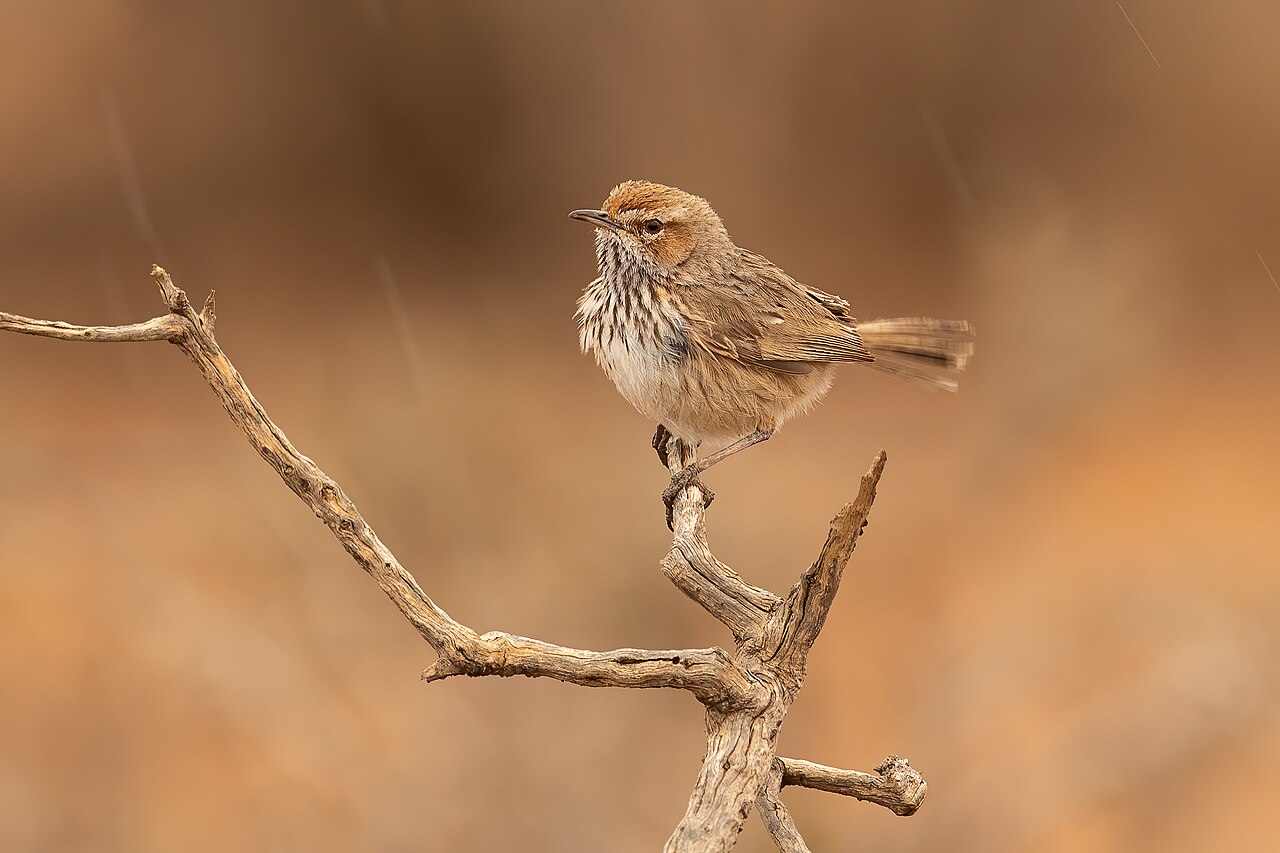
The rufous casiornis is a species of bird in the family Tyrannidae, the tyrant flycatchers. It is found in Argentina, Bolivia, Brazil, Paraguay, Peru, Uruguay, and as a vagrant to Chile.
Region
South America
Typical Environment
Occurs widely from eastern Bolivia and Peru through much of Brazil into Paraguay, Uruguay, and northern Argentina, with occasional vagrants to Chile. It inhabits dry to semi-humid woodlands, gallery forests, savanna with scattered trees, and thorn scrub such as the Caatinga and Chaco margins. Often found at forest edges, second growth, and along riparian corridors. Tolerates a mosaic of open and wooded patches and can persist in moderately altered landscapes.
Altitude Range
0–1500 m
Climate Zone
Tropical
Ease of Keeping
Beginner friendly: 1/5
A discreet tyrant flycatcher of dry woodlands and savannas, the rufous casiornis perches quietly and sallies out to catch insects. It often favors semi-open habitats such as the Cerrado and Caatinga, adapting well to edges and lightly disturbed areas. Its simple, whistled song carries surprisingly far at dawn and dusk.


Temperament
solitary and unobtrusive
Flight Pattern
short rapid wingbeats between perches; quick sallies to snatch prey
Social Behavior
Usually seen alone or in pairs, maintaining small territories within suitable woodlands. Pairs likely form during the breeding season, with a simple cup nest placed in a fork or dense shrub. Both adults typically participate in caring for the young. Outside breeding, it remains quiet and secretive, moving methodically through midstory perches.
Migratory Pattern
Resident
Song Description
Delivers a short series of clear, whistled notes, often repeated with pauses. Calls include soft chips and thin whistles given from exposed perches at dawn and dusk.
Plumage
Overall warm rufous-brown with slightly paler, cinnamon underparts and a faintly paler throat; wings and tail richer rufous with subtle dusky edging.
Diet
Feeds primarily on insects such as beetles, ants, wasps, and caterpillars. Captures prey by sallying from a perch and by gleaning from leaves and branches. Will occasionally take small berries when insects are scarce. Foraging is deliberate, with frequent pauses between short flights.
Preferred Environment
Hunts along woodland edges, in open woodlands, and among scattered trees in savanna and thorn scrub. Often uses midstory perches near clearings and along streamside corridors. May venture into second-growth thickets and lightly disturbed habitats.