The Rodrigues parrot or Leguat's parrot is an extinct species of parrot that was endemic to the Mascarene island of Rodrigues. The species is known from subfossil bones and from mentions in contemporary accounts. It is unclear to which other species it is most closely related, but it is classified as a member of the tribe Psittaculini, along with other Mascarene parrots. The Rodrigues parrot bore similarities to the broad-billed parrot of Mauritius, and may have been related. Two additional species have been assigned to its genus, based on descriptions of parrots from the other Mascarene islands, but their identities and validity have been debated.
Region
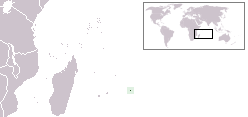
Mascarene Islands, western Indian Ocean
Typical Environment
Confined to Rodrigues, it would have inhabited the island’s native dry forests, coastal woodlands, and wooded valleys. Contemporary accounts suggest parrots were common in forested areas before extensive clearing. It likely used mature forest for nesting and feeding, relying on fruiting trees and palms. As forests were reduced and fragmented, its available habitat shrank rapidly.
Altitude Range
Sea level to 400 m
Climate Zone
Tropical
Ease of Keeping
Beginner friendly: 1/5
Also called Leguat’s parrot, this species was endemic to Rodrigues in the Mascarene Islands and is known from subfossil bones and a few historical accounts. It likely had a very robust bill adapted to cracking hard seeds and fruits, similar to other Mascarene parrots. The species went extinct after human settlement due to habitat loss, hunting, and introduced predators. Its exact coloration and many aspects of its ecology remain uncertain.


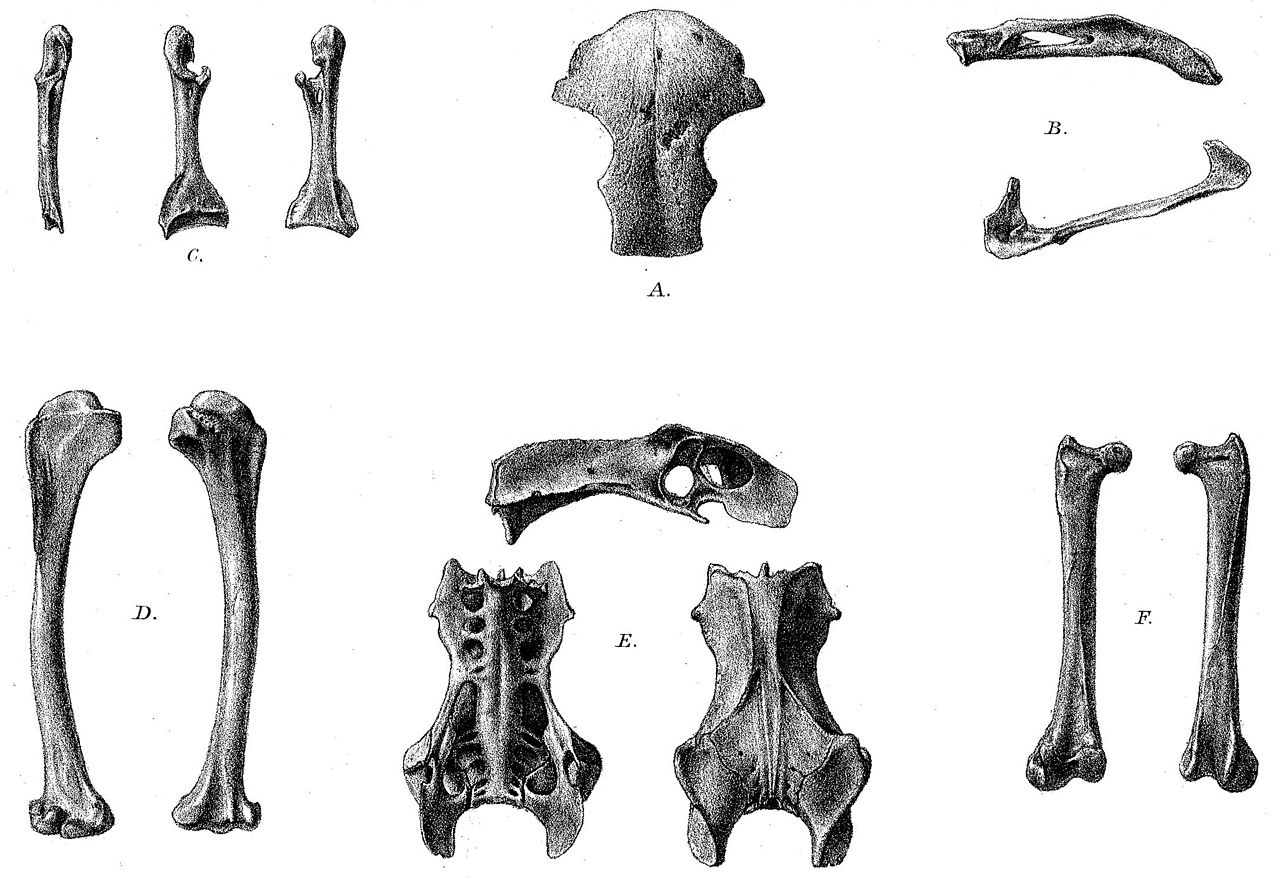
Holotype upper beak, 1867

Assigned beak, 1873
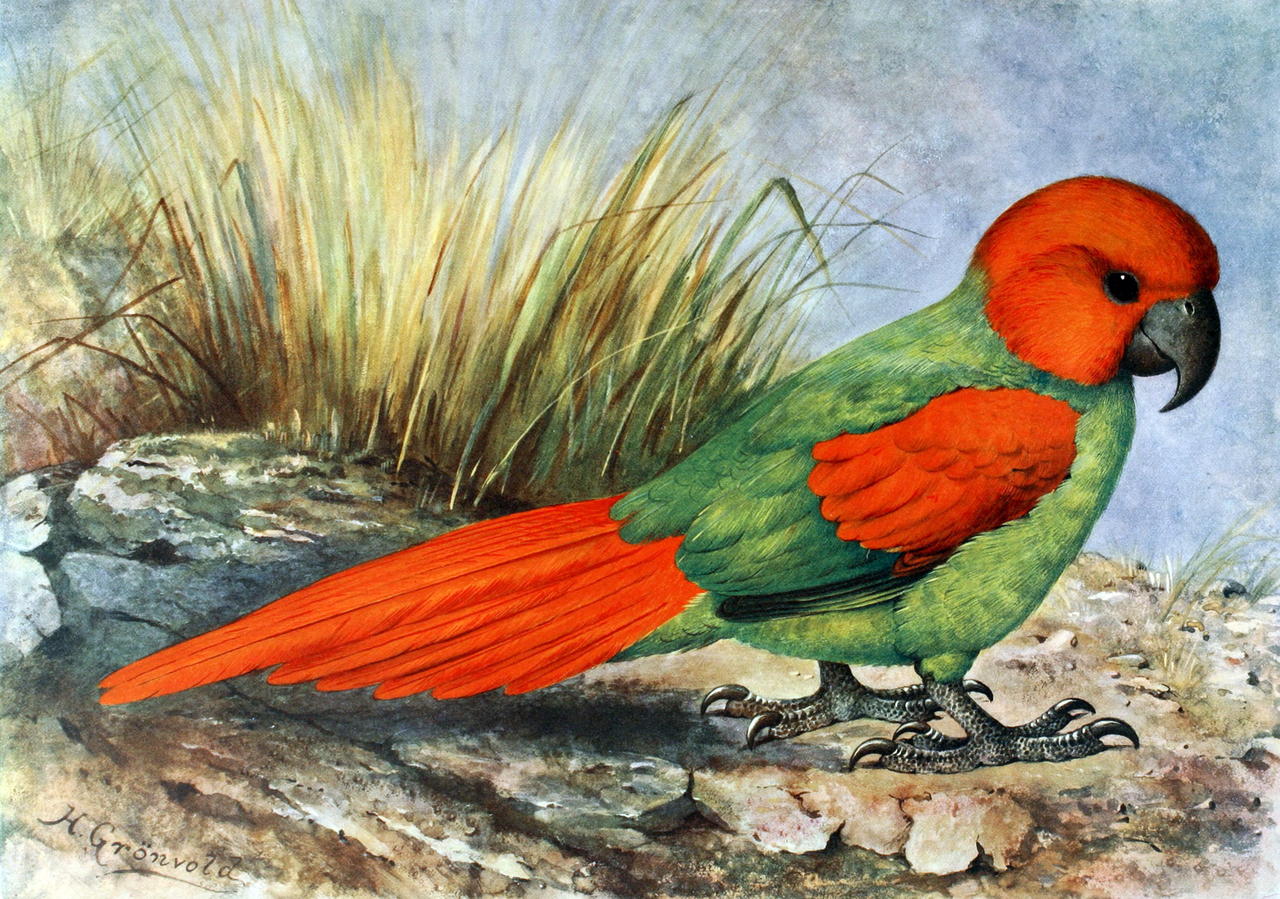
1907 illustration by Henrik Grönvold, showing the colouration of the hypothetical species N. borbonicus combined with the body-plan of the Rodrigues parrot

Life restoration of two Rodrigues parrots

The Rodrigues parrot may have resembled the great-billed parrot


Temperament
likely social and wary, with some tolerance around humans before heavy hunting
Flight Pattern
direct flight with strong, steady wingbeats
Social Behavior
Probably occurred in pairs or small groups, as with many island parrots. Nesting was likely in tree cavities in mature forest. Historical notes imply parrots on Rodrigues were once abundant before rapid decline.
Migratory Pattern
Resident
Song Description
Calls were likely loud, harsh squawks typical of large parrots, carrying over forested valleys. No detailed descriptions of its vocalizations were recorded.
Plumage
unknown (species known primarily from subfossil remains; plumage likely plain and island-adapted).
Diet
Likely fed on fruits, seeds, and nuts of native trees and palms, using its powerful bill to crack hard-shelled items. It may have supplemented its diet with buds and flowers when fruit was scarce. As forests were cleared, key food sources would have diminished, contributing to its decline.
Preferred Environment
Foraged in canopy and mid-story of intact dry forest and wooded ravines. It probably visited forest edges and fruiting trees seasonally.